Kenya confirms first Ebola case after traveller dies in Nairobi
Kenya reported its first Ebola death on 6 October 2026 after a citizen who lived seven years in DR Congo flew from Kampala to Nairobi on 3 October and tested positive for the Bundibugyo strain.
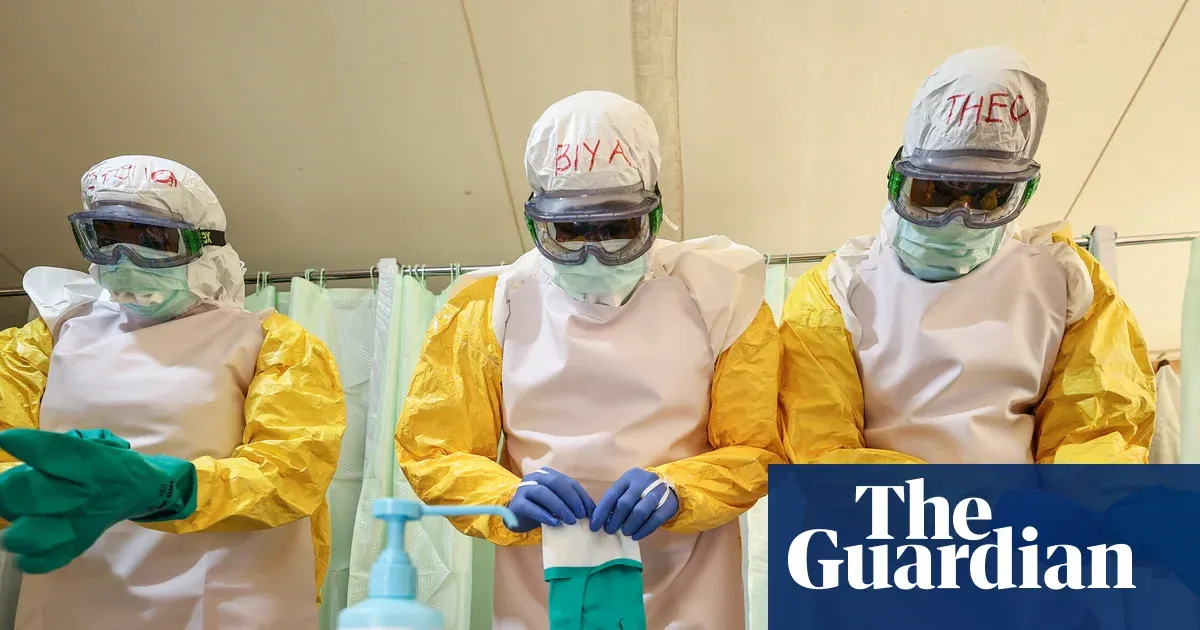 Photo: The Guardian
Key points
Kenya confirmed its first imported Ebola case on 6 October 2026 after a citizen who had lived in DR Congo died in Nairobi, with 28 contacts identified.
Kenya reported its first Ebola death on 6 October 2026, after a Kenyan citizen who had been living in the Democratic Republic of Congo died at Nairobi Hospital, Health Minister Aden Duale told reporters. Duale said 28 contacts had been identified, including family members and healthcare workers, and the man had flown from Kampala to Nairobi on 3 October.
The case matters because Kenya had never previously reported Ebola, while the disease spreads through direct contact with bodily fluids of infected people, living or dead. The patient carried the Bundibugyo strain, for which there is no approved vaccine or specific treatment, according to the World Health Organization. Duale said authorities had prepared quarantine arrangements for those at risk and urged the public not to panic.
What the case changes
The patient had been living in the Democratic Republic of Congo for seven years and fell ill about a month before travelling, Duale said. He was treated in Congo, then travelled overland to Kampala, Uganda's capital, before boarding Jambojet flight JM8523 from Entebbe to Nairobi on 3 October, according to Capital FM. He passed through airport screening and was taken by a relative to Nairobi Hospital.
How the traveller moved
Health ministry Director General Patrick Amoth said the patient may have passed through airport screening because medication had masked his symptoms. At Nairobi Hospital, he was isolated with fever, chills, bleeding beneath the skin and other symptoms, then tested positive at both the National Virology Reference Laboratory and KEMRI. He died late on Monday, Duale said, and a burial was planned for Tuesday under protocols to prevent further spread.
Duale said officials had listed 28 contacts of the deceased, including family members and healthcare workers, and that only one test had turned positive so far. Authorities were also searching for another 23 passengers and four crew members who were on the same flight. Kenya has screened 652,584 travellers and tested 267 samples since heightened surveillance began in May, with only this case turning positive as of 6 October.
Where the contacts stand
Ebola spreads through direct contact with blood or other bodily fluids of an infected person or contaminated surfaces. It does not spread from an infected person who has not yet developed symptoms, so sharing an aircraft alone does not mean a passenger was infected. The World Health Organization puts Ebola's incubation period at 2 to 21 days, and exposed contacts are monitored for 21 days from their last exposure.
The outbreak in Congo was declared in mid-May and is the country's 17th Ebola outbreak. As of 2 October, 4,082 people had died out of 8,463 confirmed cases since the Bundibugyo strain emerged. The outbreak has spread to seven provinces in the country's north and east after starting in Ituri province. Kenya is the third country to record a case linked to this epidemic.
Why North Kivu is surging
Médecins Sans Frontières warned on 5 October of an alarming surge in eastern North Kivu province, which borders Uganda. The province now accounts for 40% of all new Ebola cases, compared with 24% at the end of August. The wider Butembo health zone, home to around 2 million people, has only four Ebola treatment centres, two of which opened recently.
Stephanie Hoffmann, coordinator at the charity's Ebola treatment centre in Butembo, said confirmed patients were sometimes referred elsewhere because of a shortage of beds. North Kivu recorded 134 violent incidents in the past month, more than any other province, according to Armed Conflict Location and Event Data. Response has been hindered by instability, mistrust of authorities and cuts in international aid.
Neighbouring Uganda recorded 20 cases and two deaths earlier in the year, almost all in people who had travelled from the Democratic Republic of Congo, before being declared Ebola-free in August. Kenya's next step is to trace the remaining 23 passengers and four crew members on the flight, monitor identified contacts for 21 days, and isolate anyone who develops symptoms.
Frequently asked questions
How did the Ebola case reach Kenya?
A Kenyan man who had lived in DR Congo for seven years fell ill, travelled by road to Kampala, then flew from Entebbe to Nairobi on Jambojet flight JM8523 on 3 October, according to Capital FM.
How many contacts are health authorities tracing?
Health Minister Aden Duale said 28 contacts were identified, including family members and healthcare workers, with one test positive so far. Authorities are also tracing 23 passengers and four crew members from the same flight.
Is there a vaccine for this Ebola strain?
No. The outbreak is caused by the Bundibugyo strain, for which the World Health Organization says there is currently no approved vaccine or specific treatment.
How this story was checked
- Fact-checked against 3 cited pages. 41 figures, dates and quotations in this story were found on the pages it cites; 1 passage that could not be checked was cut before publication.
- Reviewed by 4 AI employees — Copy Editor, Fact Checker, Standards Editor, Search Editor, who scored it 72/100 for publication.
Pages checked (3 of 3)
- theguardian.comread and checked
- dailymaverick.co.zaread and checked
- allafrica.comread and checked
Written by Kaer from public reporting. Checked 6 October 2026.


