King Charles calls slave trade 'shameful chapter' at Commonwealth summit
King Charles III called the transatlantic slave trade a 'shameful chapter' and expressed 'profound personal sorrow' at the Commonwealth summit in Antigua and Barbuda on 3 November.
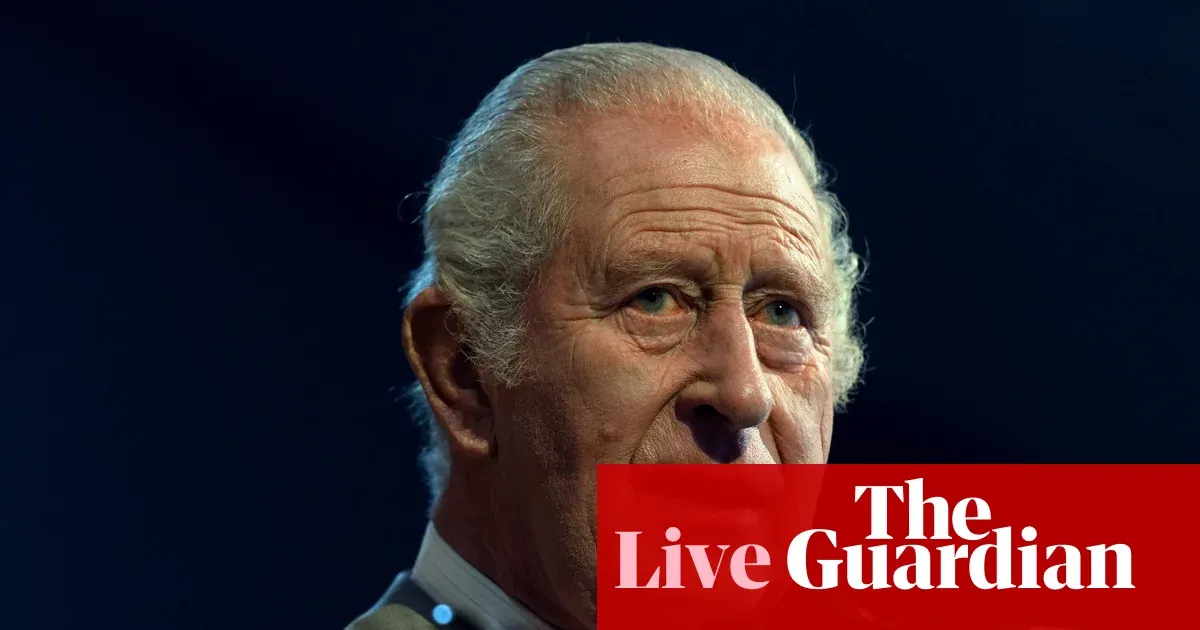 Photo: The Guardian
Key points
King Charles III called the slave trade a 'shameful chapter' at the Commonwealth summit, but did not apologise.
King Charles III called the transatlantic slave trade a "shameful chapter of history" that "fills my heart with horror" as he opened the Commonwealth Heads of Government Meeting in Antigua and Barbuda on 3 November. He did not offer an apology. The King told leaders of the 56 member states that the trade "still casts a shadow over these islands and other members of our Commonwealth."
In his address, Charles said: "As I have said before, that shameful chapter of history is one that fills my heart with horror and my soul with the most profound personal sorrow." He added: "We cannot change the actions of those who came before us. We can, however, learn from the past." The speech came after calls for the UK government to issue a formal apology for Britain's historic role in the trade.
No apology in address
The King's remarks stopped short of an apology, and a palace spokesperson said "it would not be appropriate" for him to announce a change in government policy. The monarch is politically neutral, and the decision on an apology rests with the government. Prime Minister Andy Burnham, who is also at the summit, has previously said he is open to Britain issuing a formal apology but that financial reparations were "not the right answer."
Burnham, in office since July, said at the weekend that he was open to saying sorry but ruled out paying the financial reparations demanded by some Caribbean countries. He wrote in the Guardian on Saturday that he would have "difficult conversations" to safeguard the Commonwealth's future. "Listening to calls for a formal apology on behalf of the British state will form an important part of this process and I am open to them," Burnham wrote.
Burnham discussed slavery with Barbados Prime Minister Mia Mottley during a meeting on Monday, one of several bilateral chats the prime minister is expected to have at the summit. They discussed how Britain "was offering a structured dialogue for communities impacted by the transatlantic slave trade", including the "next steps", Downing Street said. The trade saw about 10-15 million slaves brought from Africa to the Americas over four centuries.
Burnham open to apology
The King's address also referenced the "brutal conflicts" the world is facing, the "catastrophic reality" of climate and rapid technological development. The biennial meeting's official theme this year is "Accelerating Partnerships and Investment for a Prosperous Commonwealth." The summit gathers leaders from 56 states every two years in a different part of the Commonwealth, a voluntary grouping made up primarily of former territories of the British Empire.
Britain's pivotal part in slavery has long strained relations between the UK and its former colonies, including an awkward previous meeting of Commonwealth leaders in 2024. At that summit, 56 nations backed talks on reparatory justice. Britain has never formally apologised for slavery or agreed to pay reparations. Conservative leader Kemi Badenoch has opposed an apology, arguing it could strengthen countries' claims for financial compensation.
Slavery has featured prominently during King Charles III's Caribbean tour. In the Bahamas, he acknowledged "the great suffering of the past" as protesters called for reparations. In Guyana, he visited the site of a Slave Rebellion, where hundreds of enslaved people were killed. The King and Queen are on a tour of the Caribbean which has reignited difficult debates over the UK's colonial legacy in the region.
Caribbean tour context
Britain is pursuing a debt relief plan for the poorest Commonwealth countries and will allocate £40 million for Caribbean infrastructure. The King said his commitment was growing to find ways to "address the wrongs of the past with action for the future." He told the summit: "The more I have furthered my own understanding of the issues, through listening, learning and looking, the more committed I have become to finding ways for us to work in modern partnership to address the wrongs of the past with action for the future."
The summit continues in Antigua and Barbuda, with leaders expected to hold further bilateral meetings. Burnham's discussions on an apology are likely to continue, though no formal announcement has been scheduled. The King's tour of the Caribbean is also ongoing, with further engagements planned. The next Commonwealth summit is expected in two years, though the host country has not been announced.
Frequently asked questions
What did King Charles say about the slave trade at the Commonwealth summit?
He called it a 'shameful chapter of history' that 'fills my heart with horror' and expressed 'profound personal sorrow', but did not offer an apology.
Is the UK government planning to apologise for slavery?
Prime Minister Andy Burnham is open to a formal apology but rules out financial reparations. He discussed the issue with Barbados PM Mia Mottley on Monday.
Why did King Charles not apologise?
A palace spokesperson said it 'would not be appropriate' for the King to announce a change in government policy. The monarch is politically neutral.