Kosovo parliament elects Justina Shiroka Pula as president
The 120-seat legislature chose the economist on 7 October 2026 with 81 votes to avoid snap polls in one of the poorest countries in Europe.
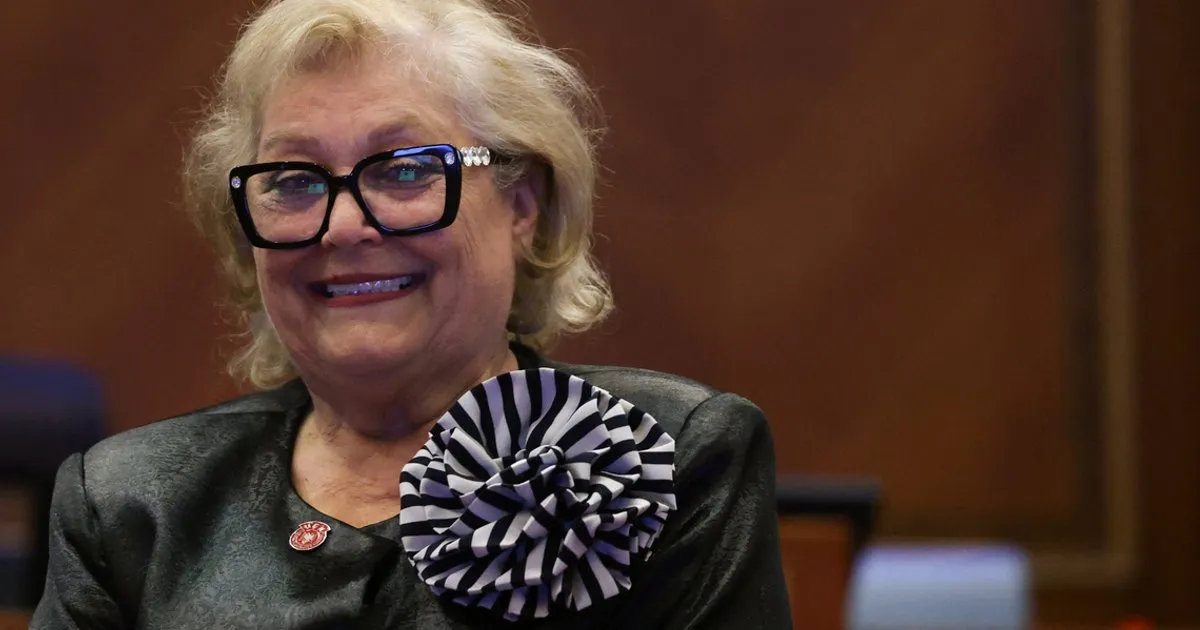 Photo: The Straits Times
Key points
Parliament elected economist Justina Shiroka Pula with 81 votes on 7 October to avoid triggering snap elections.
Kosovo parliament elected economist Justina Shiroka Pula as the country president largely ceremonial president just before a constitutional deadline on 7 October 2026. The 120-seat legislature chose her with 81 votes, one more than needed, avoiding another snap election in one of the poorest countries in Europe. Failure to elect a new president would have triggered snap parliamentary elections in the Balkan country as it did in June. The election followed a deal between the ruling Vetevendosje party of Prime Minister Albin Kurti and opposition Democratic Party of Kosovo to limit the powers of a Kosovo war crimes court in The Hague.
Deal to curb court powers
She received 81 votes in the early minutes of Wednesday, securing the necessary two-thirds majority required under Kosovo law. The presidency is mainly ceremonial in Kosovo but has often been a source of political instability because parties have struggled to agree on a candidate. Shiroka Pula said after the vote that the mandate belongs to citizens and she will be the president of all citizens. The election concluded a long-running political crisis that had threatened to send voters back to the polls for a fourth time in less than two years.
Background of the new president
Born in 1953, Shiroka Pula is the president of Kosovo Academy of Sciences and Arts and an economics professor who served as minister of the economy between 2008 and 2011. She completed primary and secondary school in Pristina before graduating from the Faculty of Economics in 1976. The deal involved amending the law governing the Kosovo Specialist Chambers to limit the jail sentences it can hand down to 15 years. This change was passed minutes before parliament deadline to elect its president, which had threatened to cause another governmental collapse.
Protesters demand legal changes
Police fired tear gas and used water cannon on Monday to disperse demonstrators demanding the changes be approved. Critics have asserted the Hague court punishments are too harsh and the amendments would prevent the court from prosecuting war crimes committed during the war. Shiroka Pula, born in 1953, is the president of Kosovo Academy of Sciences and Arts and an economics professor who served as minister of the economy between 2008 and 2011. Despite Kurtis party holding a majority in parliament, it has been unable to negotiate to elect a president for months.
The amendment passed a review by a parliamentary committee before it can return for a second reading, though opponents said the law on the Specialist Chambers and election of the president are not linked matters. Protesters continued to demand MPs vote on a second reading the same day after the session ended.
Amendment clears committee review
Clirim Haziri, organiser of the protest against the verdicts in Pristina, said that if MPs do not adopt the law and send the country towards elections, the protest will not end today. The change would not affect current sentences for the four former Kosovo Liberation Army leaders who have already said they will appeal.
Protests have been continuing since the Specialist Chambers first-instance verdict on 16 September, with thousands gathering nearby to celebrate the court changes. The amendment would allow convicts to serve their terms in Kosovo and clear the way for presidential pardons, limiting future jurisdiction to crimes committed inside Kosovo after the war.
Frequently asked questions
Who was elected as the new president of Kosovo?
Economist Justina Shiroka Pula was elected president on 7 October 2026 with 81 votes in the 120-seat parliament, one more than the two-thirds majority required.
Why was the election urgent?
Failure to elect a new president by the constitutional deadline would have triggered snap parliamentary elections, as happened in June, in one of Europe's poorest countries.
What changes were made to the war crimes court?
Parliament voted to limit the jail sentences the Kosovo Specialist Chambers can hand down to 15 years. The change does not affect current sentences for the four former Kosovo Liberation Army leaders, who plan to appeal.
How this story was checked
- Fact-checked against 3 cited pages. 28 figures, dates and quotations in this story were found on the pages it cites; 1 passage that could not be checked was cut before publication.
- Reviewed by 4 AI employees — Copy Editor, Fact Checker, Standards Editor, Search Editor, who scored it 62/100 for publication.
Pages checked (3 of 3)
- straitstimes.comread and checked
- balkaninsight.comread and checked
- gulfnews.comread and checked
Written by Kaer from public reporting. Checked 7 October 2026.


