Poland launches terror probe after Krakow shooting kills six
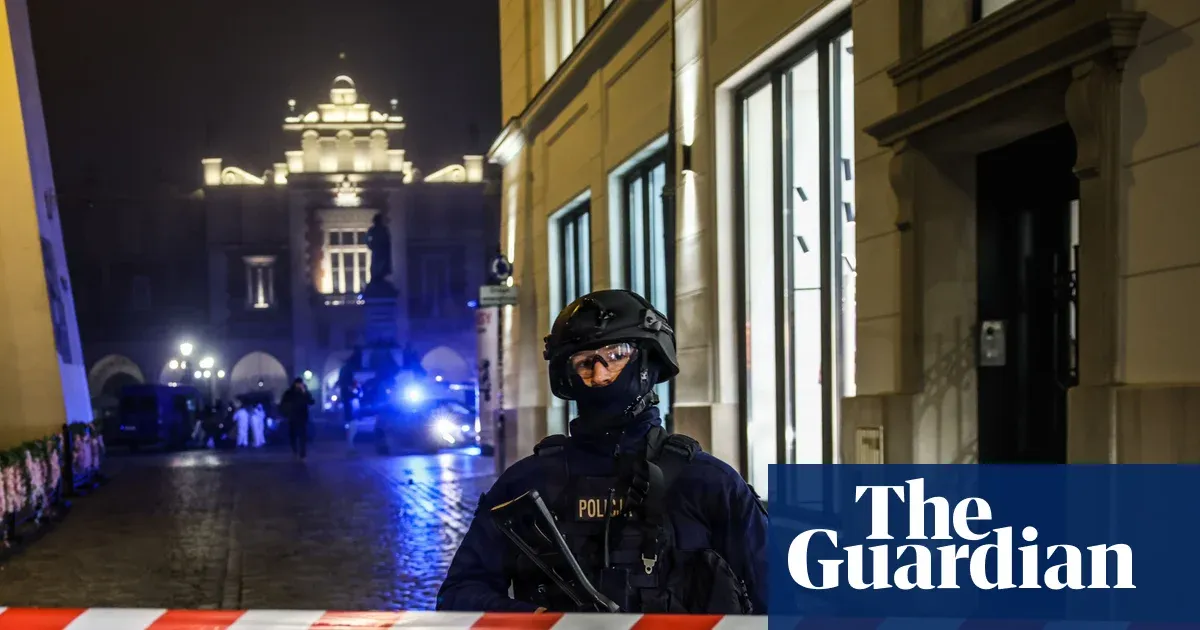
Polish prosecutors opened a terrorism investigation on 8 November after a gunman killed six people and wounded 15 in Krakow's Main Market Square.
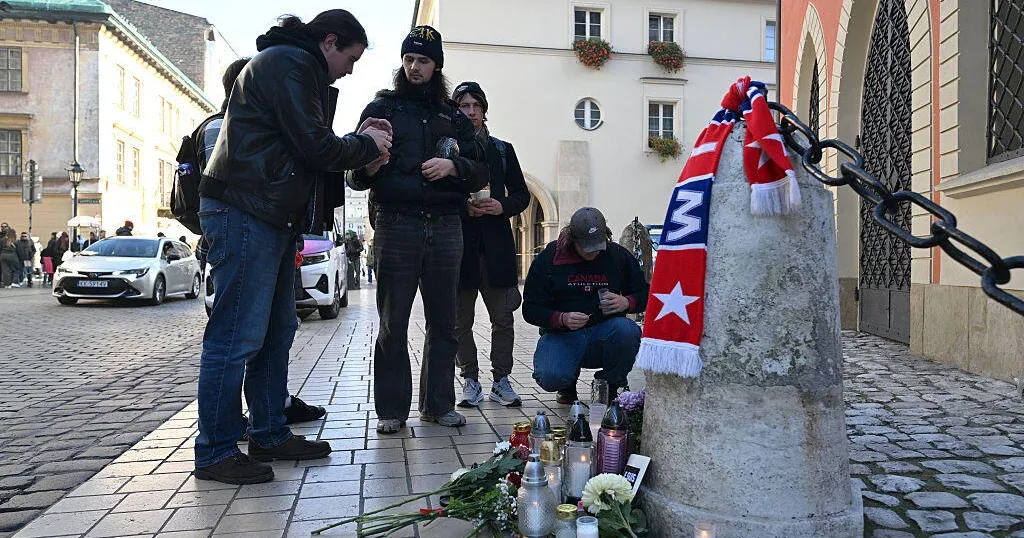 Photo: CBS News
Key points
Poland opened a terrorism investigation after a gunman killed six and wounded 15 in Krakow's Main Square on 7 November.
Polish prosecutors on 8 November opened a terrorism investigation into a mass shooting in Krakow's Main Market Square that killed six people and wounded 15 others, officials said. The attack happened on 7 November when a 24-year-old Polish national drove into the square and fired at random people from his moving car, according to the Malopolska police. The suspect, from Ostrowiec Swietokrzyski, was arrested and remains in hospital in critical condition.
The investigation covers murder and attempted murder of numerous people, including police officers, with the act 'constituting a terrorist offense,' prosecutors said on 8 November. Interior Minister Marcin Kierwinski said the suspect held 'very radical views' and 'was fascinated by far-right ideologies.' Defence Minister Wladyslaw Kosiniak-Kamysz described the attack as an 'act of terror' and said the suspect was not a soldier and had no links to the military.
The attack and the victims
Four women and two men were killed in the shooting, Krzysztof Jan Klęczar, the Malopolska regional governor, said on 8 November. Three of the women and one of the men were Polish, and a man from the United Kingdom was also among the dead, along with a woman from an unidentified foreign country. Five foreign nationals were injured, coming from Britain, Austria, Germany, Portugal and Russia, according to the interior ministry.
Police found the bodies of three people at the suspect's home in Ostrowiec Swietokrzyski, about 93 miles northeast of Krakow. Prime Minister Donald Tusk said the bodies of two women and one man were found, and 'there are strong indications that they are members of his immediate family.' Authorities said the three, the assailant's sister, mother and father, likely died from gunshot wounds.
The suspect's father owned 11 registered firearms, and the car used in the attack, a black Subaru, belonged to him, according to Polish media. Local officials in Ostrowiec Swietokrzyski said they seized seven weapons from the family home, bringing the total recovered to 11, including four found with the man in Krakow or in his car. The assailant is believed to have used an AR-15 rifle, and police found a military-style backpack, magazines and a bayonet in the boot of the car.
The suspect and his weapons
Neither the suspect nor his father had a criminal record, according to local media. The Central Bureau for Combating Cybercrime was analysing the attacker's online activity to see whether he belonged to radical groups. Kacper Rekawek, a senior researcher at the International Center for Counterterrorism in The Hague, said the shooter's military gear and overall look were similar to those of other 'extreme right lone actors' committing attacks around Europe.
Two police officers who stopped the gunman remain in hospital, with one still in a coma and the other having woken up from a coma, Klęczar said. Officials launched an appeal for blood donations for the most seriously wounded officer. Interior Minister Kierwinski praised the officers' heroism, saying 'the police prevented a much larger massacre that could have otherwise occurred' and that they fired at the attacker just three minutes after receiving the report.
Poland began two days of national mourning on 8 November, and Krakow's Main Square remained partially closed as the investigation continued. St. Mary's Trumpet Call, a traditional five-note melody played every hour from St. Mary's Basilica, was paused overnight in tribute, the first time it has been missed since World War II. Mayor Łukasz Gibała said Krakow would observe an official mourning period until Wednesday, but vowed the city would remain open to visitors.
Mourning and security concerns
Mass shootings are uncommon in Poland, but in mid-October three attacks at schools in the central province of Mazovia took place within four days, leaving one person dead and many wounded, including children. The young attackers used knives or other sharp objects. Rekawek said, 'We have had attempts before, but now we can say that these kinds of attacks have become successful in Poland.'
Expressions of shock and condolence came from across Europe. Ukrainian President Volodymyr Zelenskyy called the shooting 'shocking,' and European foreign policy chief Kaja Kallas called it 'a tragedy that will be felt far beyond Poland.' British Prime Minister Andy Burnham said he was 'shocked and saddened by the appalling shooting in Krakow,' and the Foreign Office advised British nationals in Krakow to follow local authorities' advice. The European flags flew at half-mast outside the European Commission headquarters in Brussels on 8 November.
Frequently asked questions
What happened in Krakow on 7 November?
A 24-year-old Polish national drove into Krakow's Main Market Square and fired at random people from his car, killing six and wounding 15. He was arrested and is in critical condition in hospital.
Why is the Krakow shooting being treated as terrorism?
Polish prosecutors opened a terrorism investigation on 8 November, citing the suspect's 'very radical' and 'ultranationalistic' views. Interior Minister Marcin Kierwinski said the suspect was 'fascinated by far-right ideologies.'
How many people were killed and injured in the Krakow shooting?
Six people were killed and 15 were injured in the shooting. Four women and two men died, including a British national. Five foreign nationals were among the injured.