Judge sets Lindsay Clancy retrial for March 29, 2027
Judge William Sullivan scheduled Lindsay Clancy's retrial for 29 March 2027, after her first murder trial ended in a mistrial.
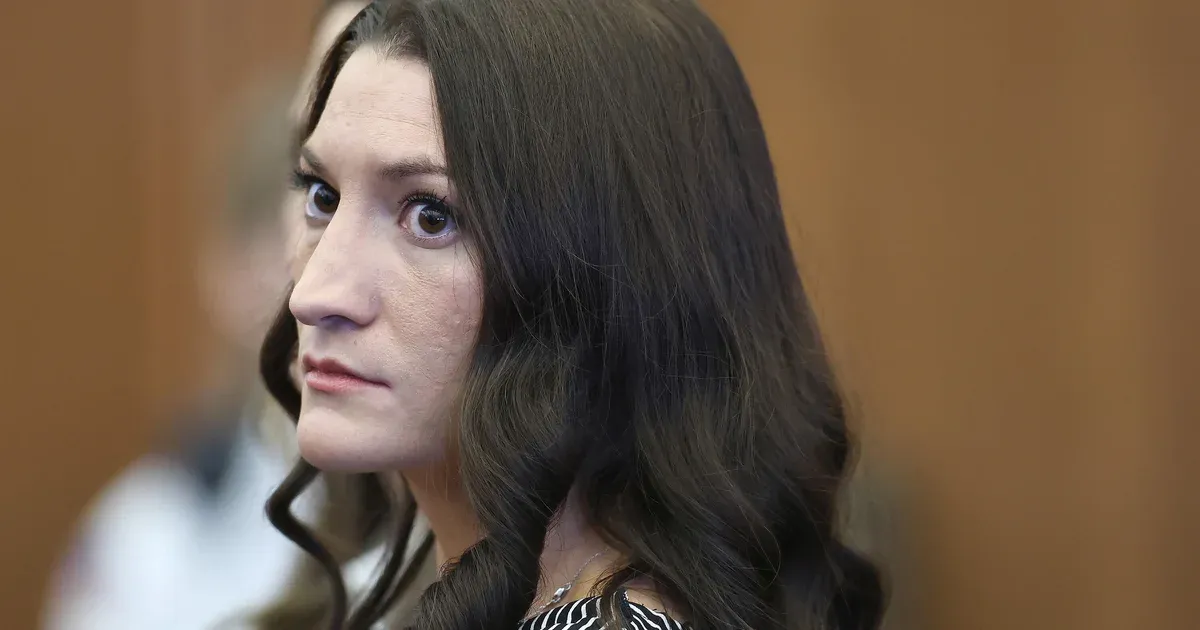 Photo: CBS News
Key points
Lindsay Clancy's retrial on first-degree murder charges is set for 29 March 2027, after a mistrial.
Judge William Sullivan set Lindsay Clancy's retrial for 29 March 2027 in Plymouth Superior Court, over the objections of prosecutors who sought a May date. The decision came during a brief but tense hearing on Monday, 16 November, as the commonwealth cited other cases on the docket. Sullivan, who is retiring in June 2027, was firm in seeking the March date.
Clancy, 36, faces three counts of first-degree murder in the deaths of her three children at their Duxbury home on 24 January 2023. Her first trial ended in a mistrial on 4 September when a 12-person jury failed to reach a unanimous verdict. Eleven jurors favoured acquittal on the grounds of insanity, while one disagreed.
Prosecutors sought May date
The district attorney, Tim Cruz, has the power to decide whether to retry Clancy on first-degree murder charges or pursue lesser charges such as second-degree murder or manslaughter. Cruz was not in court on Monday. Reddington has said he would never accept a plea deal that puts Clancy in jail at all.
Clancy's defence team argues she was suffering from severe postpartum psychosis at the time of the killings and was not criminally responsible. It was not disputed at her first trial that she strangled the children with exercise bands in the basement of the family home. She had asked her now-ex husband, Patrick Clancy, to leave the house to pick up takeout food and children's medicine shortly before the attack.
Defence argues insanity
Prosecutors argued Clancy planned the killings and understood what she was doing. Reddington said he plans to again request that the trial be split into two parts - one to prove guilt and another to prove her mental state. Judge Sullivan denied that request last time. "It's not guilty. They still have to prove that their investigation - using the term loosely - proved that she's guilty," Reddington said.
The scheduling of the retrial comes a week after Sullivan rejected a defence attempt to dismiss the charges on double jeopardy grounds. Double jeopardy is a legal principle that protects someone from being prosecuted more than once for the same crime after an acquittal or conviction. Sullivan ruled that a retrial would not violate Clancy's constitutional protection.
Clancy's lawyers had argued that the judge should have investigated or removed the lone juror who opposed acquittal before declaring a mistrial. After the mistrial, some jurors said in media interviews that they had been ready to find Clancy not guilty by reason of insanity, but that one juror had held out.
Jury selection challenges
Finding another jury for Clancy's second trial will not be easy, said WBZ-TV legal analyst Jennifer Roman. "This has gotten national, worldwide coverage. Everybody has heard of this case, even if they didn't follow the trial, they've certainly heard about it now," she said. "I think we are going to see an extended jury empanelment period of time for them to get the 14 or 15 members of that jury pool." Attorneys are scheduled to return to court at 9am on 30 December to discuss trial logistics, security and media arrangements. A pretrial conference is set for 18 February. Clancy is currently in a state-run psychiatric hospital and medical facility in Massachusetts.
Frequently asked questions
When is Lindsay Clancy's retrial scheduled?
Judge William Sullivan set the retrial for 29 March 2027 in Plymouth Superior Court.
Why did Lindsay Clancy's first trial end in a mistrial?
The jury failed to reach a unanimous verdict on whether she was criminally responsible for the killings. Eleven jurors favoured acquittal on insanity grounds, while one disagreed.
What charges does Lindsay Clancy face?
She faces three counts of first-degree murder, though the district attorney has not officially confirmed the charges for the retrial. Lesser charges are possible.