World leaders at Manila summit seek trade to offset US risks
Leaders from Canada, Brazil, Australia and China gather in Manila to deepen trade links as a hedge against rising US protectionism under President Donald Trump.
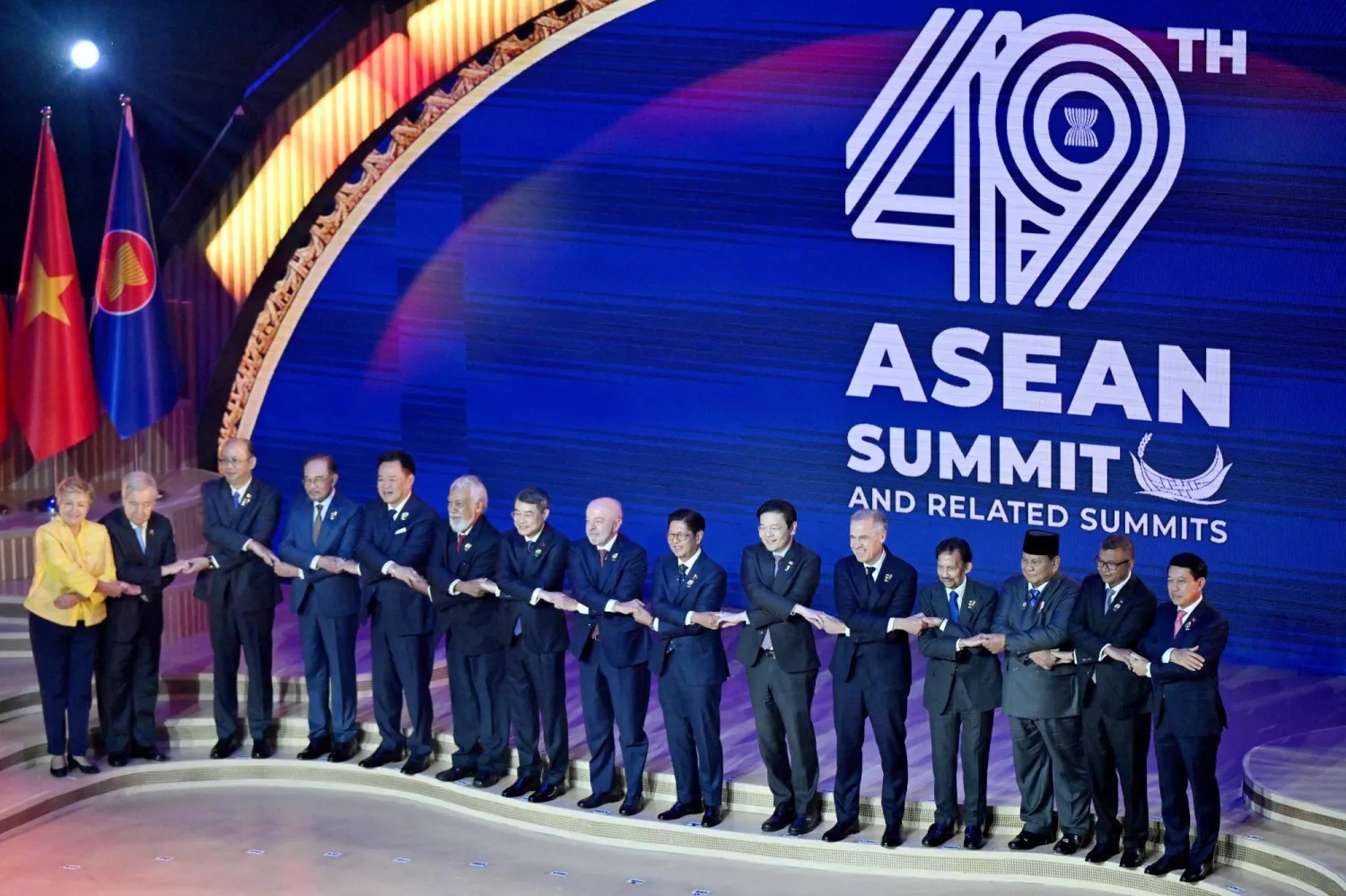 Photo: The Japan Times
Key points
World leaders at the Manila ASEAN summit are deepening trade links to offset risks from US protectionism.
World leaders converged on Manila on Sunday for the three-day Association of Southeast Asian Nations summit, many seeking to deepen trade links as a hedge against rising US protectionism under President Donald Trump. Canada’s Mark Carney, Brazil’s Luiz Inácio Lula da Silva and Australia’s Anthony Albanese attended the kickoff, with trade and regional security matters the focus of discussions.
Leaders seek trade hedge
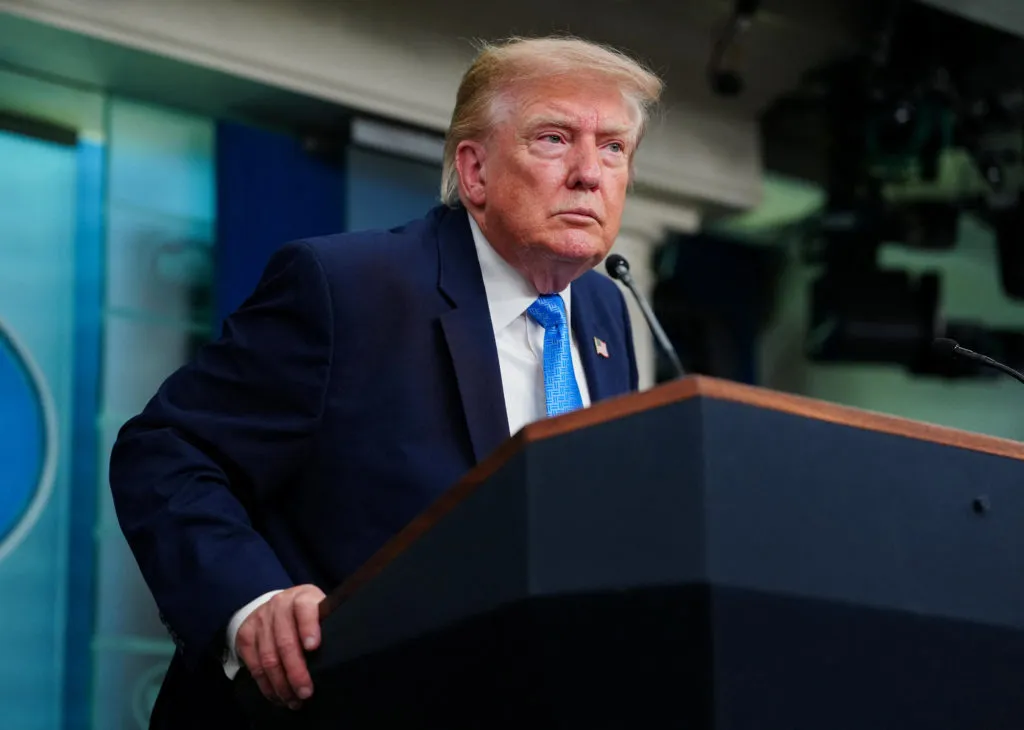
Chinese Premier Li Qiang arrived late Sunday, while India’s Narendra Modi and Japan’s Sanae Takaichi are expected in coming days. The diplomatic push underscores a broader scramble by middle power countries and European nations to diversify trade and defense partnerships. Trump will make an appearance in Manila late Tuesday afternoon as the summit is concluding, staying less than 24 hours before flying to Shenzhen for the Asia-Pacific Economic Cooperation summit. There he will participate in a trilateral summit with China’s Xi Jinping and Russia’s Vladimir Putin.
The ASEAN leaders are likely to renew calls for self-restraint and peaceful resolutions of conflicts, including longstanding disputes in the South China Sea and a civil war in Myanmar. They also are expected to press efforts to shield their economies and citizens from continuing fallout from intractable global conflicts, according to drafts of post-summit communiques seen by The Associated Press.
Philippine President Ferdinand Marcos Jr. said it’s crucial that despite the 11-nation regional bloc’s diversity, it has remained committed to remaining united in the face of headwinds. 'That commitment matters even more as the waters around us turn on shifting tides, geopolitical tensions, economic uncertainty, new technologies, climate change and transnational threats,' Marcos said in his opening remarks.
Trump’s brief Manila stop
Marcos warned problems across the world 'are reshaping our region faster than any one country can respond to alone.' But unity has been an elusive objective in ASEAN, a diverse bloc of democracies and authoritarian states, many of which are aligned with the United States or China. Trump will join three key meetings late Tuesday, including a meeting of the Quadrilateral Security Dialogue consisting of the United States, Japan, Australia and India, a grouping largely seen as a counterweight to China. He also will take part in a special summit with ASEAN leaders over cocktails, according to Philippine officials.
Trump will meet Wednesday with Marcos, who will receive him with a red-carpet welcome and a state luncheon at Manila’s presidential palace. They are expected to renew a commitment to their countries’ decades-old treaty alliance before flying separately to Shenzhen for the APEC summit hosted by Chinese President Xi Jinping.
ASEAN unity under strain
U.S.-based geopolitical analyst Greg Poling said the short stop in Manila will help reassure allies and partners that they aren’t being forgotten before Trump jets off to Shenzhen. He added that the midterm electoral setback suffered by Republicans will hound Trump in Asia, and that China will likely be less interested in making compromises with a politically weakened Trump.
China will be represented in the Manila summit by its premier, Li Qiang, who will meet ASEAN leaders on Monday but leave before Trump arrives, Philippine officials said. The summit continues through Tuesday, with Trump’s departure marking the end of the Manila leg before the APEC summit in Shenzhen. The leaders’ draft statement says, 'We reaffirmed our shared commitment to upholding international law, including the United Nations Charter.' It also underlines the 'importance of the peaceful resolution of disputes, upholding freedom of navigation and overflight and other lawful uses of the sea, including the right of transit passage in straits used for international navigation.'
The summit’s focus on trade diversification reflects a broader trend among middle powers to reduce reliance on the US market amid protectionist policies. With Trump’s brief visit and the presence of leaders from Canada, Brazil, Australia, China, and others, the Manila summit serves as a platform for forging new economic partnerships.
Frequently asked questions
Why are world leaders meeting in Manila?
Leaders are meeting for the three-day ASEAN summit to deepen trade links as a hedge against rising US protectionism under President Donald Trump, and to discuss regional security issues like the South China Sea and Myanmar.
When will Trump arrive in Manila?
Trump will arrive late Tuesday afternoon, after the main ASEAN summit meetings have concluded, and will stay less than 24 hours before flying to Shenzhen for the APEC summit.
What is the Quadrilateral Security Dialogue?
It is a meeting of the United States, Japan, Australia and India, largely seen as a counterweight to China, which Trump will join late Tuesday.