Moderna Merck vaccine cuts melanoma recurrence 42% in trial
Moderna and Merck's personalized melanoma vaccine cut the risk of recurrence or death by 42% in a 1,137-person trial, with detailed results released on 22 October after a data leak.
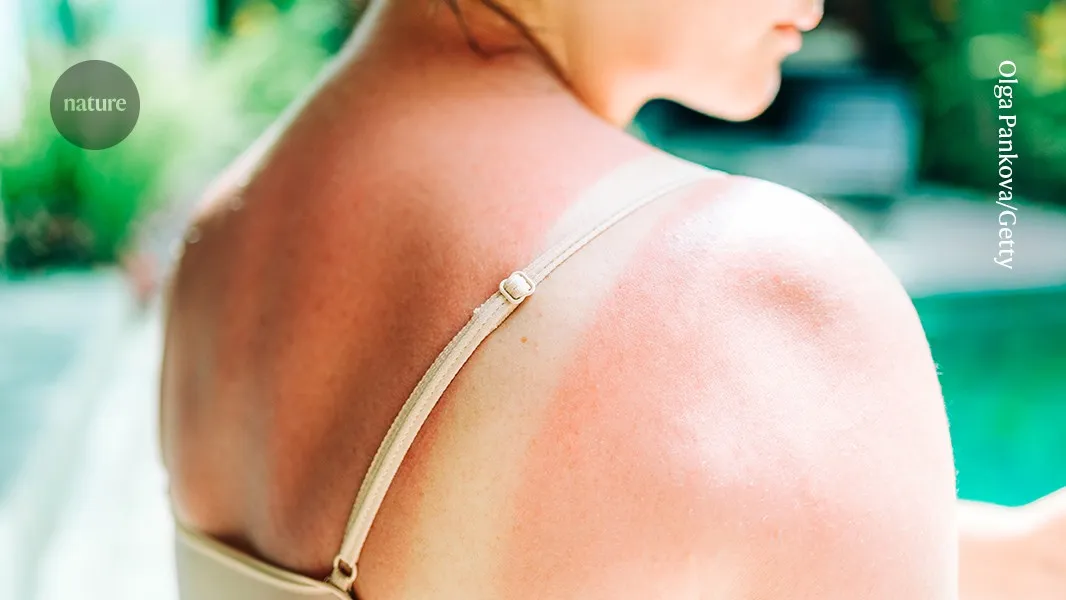 Photo: Nature
Key points
Moderna and Merck's personalized melanoma vaccine intismeran, combined with Keytruda, cut the risk of recurrence or death by 42% in a phase 3 trial of 1,137 patients.
Moderna and Merck's personalized melanoma vaccine cut the risk of the cancer returning or the patient dying by 42% when combined with the immunotherapy drug pembrolizumab, according to detailed phase 3 results released on 22 October. The trial enrolled 1,137 people with moderate to advanced melanoma across 157 centres. The companies released the key results after trial data leaked online on 22 October, ahead of a planned presentation.
The results matter because they could make intismeran the first approved mRNA vaccine for cancer. Oncologists regard a risk reduction of 10% as substantial, so a reduction above 40% is unusually large. The vaccine is not designed to prevent melanoma from developing, but to stop it returning in people who have already had surgery to remove tumours.
What the trial tested
The INTerpath-001 study enrolled 1,137 participants diagnosed with high-risk stage IIB-IV melanoma following surgical resection. Participants were randomly assigned to receive either the tailor-made vaccine, intismeran autogene, alongside pembrolizumab — sold as Keytruda — or pembrolizumab plus an inactive placebo. At a median follow-up of 24.6 months, the combination showed a 42% risk reduction for recurrence or mortality.
Recurrence-free survival at the two-year mark reached 82.2% for patients on the combination versus 70% for those on Keytruda alone. The dual-agent approach also lowered the risk of distant metastatic spread or death by 38%. A separate phase 3 analysis associated the combination with a 58% lower risk of recurrence or death after six months compared with Keytruda alone.
To build intismeran, Georgina Long's team sequenced DNA from each participant's tumour to identify mutations in the cancer cells. These mutations produce proteins called neoantigens, which help the immune system tell cancer cells apart from healthy ones. The mRNA treatment uses mutations specific to each patient's tumour to train the immune system against remaining cancer cells. Keytruda stimulates the immune system to identify and attack cancer cells.
How the vaccine works
Grade 3 or higher treatment-emergent adverse events occurred in 14.2% of combination recipients versus 13.4% in the comparator arm, and both companies confirmed no novel safety signals. Georgina Long says the therapy did not result in any major harmful side effects. Dr Hussein Tawbi of the University of Texas MD Anderson Cancer Center emphasised relatively mild vaccine effects, including injection-site reactions.
Moderna shares fell as much as 25% on 22 October after the partial data leak, wiping out roughly $24 billion in market capitalisation temporarily, before recovering some losses. RBC Capital Markets analyst Trung Huynh wrote that investors had wanted results matching an earlier phase 2 trial's roughly 49% reduction in recurrence or death at five years. UBS analyst Michael Yee called the recurrence data robust on balance.
Questions remain about whether the combination extends patients' lives, how long benefits persist, and which patients gain most. Jessamy Tiffen, a cancer geneticist at the Centenary Institute in Sydney, says only time will tell how effective the treatment is beyond two years, noting that some people did not respond to the vaccine. Overall survival data remains immature at this analysis point.
What remains unresolved
Manufacturing presents a practical hurdle: Dr George Ansstas of Washington University in St. Louis said custom manufacturing can take roughly six weeks, during which patients start Keytruda. Dr Adil Daud of the University of California San Francisco said patient-specific manufacturing requires substantial labor and prevents advance stockpiling, and warned the treatment would probably be expensive.
Moderna and Merck must still establish whether the approach works in other cancers, including non-small cell lung cancer, bladder cancer, and renal cell carcinoma. Moderna CEO Stéphane Bancel said the company is completing a regulatory filing seeking full approval next year. Merck Research Laboratories President Dean Li cautioned before the results that the progress represented only an initial step.
Detailed findings were scheduled for presentation at the European Society for Medical Oncology conference in Madrid on 24 October, where safety data would clarify the additional risks and benefits of combining the vaccine with immunotherapy. Long says her team will conduct a statistical analysis to identify who is most likely to benefit, with participants monitored for several years to determine whether the vaccine improves overall survival.
Frequently asked questions
When will detailed trial results be presented?
Moderna and Merck scheduled a detailed presentation of the trial outcomes for 24 October at the European Society for Medical Oncology conference in Madrid.
Did the vaccine have serious side effects?
Grade 3 or higher adverse events occurred in 14.2% of combination recipients versus 13.4% on Keytruda alone, and both companies confirmed no novel safety signals emerged during the trial.