Mondlane goes on trial in Maputo over deadly 2024 protests
Opposition leader Venâncio Mondlane faces five charges, including instigating terrorism, over protests that killed more than 300 people, in a trial starting 17 November.
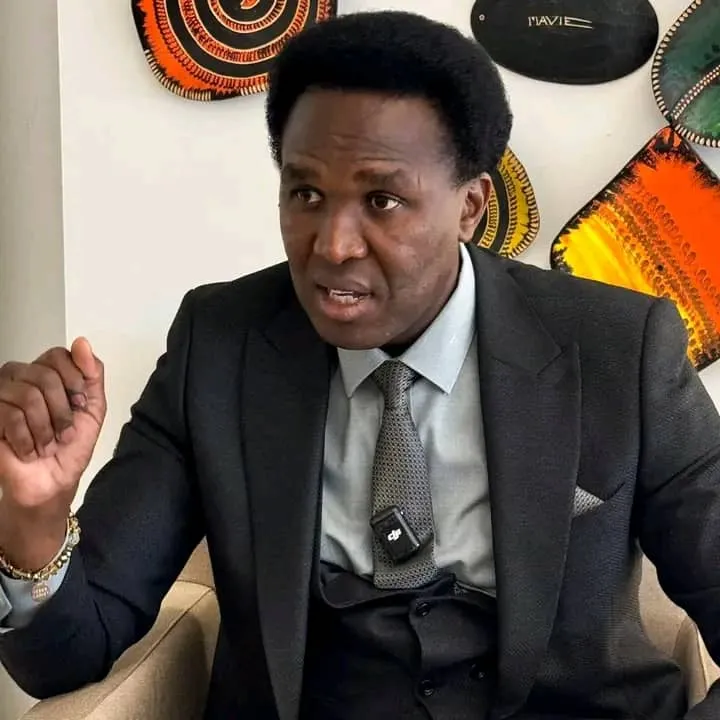 Photo: The Maravi Post
Key points
Mondlane faces up to 24 years in prison if convicted on charges linked to the 2024 post-election protests.
Venâncio Mondlane, Mozambique's opposition leader, arrived at the Supreme Court in Maputo on 17 November to stand trial over his alleged role in the deadly protests that followed the disputed 2024 elections. He faces five charges, including incitement to terrorism and civil disobedience, and denies any wrongdoing. Security has been tightened around the court, with a heavy police deployment, as authorities fear fresh demonstrations by his supporters.
Charges and possible sentence
Prosecutors accuse Mondlane of encouraging demonstrations that disrupted public services, damaged property and threatened public security. The charges include publicly glorifying criminal acts, incitement to collective disobedience, public instigation to commit crimes and offences linked to terrorism. If convicted of the most serious charge, he could face up to 24 years in prison. Mondlane has rejected the accusations, insisting his calls for demonstrations were aimed at demanding electoral transparency rather than encouraging violence.
The protests began after the October 2024 elections, which declared Daniel Chapo of the ruling Frelimo party the winner. Mondlane challenged the results and called for nationwide protests and work stoppages. The demonstrations continued for months, with rights groups accusing security forces of using excessive force against protesters. According to the Public Prosecutor's Office, Mondlane used social media to spread what it calls radical ideas, which he described as a revolution, and prosecutors claim followers acted on them.
Amnesty International, citing local civil society organisations, said more than 300 people were killed during the unrest, which was one of the country's worst post-election crises since independence. Mozambican police put the death toll at 96, including 17 police officers. The Decide platform previously published figures of 7,200 people detained and 411 deaths. European Union election observers also reported irregularities in the October 2024 vote, raising questions about the credibility of the results.
Death toll disputed
The prosecution alleges the unrest caused deaths, property damage and substantial losses to the national economy, and created panic and terror among the population. It accuses Mondlane of deliberately inciting violence and social unrest and driving a process of radicalisation. Mondlane's party, the National Alliance for a Free and Autonomous Mozambique (Anamola), has described the prosecution as politically motivated. The Supreme Court has denied allegations of political interference in the proceedings.
The trial is scheduled to run daily from 10:00 to 15:30, heard by a panel of five Supreme Court judges, with two deputy prosecutors-general representing the state. The court will hear 12 prosecution witnesses, 20 defence witnesses, four witnesses for the assisting party Revimo, and two experts from mobile operators Vodacom and Tmcel. It will be the first trial in Mozambique to use an audio and video recording system with automatic transcription, a move expected to speed up proceedings.
Because of limited space, the courtroom will hold a maximum of 45 people. Only 12 media organisations will have permanent seats, with other places rotating among national and foreign journalists. Seats have also been reserved for the Bar Association, civil society organisations and members of the public, who must register in advance. Movement around the court will be restricted for security reasons. The restrictions have sparked criticism from journalists and press freedom campaigners, who argue they undermine transparency.
Trial logistics and security
Ahead of the hearing, the Police of the Republic of Mozambique issued a statement on Monday urging citizens to remain calm and to follow the trial peacefully. The police called for tolerance and peaceful coexistence, and stressed that the right to protest must be exercised strictly within the law. They warned against any act that undermines public order, personal safety, or public and private property, and said they would act preventively and proportionately while respecting the democratic rule of law.
Mondlane had appealed to the international community before his return, asking the world to watch Mozambique closely and to stand with its people if he is arrested or killed. His warning has heightened fears about his safety and about what his return could trigger. Political observers warn that the trial could reignite tensions in a country still struggling to recover from the violence and deep political divisions that followed the 2024 elections. The proceedings are expected to be heard by five judges, with witnesses called by both the prosecution and defence.
Frequently asked questions
What charges does Venâncio Mondlane face?
He faces five charges: publicly condoning crime, inciting collective disobedience, publicly instigating a crime, instigating terrorism and inciting terrorism. The most serious carries a possible sentence of up to 24 years in prison.
How many people died in the 2024 Mozambique protests?
Amnesty International, citing local civil society organisations, said more than 300 people were killed. Mozambican police put the death toll at 96, including 17 police officers. The Decide platform previously reported 411 deaths.
When did the trial start and how long will it last?
The trial began on 17 November 2026 at the Supreme Court in Maputo. It is scheduled to run daily from 10:00 to 15:30, with a panel of five judges and witnesses from both sides.