Musk spends nearly $500 million on midterms, loses most races
Elon Musk spent nearly $500 million backing Republican candidates in the 2026 midterms, but more than 99 cents of every traceable dollar went to a race he lost.
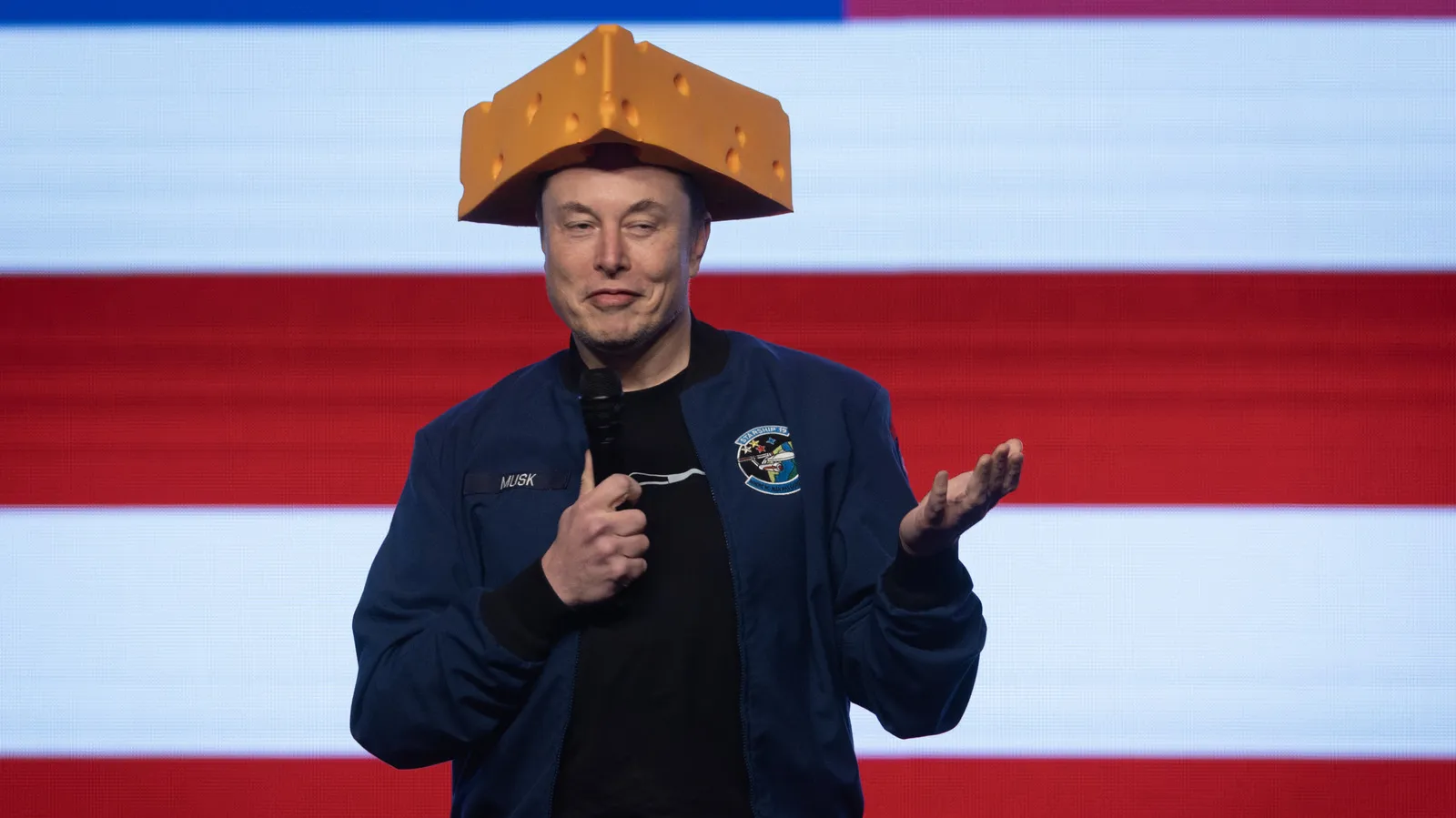 Photo: Engadget
Key points
Elon Musk spent nearly $500 million on Republican candidates in the 2026 midterms, but lost most races, including the Texas Senate seat.
Elon Musk spent nearly $500 million to elect Republican candidates in the 2026 midterms, according to Federal Election Commission filings reported by Forbes, and lost most of the races he backed. The Tesla chief executive was the election's single largest individual donor, dwarfing the second-place billionaire couple Dick and Liz Uihlein by more than a factor of three. As of 4 November, candidates backed by his America PAC had lost 20 races and won only one, with 21 uncalled, according to a WIRED analysis of election data.
Of every traceable dollar Musk put into a race that has been decided, more than 99 cents went to a race he lost, WIRED calculated. Musk and his political action committee spent more than $400 million since President Donald Trump retook office, including nearly $87 million on advertisements targeting 42 midterm races. He also funneled more than $229 million into other political groups, chiefly the main Republican super PACs for the House and Senate, along with smaller ones formed to fight single races in Kentucky and Texas.
Texas rebuke
Texas delivered the costliest rebuke. Musk funneled more than $168 million to super PACs that supported Republican Ken Paxton, and his own America PAC, which received $216 million from him, spent $34.7 million of those funds in the state. All told, that is more than $200 million spent on a single state. Democrat James Talarico beat Paxton by more than 12 points, becoming Texas' first Democratic senator since 1988. The governor's seat also flipped: Democrat Gina Hinojosa ousted Republican incumbent Greg Abbott.
The Texas Senate race was the most expensive in American history, with more than $573 million spent on advertisements between Talarico, Paxton, and their aligned PACs. Through mid-October, Texas PAC, a group funded entirely with money Musk routed through the Senate Leadership Fund, had spent $148 million on the contest, nearly $79 million attacking Talarico and nearly $70 million propping up Paxton. America PAC added another $47 million, straight from Musk.
Musk's money may have been a liability. Paxton's campaign received just $22.3 million in direct donations, compared with the $146 million Talarico raised from voters. Anti-Talarico ads largely focused on culture war issues like transgender people, a fixation of Musk's. One Facebook ad that cost between $15,000 and $20,000 urged voters to "defeat Talarico and his radical trans agenda." Talarico framed the race as a "top versus bottom" struggle between the ultrarich and everyone else, repeatedly emphasizing his opponent's relationship with Musk.
National losses
Musk also lost in other states. America PAC ran ads in seven Senate races this cycle; six have been called, and Musk's side lost all six. Sherrod Brown took back Ohio, Abdul El-Sayed won Michigan, where the PAC spent $9.2 million on ads, Josh Turek flipped Iowa, and in Maine, Troy Jackson unseated Susan Collins, ending her 30-year career in the Senate. As of publication time, only Alaska remains uncalled. In Kentucky, Andy Barr, whom a Musk-backed group spent $3.8 million attacking, won the seat by 12 points.
In Michigan, America PAC spent $5.5 million attacking El-Sayed and $3.7 million propping up Mike Rogers. In the closing weeks, Rogers, Trump, and vice president JD Vance each suggested El-Sayed or his family were tied to the Muslim Brotherhood. Addressing the outside money in his victory speech, he told supporters they had "built something bigger than a bank account." On the same ballot, Michigan voters approved a measure barring political donations from utilities and large state contractors.
Musk put $10 million into Fight for Kentucky in January, a group formed to win the Republican nomination for the open seat of retiring Senate Republican leader Mitch McConnell. It spent $9.6 million promoting Nate Morris, who quit two weeks before his primary after Trump offered him an ambassadorship to Colombia. Andy Barr, the seven-term congressman the group had spent an additional $3.8 million attacking, won the seat by 12 points on Tuesday.
What happens next
Musk's X account went unusually dark Tuesday evening as results rolled in. Shortly after 1 am, he posted twice: "Data centers in space looking pretty appealing right now," he wrote first. About a minute later, he added, "Guess my election-interfering space lasers didn't work this time" with a shrug emoji. He had earlier deleted a "Vote red early!" post from Election Day. Tesla and SpaceX stocks have plunged in value.
Come January, Democrats will hold sway over much of Musk's Texas empire, including the more than $1.6 billion in tax incentives overseen by the office of ousted governor Abbott. Nathan Johnson will also become the state's first Democratic attorney general in decades. Musk's interests in Texas include a SpaceX chip plant the state valued at more than $16.8 billion, Tesla's robotaxi fleet, and SpaceX's Starbase launch site. The next test of his political influence comes when the new Congress convenes in January.
Musk's defeat was long in the making. Lone Star Liberty PAC, which his personal trust gave $10 million, spent $6.7 million clearing Paxton's path to the nomination. It put $3.6 million against John Cornyn, the state's senior senator for more than two decades, and $3.1 million against Houston congressman Wesley Hunt. Hunt finished third in March, and Cornyn lost the runoff in May. By June, Musk had his nominee: Paxton, a top law enforcement official who had spent nearly a decade under indictment for securities fraud.
Musk is currently worth around $898 billion, enough to put a similar thumb on the scale for the next 2,000 election cycles, Engadget noted. He was frantic leading up to the election, decrying that a Democrat win would signal "the end of democracy in any meaningful sense of the word." He was also adamant that Senate-elect Talarico would "trans your kids." The midterms are mostly behind us, with results still pending in Mississippi and Alaska Senate races.
Frequently asked questions
How much did Elon Musk spend on the 2026 midterms?
Musk spent nearly $500 million, according to FEC filings reported by Forbes. He was the largest individual donor, dwarfing the second-place Uihlein couple by more than a factor of three.
Why did Musk lose most races despite spending so much?
Musk's money went to candidates who lost, with more than 99 cents of every traceable dollar going to a race he lost. In Texas, his ads focused on culture war issues, which may have been a liability.
What happened in the Texas Senate race?
Democrat James Talarico beat Republican Ken Paxton by more than 12 points, despite over $200 million in Musk spending. The race was the most expensive Senate election in history, with over $573 million in ads.