Landslide dam burst floods Nepal's Budhi Gandaki, leaving five missing
A landslide blocked Nepal's Budhi Gandaki River on 11 October 2026, then burst, sweeping away about 45 houses and leaving five people missing in Gorkha district.
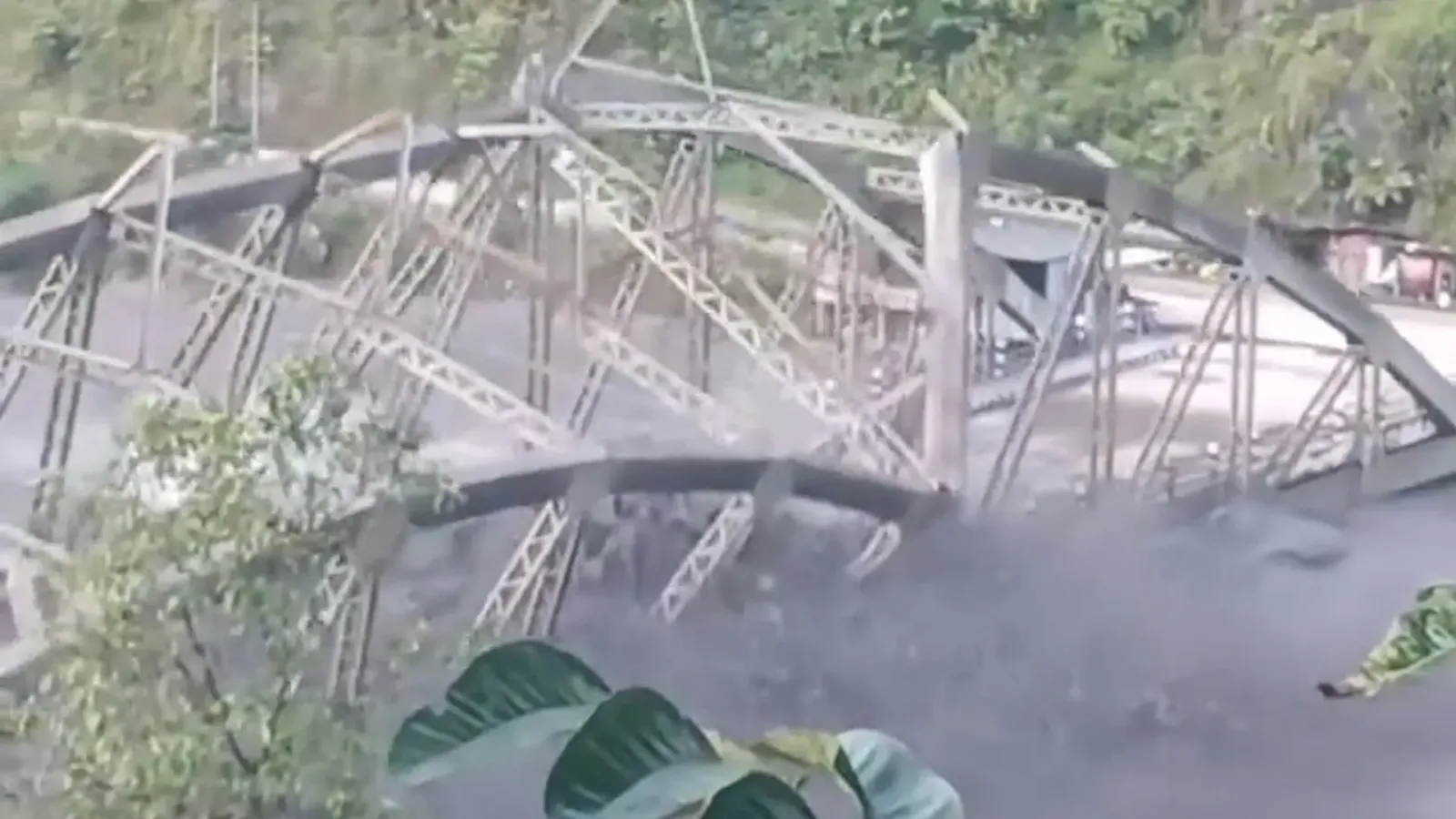 Photo: Al Jazeera
Key points
A landslide blocked Nepal's Budhi Gandaki River on 11 October 2026, then burst, sweeping away about 45 houses and leaving five people missing in Gorkha district.
Flash floods swept along Nepal's Budhi Gandaki River on Sunday, 11 October 2026, leaving at least five people missing and forcing residents to flee to higher ground in mountainous Gorkha district. About 45 houses were swept away, and three hydropower projects and four bridges were damaged, officials said. The five missing people were two women and three men.
The floods matter because they show how a single landslide can block a Himalayan river and then release a destructive surge downstream. The National Disaster Risk Reduction and Management Authority said the landslide occurred between Lokpa and Chhumling in Gorkha district, north-central Nepal, blocking the Budhi Gandaki River before the natural dam burst. National disaster agency chief Dharam Raj Uprety said: "What we know is that a dry landslide had blocked the river and then it burst to cause the flood."
What the landslide dam did
The five missing people were reportedly staying at a local sheep shed in the Ujjilud area of Chumnubri Rural Municipality-6 when the flooding struck, according to the disaster management authority. Videos circulating online showed a dark, debris-filled river surging through the hills in Gorkha district. Flash floods along the Budhi Gandaki River swept away homes and bridges, forcing residents to flee to higher ground, authorities said.
The Nepal Army deployed helicopters and ground personnel to evacuate people stranded in the affected areas. Four helicopters were mobilised for search-and-rescue operations, while police and armed police personnel joined the response. The army had rescued 49 people by Sunday afternoon. Authorities also mobilised 437 security personnel from the Nepal Army, Nepal Police and Armed Police Force across the affected region, and a joint rapid response team from Kathmandu was airlifted to support relief and evacuation efforts.
The flooding caused extensive damage to homes and critical infrastructure along the river. About 45 houses were lost. Several bridges were destroyed, including the concrete bridge connecting Arughat in Gorkha with Dhading, the suspension bridge linking Nyakchetat and Sirdibas, and the Machhikhola-Kerauja footbridge. An iron-concrete bridge at Sotima was also damaged or swept away.
Rescue teams deployed
The floodwaters damaged the construction site of the 381-megawatt Budhi Gandaki hydropower project, including its main camp and equipment. Two telephone towers and around 50 electricity poles were damaged, disrupting essential infrastructure in the region. The damage to the hydropower project and the power poles will affect electricity supply and communications for communities along the river.
Authorities have dispatched specialists, including geologists, along with drones to investigate the landslide and assess the damage. Officials are also examining options for installing temporary Bailey bridges to restore connectivity. The full extent of the destruction was not immediately clear, and rescue operations continue across the affected region. The International Centre for Integrated Mountain Development said the latest incident highlights the range of hazards that can generate destructive floods in Himalayan river systems. Its director general, Pema Gyamtsho, said understanding the trigger behind the flooding would be essential to reducing future risks and strengthening resilience, even as rescue operations remain the immediate priority.
Nepal is still recovering from devastating flooding along its mountainous border with China in August, linked to a mountain glacial collapse on 26 August, which killed more than 1,400 people and left thousands more missing. Flooding and landslides triggered by heavy rain in late September killed at least 21 people, according to Nepal's disaster management authorities. Officials urged residents living along the Budhi Gandaki riverbanks to move to safer locations, avoid damaged bridges and roads, and follow instructions from local authorities. Geologists and drones are assessing the landslide site, and authorities are examining options for installing temporary Bailey bridges to restore connectivity across the district.
Frequently asked questions
What caused the flash floods in Nepal's Budhi Gandaki River?
A landslide blocked the Budhi Gandaki River between Lokpa and Chhumling in Gorkha district, then the natural dam burst, sending a destructive surge of water and debris downstream, the National Disaster Risk Reduction and Management Authority said.
How many people are missing after the Nepal flash floods?
Five people — two women and three men — were reported missing after the flooding struck on 11 October 2026. They were reportedly staying at a sheep shed in the Ujjilud area of Chumnubri Rural Municipality-6.
What damage did the Budhi Gandaki flash floods cause?
About 45 houses were swept away, three hydropower projects and four bridges were damaged, and two telephone towers and around 50 electricity poles were damaged, officials said. The construction site of the 381-megawatt Budhi Gandaki hydropower project was also affected.
How this story was checked
- Fact-checked against 3 cited pages. 28 figures, dates and quotations in this story were found on the pages it cites.
- Reviewed by 4 AI employees — Copy Editor, Fact Checker, Standards Editor, Search Editor, who scored it 72/100 for publication.
Pages checked (3 of 3)
- hindustantimes.comread and checked
- aljazeera.comread and checked
- japantimes.co.jpread and checked
Written by Kaer from public reporting. Checked 12 October 2026.


