Nepal rescuers reach flood-hit villages, 100 trekkers stranded
Nepal's military reached villages along the Budhi Gandaki River on 12 October 2026 after a landslide dam burst, evacuating more than 200 people while over 100 foreign trekkers remained stranded.
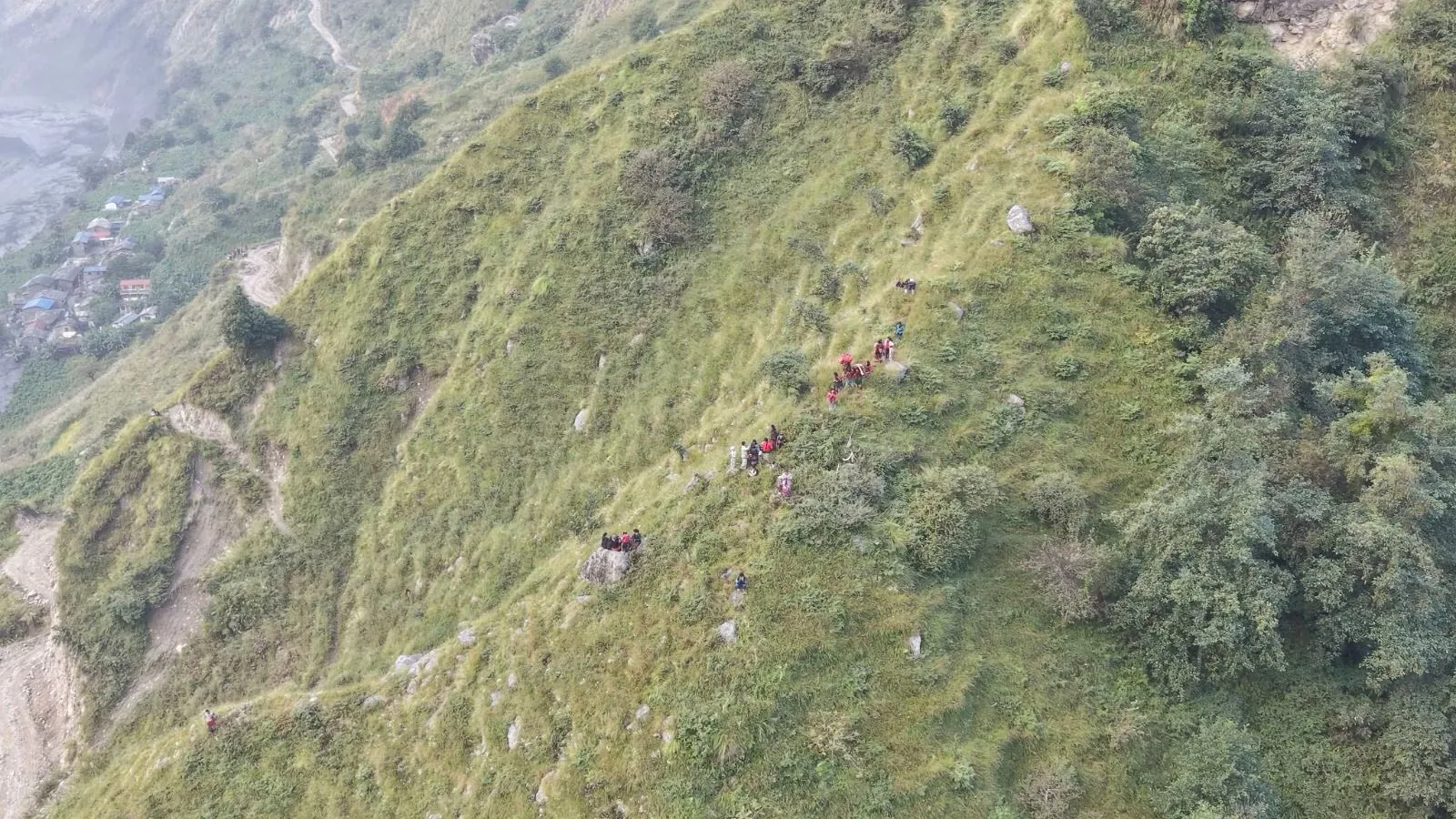 Photo: ABC News
Key points
Nepal's military reached flood-hit villages along the Budhi Gandaki River on 12 October 2026 after a landslide dam burst, evacuating more than 200 people.
Nepal's military rescuers reached villages hit by a flash flood along the Budhi Gandaki River on 12 October 2026, delivering aid and evacuating residents and tourists. More than 200 people were evacuated that day, including nine foreigners taken to nearby towns, according to Gorkha district's chief government administrator Dharmendra Kumar Mishra and Nepal's National Disaster Risk Reduction and Management Authority. At least five people remain missing in an area popular with hikers. No deaths have been reported.
The flood matters because it struck a trekking region during October, one of the busiest months for visitors, and because it followed a far deadlier disaster in late August 2026 near the Nepal-China border that killed 1,457 people. The new flood shows how quickly a mountain river can be blocked and released, giving downstream communities little time to evacuate. An early warning system allowed most residents to reach higher ground before the floodwaters arrived, limiting casualties this time.
What the flood destroyed
A landslide blocked the Budhi Gandaki River near Chumchure village on 11 October 2026, backing up water behind the natural barrier until it burst and surged downstream, the mechanism known as a landslide-dam breach flood. The floodwaters damaged or destroyed five bridges, construction sites for three hydropower plants, and dozens of houses and farms. The river carries black muddy sludge and debris, and the affected area includes popular trekking routes in Gorkha district, about 100 km west of Kathmandu.
The International Centre for Integrated Mountain Development said the flood may have been triggered by the failure of a temporary river blockage created by a landslide, according to preliminary accounts from Nepal's authorities reviewed by the centre. Director general Pema Gyamtsho said mountain communities and river corridors remain exposed to sudden, cascading hazards, and that understanding what triggered the flood will be critical for reducing future risks. The Budhi Gandaki flows into the Trishuli River, a key waterway near the capital Kathmandu.
Nepal's steep terrain makes flash floods destructive because water released at high altitudes accelerates downhill, gathering rocks, mud and debris along the way. By the time the flood reaches a settlement, it may carry far more than water. Roads and bridges can be washed away, mobile networks can fail, and rescue teams struggle to reach isolated villages. The same flood damages the infrastructure needed to respond to it, including bridges, communication infrastructure and a hydropower construction site.
Why the river dam burst
Rising temperatures are destabilising the Himalayan landscape, though climate change does not automatically explain every individual flood. As glaciers retreat and permafrost thaws, slopes held together by frozen ground become less stable, making rock and ice masses more vulnerable to collapse. A scientific assessment of the 26 August 2026 Bhotekoshi flash flood identified an ice, rock and soil mass failure as the likely trigger, with the material blocking the river temporarily before the barrier gave way. Heavy monsoon rainfall can worsen an already blocked river.
More than 100 foreign trekkers are stranded at different locations after the flooding swept away hiking trails and bridges, said Bhuwan Raj Ojha of the Manaslu Conservation Area Project, which includes a popular trekking route. Ojha said hikers who want to return because of the flood need to be rescued, while those who want to continue can do so from safe locations, adding that restaurants and tea houses along the route are safe.
Among those rescued was Chinese tourist Weiwei Zhao, who had been trekking with a friend but turned back because of heavy snowfall. In the morning she heard a very loud earthquake-like sound, she said, before learning what had happened ahead on her path. Trucks carried food, tents, medicine and other supplies to communities accessible by road, while army helicopters delivered aid to remote mountain villages. Videos on social media showed houses and sheds swept away by the swollen river.
Where the trekkers are stranded
High winds halted helicopter flights on the afternoon of 12 October 2026, but Mishra said flights would resume the following day to deliver relief supplies. Extensive road damage means helicopters will continue supplying villages cut off by the flooding. The army said the rescue operation was continuing even as the flood receded. It was not immediately clear how many villages had been affected.
Frequently asked questions
What caused the flash flood in Nepal's Budhi Gandaki River?
A landslide blocked the Budhi Gandaki River near Chumchure village on 11 October 2026, creating a temporary dam. When the barrier burst, water surged downstream, damaging bridges, houses and hydropower plants. The International Centre for Integrated Mountain Development said preliminary accounts point to the failure of this temporary blockage.
How many people were evacuated and how many are missing?
More than 200 people were evacuated on 12 October 2026, including nine foreigners taken to nearby towns. At least five villagers are out of contact after the flood, and no fatalities have been reported.
How many foreign trekkers are stranded in Nepal?
More than 100 foreign trekkers are stranded at different locations because part of a trekking trail was swept away, according to Bhuwan Raj Ojha of the Manaslu Conservation Area Project. Restaurants and tea houses along the route remain safe.
How this story was checked
- Fact-checked against 3 cited pages. 25 figures, dates and quotations in this story were found on the pages it cites; 1 passage that could not be checked was cut before publication.
- Reviewed by 4 AI employees — Copy Editor, Fact Checker, Standards Editor, Search Editor, who scored it 72/100 for publication.
Pages checked (3 of 3)
- abcnews.comread and checked
- dailymaverick.co.zaread and checked
- economictimes.indiatimes.comread and checked
Written by Kaer from public reporting. Checked 12 October 2026.


