Pope Leo visits Peru's Amazon and Andean regions, denounces violence
On 15 November, Pope Leo XIV travelled across Peru, visiting Cusco and Pucallpa, denouncing violence against Indigenous land defenders and reinforcing environmental teachings.
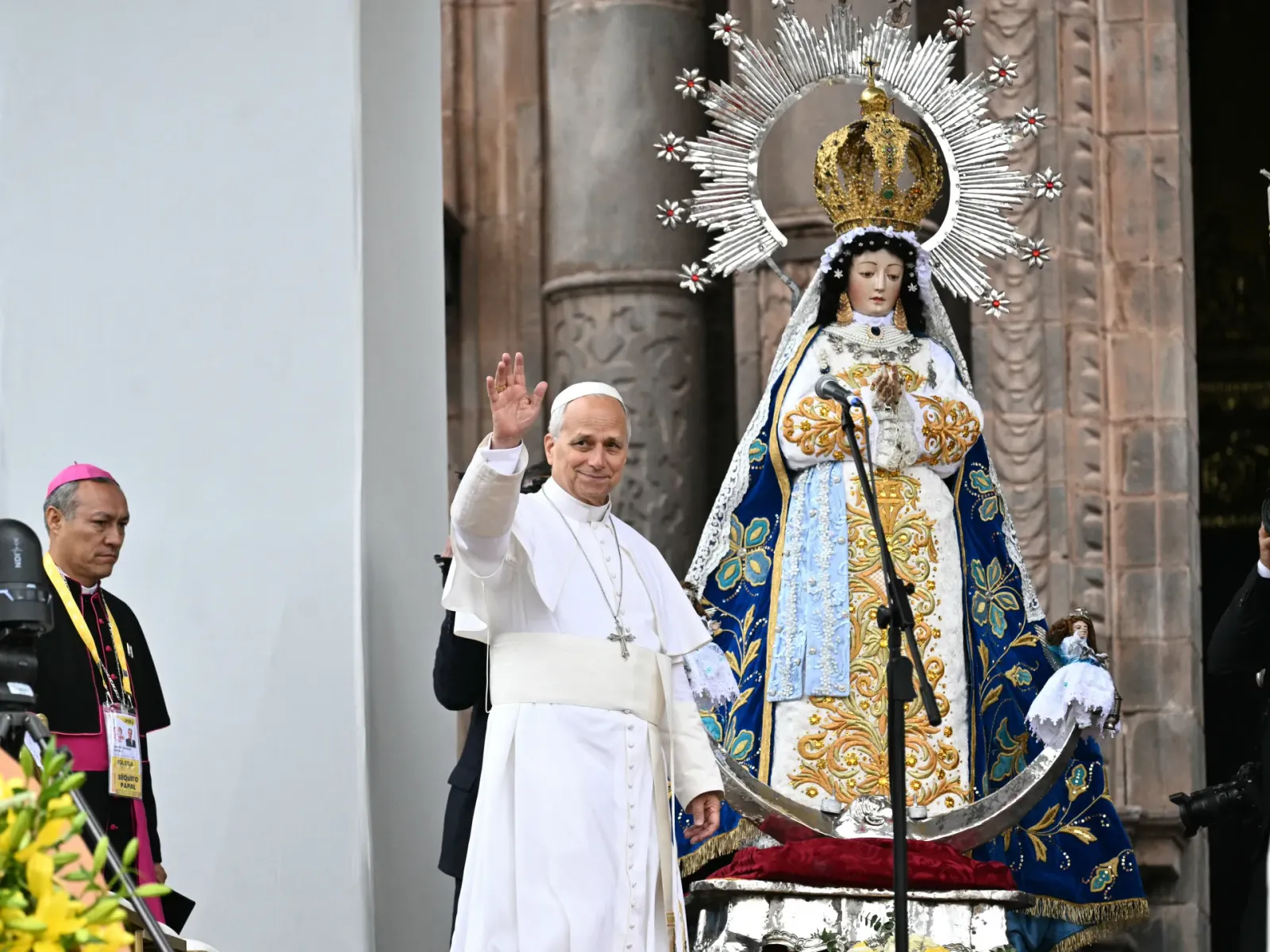 Photo: Al Jazeera
Key points
Pope Leo XIV visited Peru's Andes and Amazon on 15 November, denouncing violence against Indigenous land defenders and reinforcing environmental teachings.
Pope Leo XIV travelled across Peru on Sunday, visiting the Andean city of Cusco and the Amazonian city of Pucallpa, as the plight of Indigenous peoples and the protection of the environment took centre stage on his South American odyssey. On the penultimate day of his visit to his adopted homeland, Leo channeled Pope Francis by emphasising Catholic teaching that links care for the most vulnerable with care for God's creation.
The 71-year-old pope spent the morning in Cusco, the former capital of the Inca Empire, delivering a speech at the Indigenous fortress of Saqsaywaman. He praised the region's traditional festivities and processions, which often blend Indigenous and Catholic spirituality. "The future of these traditions lies not only in preserving what has been handed down, but also in passing it on in a living way," he said. Huge crowds packed Cusco's central Plaza de Armas to greet him.
Cusco's traditional welcome
The visit to Cusco, a high-altitude city some 3,400 metres (more than 11,000 feet) above sea level, tested the pope's stamina as he continues to recover from lung cancer surgery. Leo sat in the chair of his popemobile during part of the ride around Cusco, but it wasn't clear if that was to preserve his energy or to steady himself on the uneven streets. In general, he has shown no sign of fatigue since the trip began on November 6.
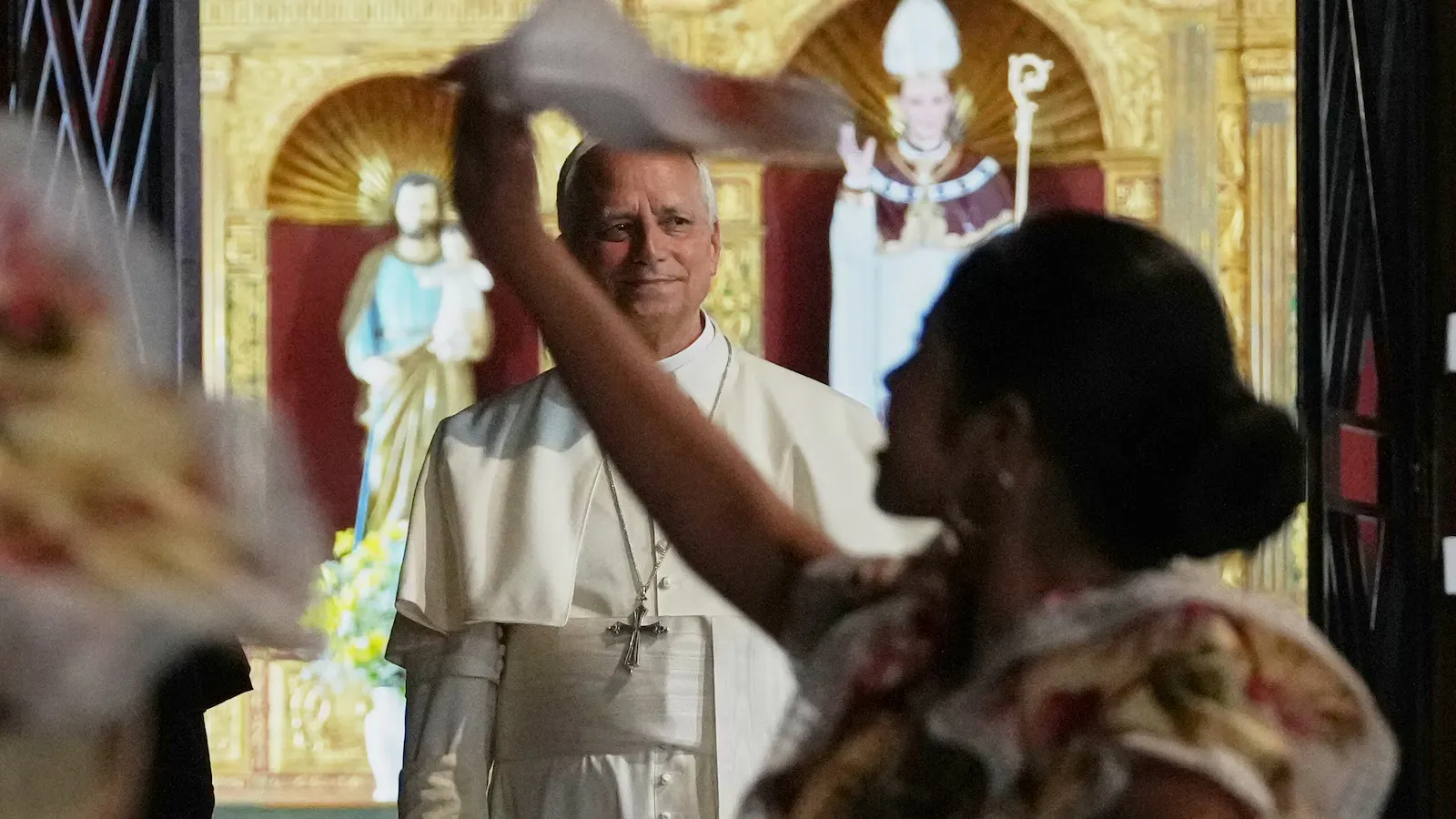
Spectators at the archaeological site were treated to a performance of "Los Pablitos," which translates to "The Little Pauls" but refers to the Ukukus (or Pabluchas). They are mythical half-man, half-bear figures who serve as the traditional guardians and peacekeepers during the Pilgrimage to the Sanctuary of the Lord of Qoyllurit'i in Cusco. Many people wore traditional Andean hats and colourful wool vests, while others wore plastic ponchos against a drizzling morning rain.
"It is all worth it," said Margarida Salomon, 63, who said she came from Sucre in Bolivia to see the pontiff, spending about $500 to take a bus, sleep in a tent and eat Peruvian food from stalls. "I am still getting to know this pope, but the fact he is here in the Andes means a lot." Leo is the first Peruvian citizen to become pope, having acquired Peruvian citizenship in 2015 after years living in the country.
Amazon's environmental threats
In the afternoon, Leo flew to Pucallpa, a rainforest city of 434,000 people on the banks of the Ucayali River, considered a gateway to the Peruvian Amazon. There, he reinforced his late predecessor Pope Francis's teachings on protecting the environment. He also denounced the violence faced by Indigenous land defenders, who use their advocacy to confront deforestation, pollution and the threat of Indigenous expulsion. "Many Indigenous leaders have been murdered for defending their territories," Leo said.
Illegal gold mining has become an increasingly lucrative business in the Amazon, devastating forests and polluting rivers. Miners use makeshift suction dredges and mercury, a toxic metal, to extract gold. "This global context of war and conflict has contributed to gold prices rising to historic highs, and the direct impact of this is that gold — which is present in all Amazonian rivers — can be extracted using mercury," said Raphael Hoetmer, Western Amazon program director at Amazon Watch.
On Saturday, police reported three operations against illegal mining in Madre de Dios, one of the country's most biodiverse regions. They said they destroyed extraction equipment, including rafts and motors, valued at $4.1 million. Illegal mining also drives deforestation and encroaches on Indigenous territories, threatening ancestral lands and exposing communities to violence and organised crime. Mining has also led to a water crisis in Peru, with pollution leading to an increased risk of heavy metal poisoning.
Church's commitment to Indigenous
"The church in Peru perceives the continuity of his commitment to accompany Indigenous peoples in the defense of life and the care of the territory, which is increasingly threatened by deforestation and illegal mining," Peruvian Cardinal Pedro Barreto, president of the Amazon bishops conference, told The Associated Press. "Leo is clearing the path laid out" by Francis on environmental protection and human rights, Barreto said. Leo is also expected to address sexual violence against Indigenous women and girls.
The Rev. Luca Zanta, one of the visit's organisers, said Leo would "primarily listen to the Amazonian Indigenous peoples, including the Shipibo, Asháninka and Kukama communities" gathered beside Lake Yarinacocha. Zanta said Leo would lead a symbolic planting of a shihuahuaco, a native rainforest tree that can live for more than 1,000 years. "That is a symbol of how we want our common house to be," Zanta said on local radio Saturday. Leo is expected to return to Rome on Monday.
Frequently asked questions
What did Pope Leo XIV do in Peru on 15 November?
He visited Cusco in the Andes and Pucallpa in the Amazon, praising traditional festivities, denouncing violence against Indigenous land defenders, and reinforcing environmental teachings.
Why is Pope Leo's visit to Peru significant?
Leo is the first Peruvian citizen to become pope, and the visit is an emotional return to his adopted homeland, where he served as bishop of Chiclayo.
What environmental issues did the pope address in Pucallpa?
He reinforced teachings on protecting the environment and Indigenous communities threatened by illegal mining, deforestation, and pollution, echoing Pope Francis's messages.