Russia and Ukraine agree Oleshky ceasefire starting October 27
Ukraine and Russia agreed on 23 October to a ceasefire in Russian-occupied Oleshky starting October 27, brokered through Melania Trump, with trilateral peace talks planned for November in Abu Dhabi.
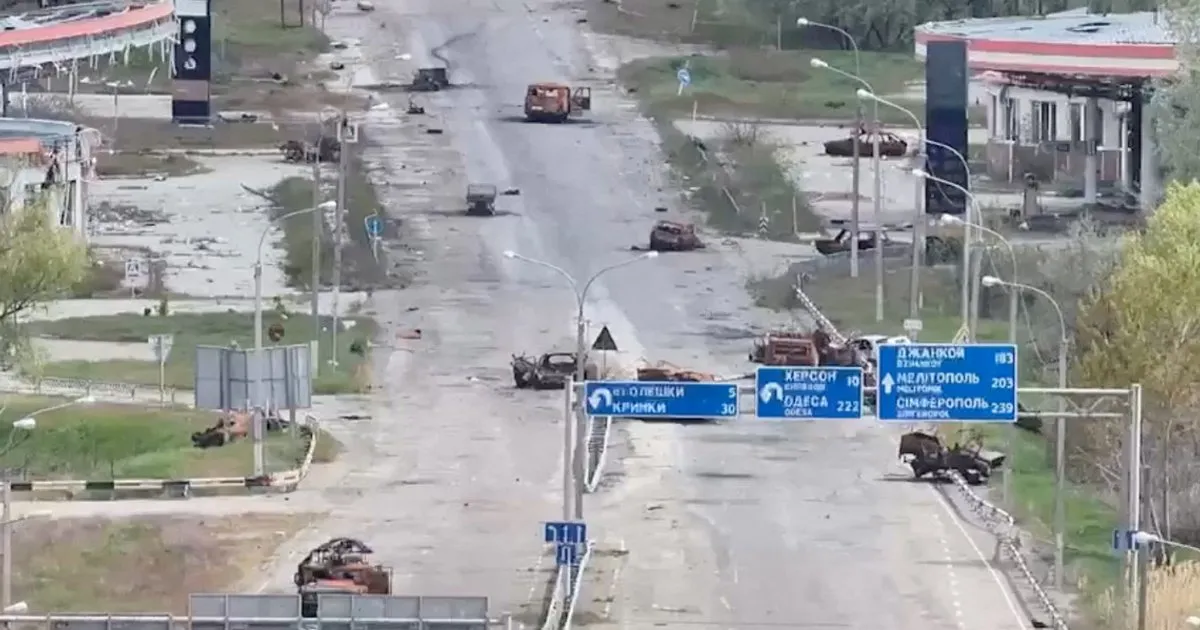 Photo: The Straits Times
Key points
Ukraine and Russia agreed to a ceasefire in Russian-occupied Oleshky starting October 27 to allow humanitarian aid and civilian evacuations, with peace talks planned for November.
Ukraine and Russia agreed on 23 October to a ceasefire in the Russian-occupied Ukrainian town of Oleshky, brokered through US first lady Melania Trump, with the halt in fighting set to begin on October 27. Ukrainian President Volodymyr Zelenskiy said peace negotiators from Ukraine, Russia and the United States would meet in the first half of November in Abu Dhabi for technical-level talks.
The agreement matters because Oleshky's remaining residents — elderly people facing a deepening food crisis, with shortages of food, water and electricity — have faced what the White House called a front-line city on the brink of disaster. Unlike previous rounds of negotiations that failed to produce a breakthrough, this deal sets a specific date for a humanitarian halt to fighting and opens a path to trilateral talks in November, which the Kremlin said were expected to resume in Abu Dhabi.
Why Oleshky's crisis forced the deal
The White House said both sides agreed to temporarily stop all military action in Oleshky to allow humanitarian aid to enter and to prepare a civilian evacuation through a designated safe passageway. Melania Trump initiated discussions over the local ceasefire, and a representative worked directly with Russian and Ukrainian leadership to define the terms. Both sides said Trump played an important role in coordinating the agreement.
Oleshky sits across the Dnipro River from the Ukrainian-held city of Kherson and has been occupied by Russian forces since February 2022, the first day of the full-scale invasion. The White House said 1,700 to 2,000 residents remain, down from 24,000 before the war. Buildings were shelled and burnt, and in June 2023 floodwaters inundated the city after the Kakhovka Dam collapsed, killing hundreds of residents.
Russian chief of the general staff General Valery Gerasimov said Russian forces would cease fire on the Kherson axis from 4 a.m. Moscow time on October 27 in connection with the humanitarian operation near Oleshky. Russian forces would carry out engineering reconnaissance and ensure safe movement of the humanitarian convoy into the city. Ukraine's human rights ombudsman Dmytro Lubinets confirmed the October 27 date.
How the ceasefire will operate
Lubinets said the operation would involve demining roads leading into the town, delivering food and evacuating civilians. He said a sufficient quantity of humanitarian aid would be delivered to meet the needs of everyone who requires it, and that Ukraine was working to ensure the effort was not a one-off event limited to Oleshky alone. Melania Trump said civilian leaders from both sides would visit residents to determine what assistance they need.
Zelenskiy said negotiators from Ukraine, Russia and the United States had agreed to technical-level meetings in the first half of November in Abu Dhabi. A US official later said the three countries may hold talks in a couple of weeks in Abu Dhabi or Switzerland. Kremlin spokesperson Dmitry Peskov said trilateral talks were expected to resume in Abu Dhabi in November. Zelenskiy said he hoped a leaders' meeting would follow.
Zelenskiy's comments followed a meeting with US presidential envoy Steve Witkoff in Norway and a subsequent meeting between Witkoff and Putin in St Petersburg. Zelenskiy said any peace agreement would need strong security guarantees for Ukraine and funding for 10 years to maintain the Ukrainian army. He said much would depend on Russia, noting that a similar meeting expected in October had not materialised, and that Europe should also be involved.
What remains disputed and unresolved
Ukrainian officials said Starlink speed restrictions remained in place, capped at about 100mph since October 13, despite Trump's previous statement that services had been fully restored. Serhii Beskrestnov, a military expert advising Zelenskiy, said no lifting of the restrictions had been observed. The slowdown has prevented drones from maintaining a connection to the network at high speeds, hampering offensive operations and efforts to intercept incoming attacks.
Ukraine's lead negotiator thanked Melania Trump but said the deal would be extremely challenging to implement. Despite the White House's statement that Trump brokered the ceasefire, Ukrainian officials had previously said Russia rejected earlier calls for one, and as recently as 18 October Lubinets said agreement was close without mentioning the first lady's involvement. Pope Leo had spoken in the past week to both Zelenskiy and Putin about the town.
Ukraine and Russia on 23 October swapped 270 servicemen each in a prisoner exchange, the first such swap since August, which Zelenskiy called a very important result. Ukraine's acting prosecutor Anton Kovalskyi said more than 19,000 Ukrainian civilians, including 762 children, had been killed since the full-scale war began, with 2,960 civilian deaths confirmed in 2026 alone, including 668 children. The ceasefire takes effect on October 27.
Frequently asked questions
When does the Oleshky ceasefire take effect?
The ceasefire takes effect on October 27 at 4 a.m. local time, allowing humanitarian aid deliveries and civilian evacuations through a designated safe passageway, according to both Russian and Ukrainian officials.
Why is Oleshky in humanitarian crisis?
Oleshky has been under Russian occupation since February 2022. Only 1,700 to 2,000 residents remain, down from 24,000 before the war, facing severe shortages of food, water and electricity, with some surviving on weeds and boiled grass.
When and where will peace talks take place?
Negotiators from Ukraine, Russia and the United States agreed to technical-level meetings in the first half of November in Abu Dhabi. A US official said talks may also take place in Switzerland, and Zelenskiy hopes a leaders' meeting will follow.