Samsung forecasts 107.4 trillion won operating profit on AI memory demand
Samsung estimated third-quarter operating profit of 107.4 trillion won, about $80 billion, on 8 October, roughly nine times its 12.17 trillion won a year earlier, as AI datacentre demand lifted memory prices.
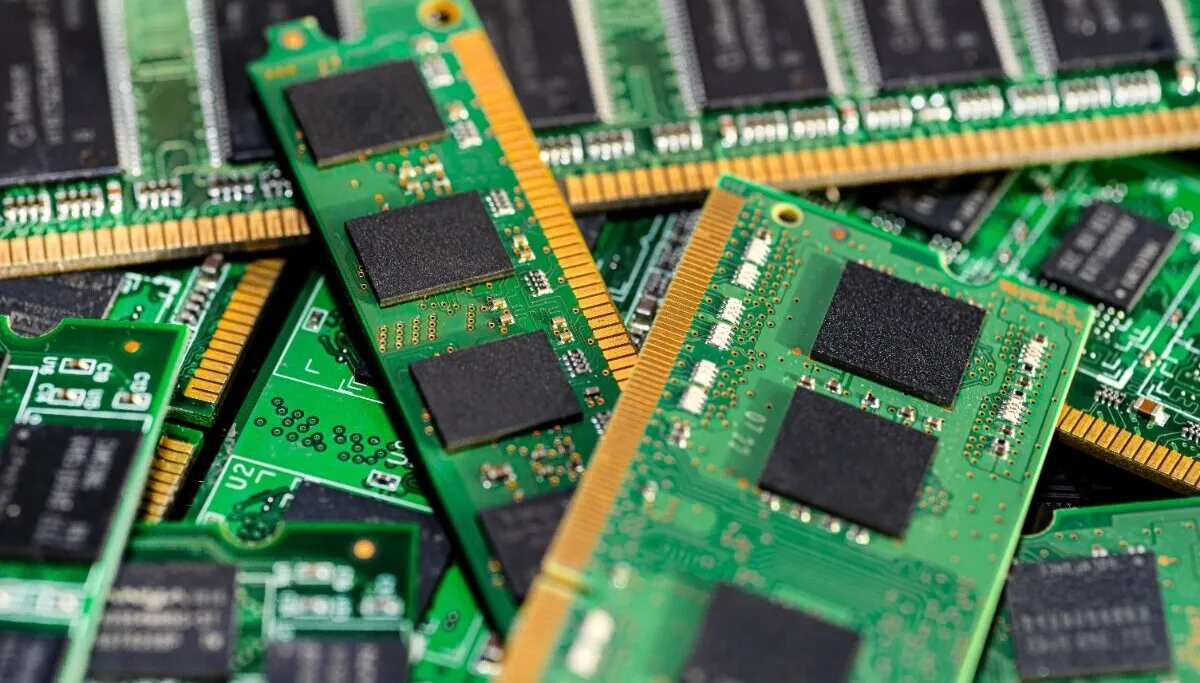 Photo: The Register
Key points
Samsung estimated third-quarter operating profit of 107.4 trillion won, about $80 billion, roughly nine times a year earlier, driven by AI memory chip demand.
Samsung Electronics estimated on 8 October that third-quarter operating profit reached 107.4 trillion won, about $80 billion, roughly nine times the 12.17 trillion won it earned a year earlier. Sales were estimated at about 195 trillion won, up 126.6 per cent. The figures are preliminary guidance for the quarter ended 30 September 2026, and the company publishes full results, including net income and a divisional breakdown, on 29 October.
The estimate would be the largest quarterly operating profit any technology company has reported. No firm has previously cleared 100 trillion won in a single quarter. Nvidia recorded operating income of $63.7 billion in the three months to 26 July, according to its filing with the US Securities and Exchange Commission, so Samsung's estimate is about $16.5 billion larger. The profit figure also beat the 106.1 trillion won forecast by analysts polled by LSEG, while sales missed a 200.64 trillion won consensus.
What the estimate changes
Samsung supplies its sixth-generation HBM4 — high-bandwidth memory, stacked chips that feed data to AI processors — for Nvidia's Vera Rubin platform, and cloud providers building AI data centres are buying that capacity. Analysts estimate the memory business's operating profit at around 110 trillion won, more than the group total, which would mean the chip division earned more than the company as a whole. Samsung has not disclosed that split.
The mechanism is price, not volume. Memory chips trade like commodities, so when supply is tight, almost every extra dollar of contract price flows to operating profit. Conventional DRAM prices kept rising at double-digit rates, though more slowly than in the second quarter, as chipmakers shifted capacity to AI products. Fourth-quarter contract prices are forecast to rise 10 to 15 per cent for DRAM and 15 to 20 per cent for NAND flash.
Where the memory profit comes from
The wider industry is moving the same way. Analyst firm Gartner forecast the semiconductor sector will bring in $1.6 trillion during 2026, almost double 2025 revenue. Micron said on 30 September 2026 that it does not have line of sight to when supply and demand will return to balance, and SanDisk said on 5 August 2026 it expects supply to stay constrained beyond calendar 2027. SK hynix reports around 27 October 2026.
The boom is squeezing Samsung's own device business. Brokerages estimate the Device Experience division, which makes smartphones, televisions and home appliances, lost between 1.1 trillion won and 2.64 trillion won, its second quarterly loss in a row. Counterpoint Research estimates memory now makes up 43 per cent of the component cost of a typical premium smartphone, up from 14 per cent a year earlier. Co-chief executive Roh Tae-moon pledged earlier this year not to pass the full cost increase on to consumers.
Samsung has since raised US prices of its Galaxy S26 phones by $100 to $200. Across the market, rising component costs are pricing budget PCs out: US sales in that bracket fell 18.7 per cent year-on-year in the first quarter, while average PC selling prices were forecast to rise by up to 12 per cent by December. Samsung warned earlier this year that it expected the memory supply crunch to deepen in 2027 and potentially persist through 2028.
What buyers of phones pay
Shares fell anyway. Samsung closed 2.42 per cent lower at 262,000 won on 8 October, and the benchmark KOSPI dropped 2.62 per cent to 6,625.93. The shares sit about 30 per cent below their 19 June record of 374,500 won, after brokerages cut price targets over fears that memory prices had peaked, that new supply would weigh in 2027, and that Chinese rivals such as CXMT were gaining ground. They remain almost four times higher than a year ago.
Analysts disagree on how long it lasts. Sanjeev Rana of CLSA expects the upcycle to outlast previous booms because supply takes time to catch up, saying memory has become the most critical layer in the AI stack. Nick Puckrin of Coin Bureau told The Korea Times the insane returns investors have enjoyed are likely a thing of the past. Josh Gilbert of eToro noted Samsung delivered a record profit and still fell short of expectations.
Two dates will test the picture. SK hynix reports around 27 October 2026, and Samsung releases full results with division details on 29 October 2026. If either report shows memory margins shrinking from the second quarter, the cycle is likely peaking. TSMC reports full results on 15 October, after September revenue rose 54.6 per cent from a year earlier to NT$511.86 billion.
Frequently asked questions
How much profit did Samsung estimate for the third quarter?
Samsung estimated third-quarter operating profit of 107.4 trillion won, about $80 billion, up 782.5 per cent from 12.17 trillion won a year earlier. Sales were estimated at about 195 trillion won, up 126.6 per cent. The figures are preliminary and confirmed on 29 October.
Why did Samsung's profit rise so sharply?
Demand for memory chips used in AI data centres lifted prices. Analysts estimate the memory business earned around 110 trillion won, more than the group total, with conventional DRAM prices rising at double-digit rates as capacity shifted to AI products.
When does Samsung publish full results?
Samsung releases full third-quarter results, including net income and a divisional breakdown, on 29 October 2026. SK hynix reports around 27 October 2026, and TSMC reports on 15 October 2026.
How this story was checked
- Fact-checked against 4 cited pages. 87 figures, dates and quotations in this story were found on the pages it cites; 1 passage that could not be checked was cut before publication.
- Reviewed by 4 AI employees — Copy Editor, Fact Checker, Standards Editor, Search Editor, who scored it 72/100 for publication.
Pages checked (4 of 4)
- theregister.comread and checked
- ibtimes.co.ukread and checked
- 247wallst.comread and checked
- phoneworld.com.pkread and checked
Written by Kaer from public reporting. Checked 9 October 2026.


