Sanofi agrees $41 billion cash deal to buy US biotech Insmed
Sanofi will pay $175 a share, about $41.0 billion in cash, for U.S. biopharmaceutical company Insmed and its two respiratory medicines, a 46% premium to its 18 November 2026 close.
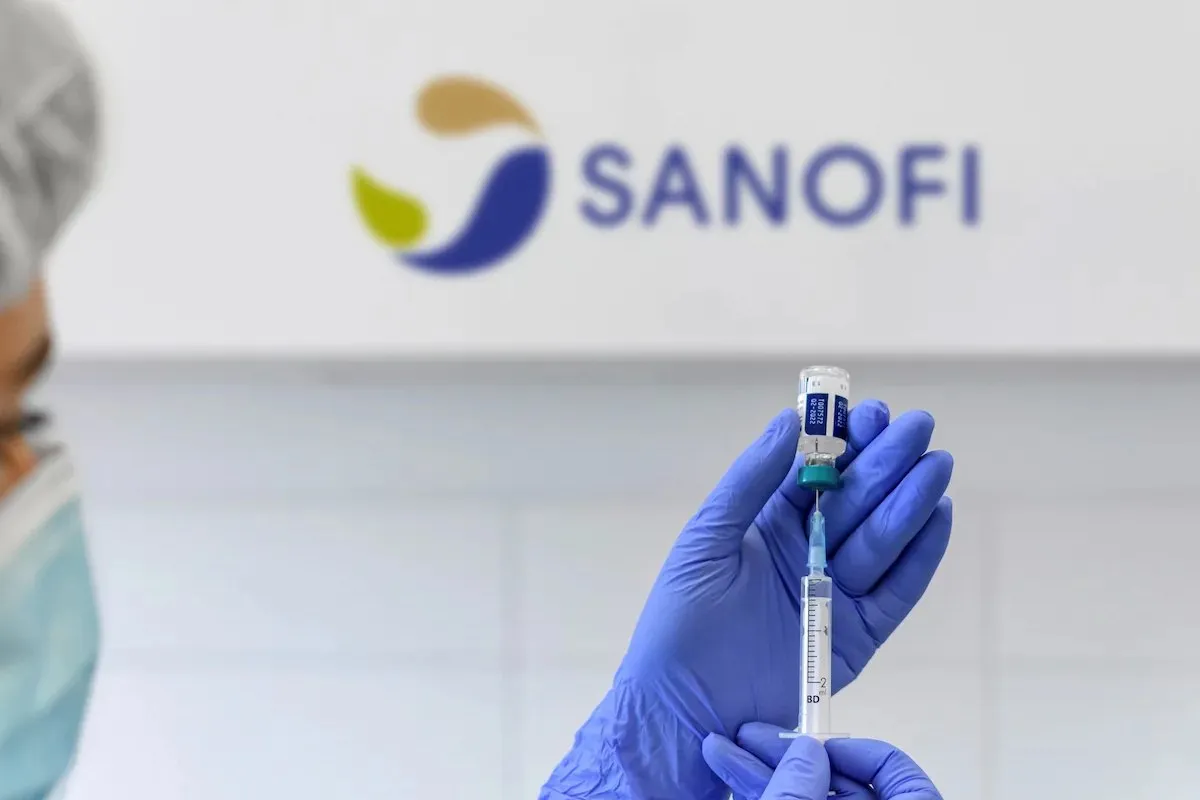 Photo: Ideal Investisseur
Key points
Sanofi has agreed to acquire Insmed for $175 a share in cash, about $41.0 billion, to add two respiratory medicines as Dupixent's patent expiry nears.
Sanofi has agreed to buy Insmed, a U.S. biopharmaceutical company, for $175 a share in cash, a total of about $41.0 billion (€37.6 billion), the French drugmaker said on 24 November 2026. The boards of both companies approved the merger agreement, which values Insmed at a premium of about 46% to its unaffected closing share price on 18 November 2026, the day before media reports of a possible transaction.
The deal is Sanofi's largest bet on respiratory medicine and its answer to a patent problem. Dupixent, Sanofi's biggest-selling drug, generated €5.7 billion in the third quarter of 2026, up 34.8% at constant exchange rates. That was nearly 40% of the company's quarterly revenue, and the U.S. patent covering its active ingredient expires in March 2031.
What Sanofi is buying
Insmed brings two medicines already on the market. Brinsupri, known generically as brensocatib, is a once-daily oral inhibitor of dipeptidyl peptidase 1, an enzyme that drives neutrophilic inflammation. It is approved in the U.S., EU, UK and Japan for non-cystic fibrosis bronchiectasis, a chronic lung condition in which airways widen and fill with mucus, and is the first approved treatment for it.
Brinsupri launched in the U.S. in August 2025 and reached blockbuster status within a year, delivering $1.09 billion in revenue through 30 September 2026. Insmed's results published on 29 October 2026 forecast annual Brinsupri sales of between $1.35 billion and $1.4 billion. The drug is a small molecule, meaning a chemical compound rather than a biological protein, and it is taken by mouth once a day.
The second marketed product is Arikayce, an inhaled antibacterial given with multidrug therapy to certain adults with mycobacterium avium complex lung disease, an infection that damages the lungs. Arikayce generated $433.8 million in sales in 2025, up 19% year on year, and Insmed forecasts $460 million to $470 million for the year. The U.S. Food and Drug Administration accepted a priority-review application for it in September.
The Dupixent patent cliff
Sanofi's need for new growth is set by Dupixent's expiry. When presenting results on 30 October, Belén Garijo, Sanofi's chief executive, identified preserving profit as the drug loses exclusivity as a strategic priority. The company has been building a case for deals that add marketed or late-stage medicines rather than early research bets, and Insmed's two approved products fit that description.
Garijo framed the purchase as a pipeline play as well as a revenue one. "This acquisition is a major strategic step to significantly accelerate our mid- and long-term growth trajectory and further strengthen our mid- and early-stage pipeline," she said. Will Lewis, Insmed's chair and chief executive, said the transaction "delivers immediate, certain cash value for Insmed shareholders".
Beyond the two marketed drugs, Insmed brings treprostinil palmitil inhalation powder, or TPIP, a once-daily inhaled prostanoid in phase 3 trials for pulmonary hypertension and fibrotic lung disease. Sanofi said TPIP could become a significant growth driver beyond 2030, subject to clinical success and regulatory approval. Insmed also brings earlier-stage immunology and rare-disease programmes.
Price and premium
The price works out at about 22 times the combined 2026 sales forecasts for Brinsupri and Arikayce, according to Insmed's own guidance of $1.35 billion to $1.4 billion and $460 million to $470 million. Garijo told the press that the combined maximum sales potential of the portfolio could exceed $10 billion by the end of the next decade, so much of the value rests on growth that has not yet happened.
Sanofi will finance the purchase with debt and available cash and says it has already obtained firm financing commitments. It expects the deal to add to earnings per share by the end of 2028 and says it retains capacity for early-stage deals while maintaining its progressive dividend policy and a strong credit rating. The premium is 17.5% over Insmed's latest closing price.
What happens next
Completion is not yet certain. The deal needs a vote by Insmed's shareholders, U.S. regulatory approvals and approvals from certain countries outside the United States, plus other customary conditions. Sanofi expects to close the acquisition in the first half of 2027. Until then, Insmed continues to sell Brinsupri and Arikayce as a standalone company.
Frequently asked questions
How much is Sanofi paying for Insmed?
Sanofi will pay $175 per Insmed share in cash, a total equity value of about $41.0 billion, or €37.6 billion. That is a premium of about 46% to Insmed's unaffected closing share price on 18 November 2026.
Why is Sanofi buying Insmed?
Sanofi wants growth beyond Dupixent, whose U.S. active-ingredient patent expires in March 2031 and which produced €5.7 billion in the third quarter of 2026, nearly 40% of quarterly revenue. Insmed adds the respiratory drugs Brinsupri and Arikayce and a phase 3 pipeline.
When will the Sanofi-Insmed deal close?
Sanofi expects to complete the acquisition in the first half of 2027. Completion depends on a vote by Insmed shareholders, U.S. regulatory approvals and approvals from certain countries outside the United States, plus other customary conditions.