Serbia's speaker sets presidential election for December 27
Parliament Speaker Aleksandar Cupic signed the decision on 26 November calling Serbia's presidential election for 27 December 2026, one day before the statutory deadline.
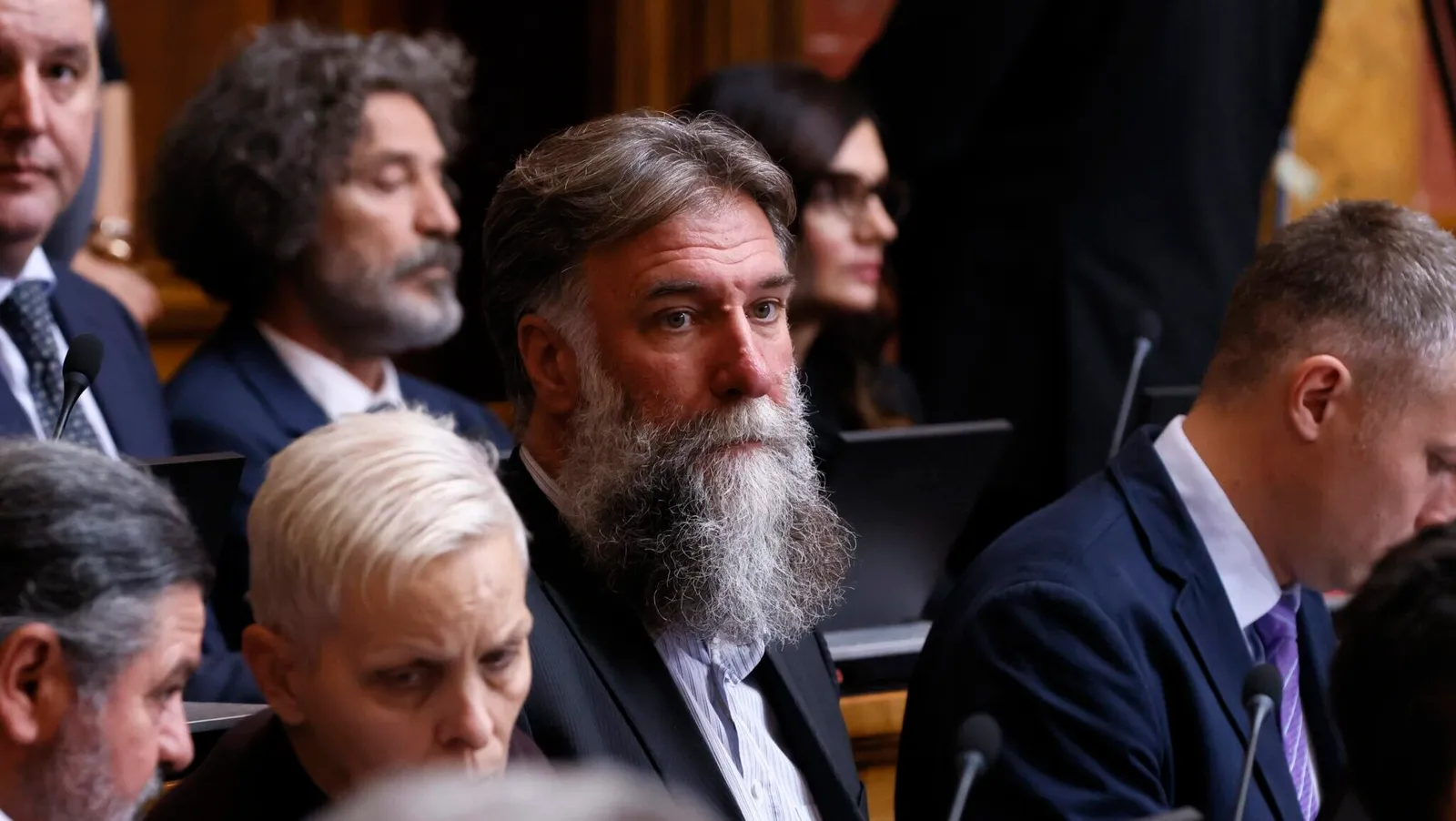 Photo: Balkan Insight
Key points
Serbia's parliament speaker, Aleksandar Cupic, scheduled the presidential election for 27 December 2026, one day before the statutory deadline.
Serbian Parliament Speaker Aleksandar Cupic signed the decision calling the country's presidential election for Sunday, 27 December 2026, at noon on 26 November. Cupic said the document would enter into force on the day of its publication in the Official Gazette of the Republic of Serbia. The vote follows the resignation of former president Aleksandar Vucic and the defeat of his party in October's parliamentary elections.
The election was called one day before the statutory deadline. Under Article 10 of Serbia's Law on the Election of the President of the Republic, if a president's term ends early, an election must be scheduled so that voting takes place no later than three months after the mandate ends. Between 30 and 60 days must pass between the official announcement and polling day, which must fall on a non-working day. The decision takes effect when it is published in the Official Gazette.
Why the date was set now
Vucic resigned as Serbia's president on 27 September, aiming to run for prime minister in the snap elections held on 25 October. The coalition led by his Serbian Progressive Party, the SNS, lost that vote. He is now a member of parliament and chairman of the "Serbia Wins" parliamentary group, while Cupic serves as acting president of Serbia.
The Student List won the 25 October snap parliamentary elections and secured 140 of parliament's 250 seats. Ilija Srdanovic, leader of the "Students Win" electoral list, said on 25 November, after the inaugural session of the new parliament, that the Student List would unveil its presidential candidate immediately after the election was officially called.
Cupic framed the vote as a test of institutions. "Building democratic institutions is a task for all of us, particularly political actors and the media," he said. He added: "I call on all citizens of the Republic of Serbia to demonstrate responsibility and go to the polls on December 27, so that the will of the people can produce a president with strong legitimacy."
Vucic calls for a boycott
Vucic, who now heads the SNS-led parliamentary group, has called for a boycott of the presidential election, though his party has yet to announce its final decision. On 25 November he described the coming vote as "the most pointless election in history", according to news agency Tanjug. He said he personally leaned towards "not granting them that kind of legitimacy".
Vucic said his party holds different views. "Some want us to support an independent candidate, some want us to field our own candidate, while others, like me, want us to simply ignore the election," he said, adding that he would await the party's decision. The SNS will make its final decision on whether to boycott at its assembly on 13 December, two weeks before polling day.
The SNS's 14 years of rule were marked by allegations of corruption, nepotism, electoral irregularities, a lack of the rule of law and restrictions on media freedom, issues also highlighted in the European Union's regular reports. Since its defeat, the party has accused the Student List of using "revolutionary terror" and seeking to arrest SNS officials and supporters, even though the SNS still officially controls the government.
What the president can do
The Student List has so far only constituted the new parliament, where SNS representatives have accused it of not providing the party with sufficient space and of denying it any leadership positions within parliamentary bodies. No new government has been formed yet, leaving the SNS formally in charge of the executive while the presidency is held in an acting capacity by Cupic.
The president of Serbia has a largely ceremonial role, while executive power is exercised by the government and the prime minister. The head of state does have the right to propose the candidate for prime minister after consultations with political parties, and to appoint and dismiss army commanders. That gives the 27 December vote weight beyond ceremony, whichever candidate wins it.
The SNS will make its final decision on whether to boycott at its assembly on 13 December, two weeks before polling day. The Student List has said it will present its candidate shortly after the election was called. Both decisions will shape a contest that Vucic has described as already decided, and that Cupic has asked voters to treat as open.
Frequently asked questions
When is Serbia's presidential election?
Serbia will hold its presidential election on Sunday, 27 December 2026. Parliament Speaker Aleksandar Cupic signed the decision calling the vote at noon on 26 November, one day before the statutory deadline.
Why is Serbia holding a presidential election?
Former president Aleksandar Vucic resigned on 27 September, aiming to run for prime minister in the 25 October snap elections. Under Article 10 of Serbia's Law on the Election of the President, a vote must be scheduled so polling takes place no later than three months after the mandate ends.
Is Aleksandar Vucic boycotting the election?
Vucic has called for a boycott and described the vote as "the most pointless election in history", but the Serbian Progressive Party has not made a final decision. It will decide at its assembly on 13 December.