Signal blocks screenshots on Android and iOS to stop AI agents reading chats
Signal restricted screenshots in its app on Android and iOS on 20 November, saying operating-system AI agents that scan the screen undermine its privacy guarantees.
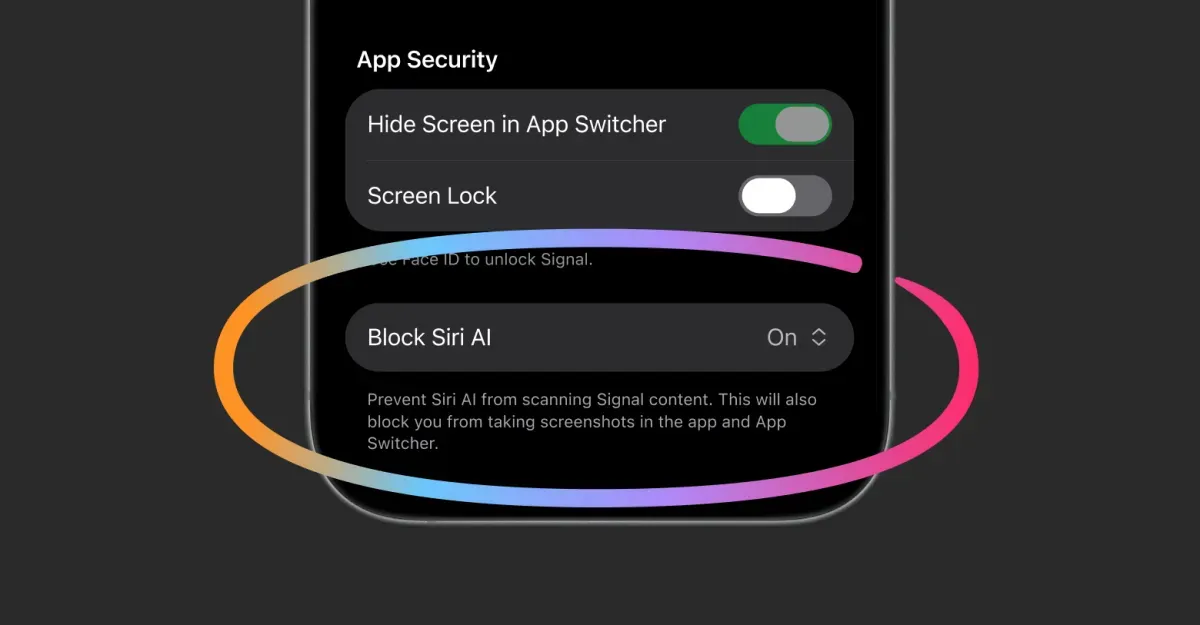 Photo: The Verge
Key points
Signal now blocks screenshots in its app on Android and iOS so operating-system AI agents cannot read on-screen chats, though it calls the fix incomplete.
Signal restricted the ability to take screenshots in its messaging app on Android and iOS devices on 20 November, aiming to stop AI agents built into phone operating systems from reading users' messages. Signal president Meredith Whittaker announced the change in a blog post, writing that agentic AI features which analyse on-screen information are "undermining Signal's ability to independently guarantee privacy."
The restriction targets the point where Signal's encryption stops protecting a message. Once a chat is displayed on a screen, an operating-system agent can scan the visible text to answer a question or carry out a task. Signal says those captures can be stored in a local database or on a remote server used by the agent, outside Signal's control, potentially exposing every participant in a conversation.
Where encryption stops
On iOS 27, Signal blocks screenshots inside the app and adds a setting labelled Block Siri AI, which the announcement shows switched on. On Android, the approach is conditional: Signal automatically turns on its Screen Security feature when it detects an AI assistant attempting to access the screen, rather than applying one screenshot rule across every Android distribution. Users can switch the protection off to keep taking screenshots.
Whittaker warned that restoring screenshots will "potentially expose your (and your contacts') Signal content to these AI agents, and break our privacy guarantees." Signal's own description of the mechanism is blunt: to learn about a user, operating-system agents "scan" the information on the screen, and Signal data is captured and made available to those agentic systems so they can answer questions and perform tasks.
The trigger for the change is the spread of screen-reading assistants. Apple said on 14 September 2026 that Siri AI was beginning to roll out in English beta with its 2027 software releases, including onscreen awareness to answer questions or act on content visible on a screen. Google's Gemini documentation says screen actions can upload information visible on the screen or in a file for context.
The gaps Signal admits
Signal calls its own remedy incomplete. Blocking screenshots leaves other routes open, including retrieval of content already stored on a device through the filesystem. The gap is widest on macOS 27, where Signal says it cannot reliably block screenshots and cannot apply the continuous-capture protections to the screenshots most agentic systems use. It recommends adding Signal under System Settings, then Siri, then Excluded Apps.
The Android design reflects differences between vendor versions of the operating system. On many of them, Signal cannot reliably detect a screenshot attempt when screenshots are already disabled. The company chose to detect assistant access instead, so screenshots do not simply stop without explanation, but that choice leaves some Android devices without coverage. The Electronic Frontier Foundation documented Apple's iOS 27.2 Excluded Apps control on 28 October 2026.
Signal has used a version of this defence before. On 21 May 2025 it enabled Screen security by default on Windows 11, using a digital rights management window flag so screenshots of Signal Desktop appear blank and Microsoft Recall cannot capture their contents. That control was local to each computer, required a warning and confirmation to disable, and could interfere with accessibility software such as screen readers and magnification tools.
What Signal asked platforms for
Signal is asking Apple, Google and Microsoft for a documented way to opt apps out of AI access and processing across screen reading, filesystem access, notifications and other operating-system frameworks, without undermining core utility. It also wants accurate technical documentation of how agents access and process data. Whittaker wrote that the companies "do not provide ways for developers to easily restrict such AI data access without making drastic compromises to the core user experience."
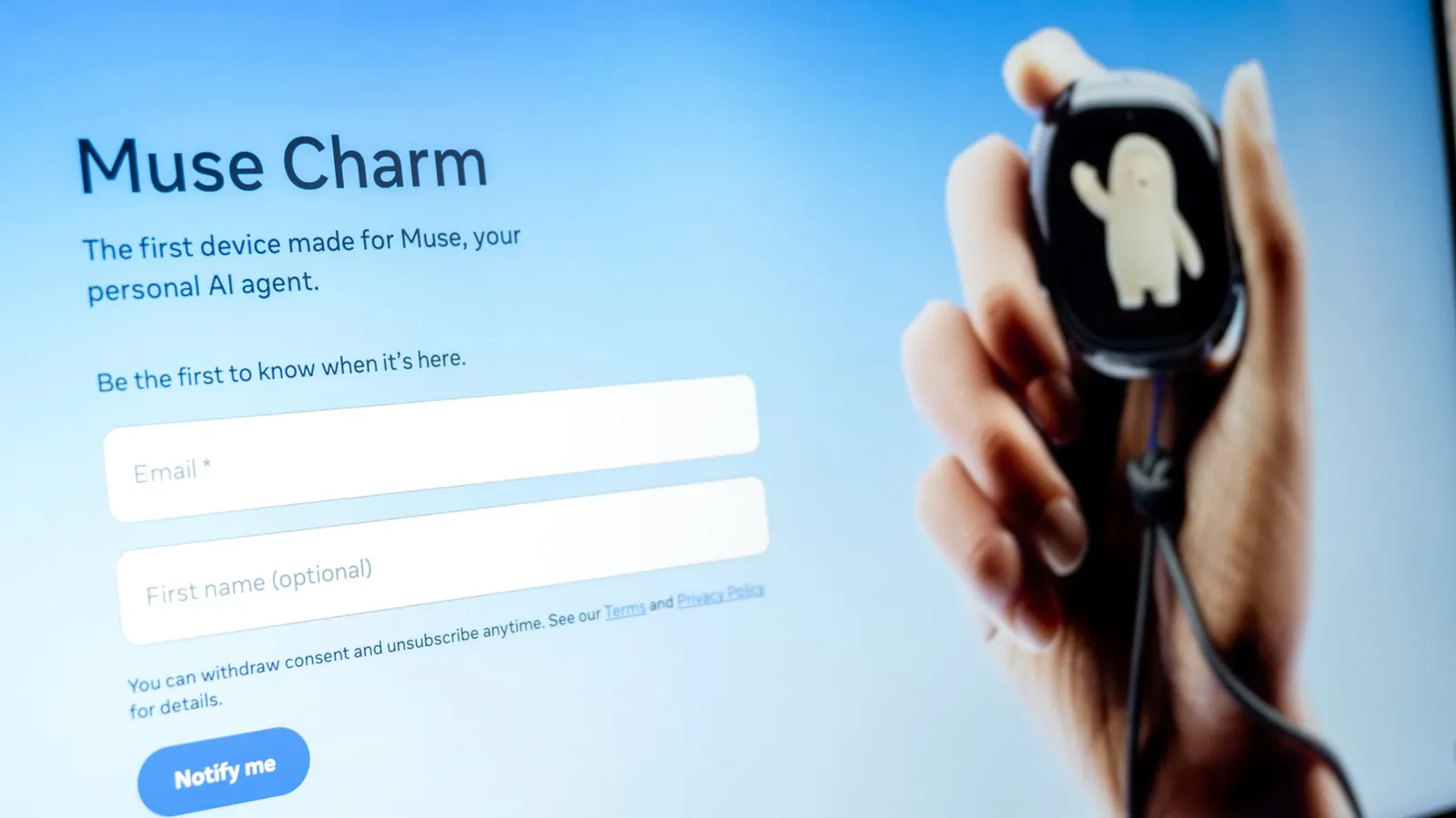
Signal argues that confidential-computing approaches are not a complete answer because providers still control the extent of any privacy guarantees. The same concern applies to third-party agents such as Meta's Muse, where deep setup permissions and accessibility settings meant to help people use apps can provide broad access to application data. Signal describes such settings as working like a "skeleton key" to app data.
Signal said it is discussing standardised approaches for privacy-sensitive apps with Google and Apple and is cautiously optimistic about further changes. Until those controls exist, the defence is partial: Signal can obstruct screenshot capture in some environments, but the privacy boundary it wants depends on tools and documentation that operating-system providers have not supplied.
Whittaker framed the stakes for the wider app ecosystem rather than for Signal alone. "Signal is the canary in the coal mine, but this affects the entire ecosystem and should galvanize anyone who cares about these fundamental rights," she wrote. Signal says it will keep pressing Apple, Google and Microsoft for opt-out tools and documentation while the screenshot restrictions remain in place.
Frequently asked questions
What did Signal change on 20 November?
Signal restricted screenshots in its app on Android and iOS to stop operating-system AI agents such as Siri AI and Gemini from reading on-screen chats. On iOS 27 it adds a Block Siri AI setting; on Android it turns on Screen Security when an assistant tries to access the screen.
Can Signal users still take screenshots?
Yes. Users can restore screenshot capabilities in Signal's app settings, but Whittaker warns that doing so will potentially expose their own and their contacts' Signal content to AI agents and break the app's privacy guarantees.
Why does Signal say the fix is incomplete?
Signal says blocking screenshots does not stop agents retrieving content already stored on a device through the filesystem, and it cannot reliably block screenshots on macOS 27. It wants Apple, Google and Microsoft to provide documented opt-out tools.