Smartphone shipments fall 22% to 255.3 million in worst quarter
Global smartphone shipments fell 22% year-on-year to 255.3 million units in the third quarter, the steepest drop on record, as memory costs surged about 350% since last year, IDC said.
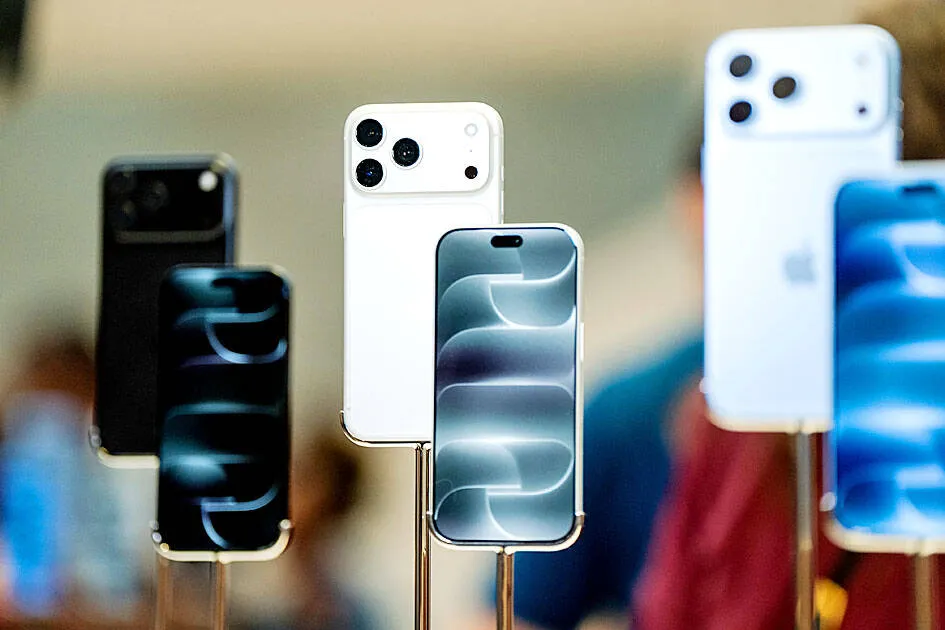 Photo: Taipei Times
Key points
Global smartphone shipments fell 22% year-on-year to 255.3 million units in the third quarter, the steepest decline on record, as memory costs surged about 350%.
Global smartphone shipments fell 22% year-on-year to 255.3 million units in the third quarter, the steepest decline on record, market researcher International Data Corp (IDC) said in a report released on Wednesday. The drop marks the worst quarter the smartphone market has ever recorded, with worse to come, according to IDC's Worldwide Quarterly Mobile Phone Tracker preliminary data.
The crash matters because it signals a structural shift rather than a temporary dip. IDC expects market growth to be constrained through next year, and any recovery in growth would not come until 2028 at the earliest. Device manufacturers are increasingly recognising they are facing a permanent structural change, the report said, as rising costs push vendors toward fewer, pricier handsets.
Why memory costs drove the crash
The mechanism runs from artificial intelligence demand to phone prices. Higher storage costs over the past year, led by demand from artificial intelligence industry orders, have hurt profitability across the mobile sector and forced companies to raise prices, cut back specifications and discard budget-focused models, IDC said. Memory costs have surged approximately 350% since last year and are still rising, IDC research director Nabila Popal said, creating substantial pressure on vendor margins and shipments.
Memory inflation is beginning to slow but remains elevated. Popal said the third quarter saw a low double-digit sequential increase in memory costs, compared with a 50 to 100 percent jump in prior quarters, while costs stay high across other critical components, compounding the crunch. Omdia principal analyst Runar Bjorhovde said no relief to the memory crisis is anticipated before 2028 at the earliest, given a considerable gap between demand and supply.
Chinese brands took the worst hit among the top names. OPPO saw the biggest drop among the top five, with shipments down 34.5% year-on-year, while Xiaomi Corp and Oppo Mobile Telecommunications Corp were hit hardest among leading names. Apple Inc and Samsung Electronics Co fared better due to their larger premium handset portfolios, IDC's preliminary data showed.
Apple and Samsung pull ahead
Samsung remained atop the ranking with 57.8 million units shipped and a 22.6% share, down 5.8% from the year-ago period. Apple came in second with 57.3 million units, leaving a gap of only 500,000 units and 0.2 percentage points in shipment share. Apple's shipments fell 4% year-on-year, the smallest decline among the top five, while its worldwide share rose 23.1% over the same period.
Omdia's independent estimate put the decline at 20% year-on-year, with shipments of roughly 255 million units, close to IDC's figure despite the different annual decline. Omdia said Samsung and Apple now account for about 45% of global shipments, up approximately 8 percentage points from a year ago, as rising costs hit more price-sensitive segments particularly hard.
Omdia expects global smartphone shipments to fall 12% across 2026, followed by another 6% decline next year. The firm previously forecast that devices priced above $400 would prove more resilient and could record shipment growth. IDC also sees little prospect of recovery before 2028 and expects a lasting shift toward higher costs, saying vendors that adapt products and pricing will be best placed to gain share.
What happens next for shipments
New flagship launches, promotions, and festive demand in the fourth quarter are unlikely to fully offset persistent supply-side pressures, Omdia said. The firm reckons buyers may get used to paying more, potentially creating greater opportunities for higher-value devices, and outlined measures some phone makers are taking to offset rising memory costs, including switching to cheaper display panels, sensors, or radio frequency modules.
IDC said the long-term trend translates into a greater share of a smaller market for Apple and other vendors with large-scale distribution and a premium mix of products. Popal said current indicators suggest the market has not yet reached the bottom, and that the worst is yet to come, with memory costs still rising and pressuring vendor margins and shipments.
Omdia said investment in distribution partnerships and premium devices could determine which vendors emerge stronger when costs ease. Bjorhovde said the first signs of improvement would come when memory pricing stabilises — basically stopping to grow — and that the firm is still not there yet. IDC expects any recovery in growth no earlier than 2028.
Frequently asked questions
How much did smartphone shipments fall in the third quarter?
Global smartphone shipments fell 22% year-on-year to 255.3 million units in the third quarter, the steepest decline on record, according to IDC's Worldwide Quarterly Mobile Phone Tracker preliminary data. Omdia independently put the decline at 20%, with roughly 255 million units shipped.
Why are smartphone shipments crashing?
Rising memory costs, driven by demand from artificial intelligence industry orders, have hurt profitability and forced companies to raise prices, cut specifications and discard budget models. IDC research director Nabila Popal said memory costs have surged approximately 350% since last year and are still rising.