South Africans vote in municipal elections as DA seeks metro dominance
More than 12 million South Africans voted by 5pm on 4 November, with the DA aiming to lead key metros and the ANC facing a crucial test.
 Photo: Daily Maverick
Key points
South Africans voted on 4 November in municipal elections, with over 12 million casting ballots by 5pm and the DA aiming to lead key metros.
More than 12 million South Africans cast their ballots by late afternoon on 4 November in municipal elections, as the Democratic Alliance (DA) aimed to lead key metros and the African National Congress (ANC) faced a crucial test. The Independent Electoral Commission (IEC) reported rapid turnaround times, with Gauteng recording the highest number of voters at three million, followed by KwaZulu-Natal at 2.5 million and Western Cape at 1.5 million.
The DA dominated the election campaign, with the aim of winning majorities or being the biggest party in Ekurhuleni, Johannesburg, Tshwane and Nelson Mandela Bay to form favourable coalitions. South Africa's eight metros account for almost 40% of voters, and the party is also looking to the 2029 national elections. DA leader Geordin Hill-Lewis told supporters at the party's final campaign rally on 31 October: "This is a two-horse race for first place in South Africa – the ANC or the DA."
DA's metro ambitions
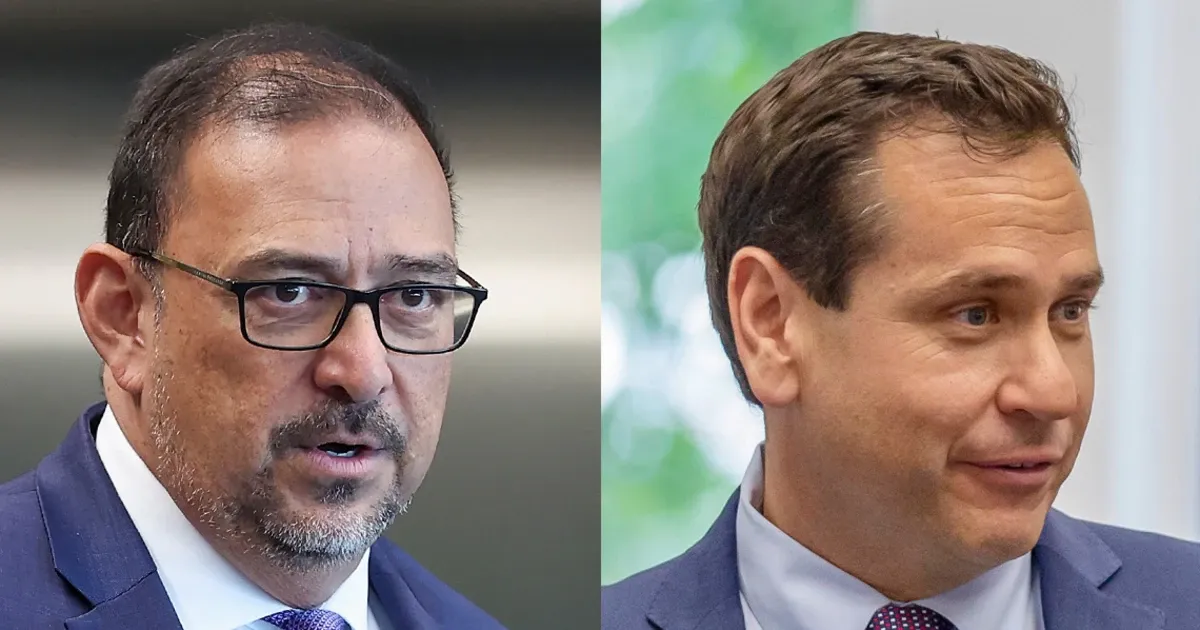
The DA's confidence carried throughout its campaign, which started far earlier than rivals and garnered more attention. In Tshwane, DA mayoral candidate Cilliers Brink said the party had "a higher number of canvassed DA voters in Tshwane at this election than we've ever had at any election, including general elections". Brink acknowledged this did not guarantee victory but said it gave the party a significant logistical advantage, adding: "We are going for a majority. We're not going for arrangements."
The DA led the ANC in five of six Johannesburg polls conducted between mid-June and mid-October. In three of those polls, it reached at least 35% and led the ANC by 13 percentage points or more. DA Johannesburg mayoral candidate Helen Zille challenged critics to compare basic services in DA-run areas with the rest of the country, saying: "Go and take a list and tick them off. You'll see that there are more services in Khayelitsha than in Sandton."
Voters on 4 November expressed mixed views. In Tshwane, a voter who identified himself only as Carl said the DA's pre-election campaigning had put him off the party: "I think the DA is a lot of talk. Their actions don't show what they're campaigning for, and that's why I'm moving away from them." University of Pretoria student Unati Njenga said voting for the DA would be voting against his best interests, citing a Public Protector investigation into the DA-run City of Cape Town.
Voter experiences
The Public Protector investigation found that the City of Cape Town had failed to provide basic municipal services to residents of Langa Flats and parts of Khayelitsha, including deteriorating sewer infrastructure, poor refuse collection, water leaks and inadequate lighting. The report concluded that the City's conduct amounted to maladministration and improper conduct. Njenga said: "So I think it's a bit scary to imagine what the future could look like under them."
Other voters backed the DA. Karen Anderson, a resident of Montana in Pretoria, said she was voting for the party: "If you just look at the problems in Johannesburg, absolutely no one would be voting for the ANC. We residents worry about service delivery, clean water and electricity, and if you look at the DA's track record, they've delivered." Anderson expressed optimism about Brink's leadership prospects, noting voters viewed him as a practical, experienced alternative to the governing coalition.
The IEC had declared a "war on queues" for the 2026 elections, introducing stricter voting protocols and new equipment. By 10am, 3.5 million voters had cast ballots, and by 4pm, 40% of registered voters had voted, compared with 44% overall in the 2021 local government elections. IEC Chief Executive Officer Sy Mamabolo said the commission trained volunteers and supplied handheld barcode scanners and sequence numbers to process voters quickly.
Challenges and disputes
Most voters reported largely smooth experiences, but some faced long waits and distances. In Benoni, nurse Kiara Geldenhuys said she had a quick experience, arriving in her nursing attire before her shift. In Stellenbosch, Hope Watt said election officials were organised and pleasant, with older voters prioritised. Nonny Beale waited about 75 minutes at a local high school station but praised the atmosphere, saying: "People were smiling, happy, making friends."
The new system produced some hiccups. Rise Mzansi leader Songezo Zibi posted on his personal X account that some voters' new voting districts had shifted to "unmanageable distances". He said some voters were moved more than 5km from their previous district, while his mother was moved more than 45km. This resulted in some stations having longer queues, though the IEC reported that fewer than 1% of voting stations opened late, with stormy weather affecting most of those.
The IEC confirmed that by 5pm, preliminary figures showed 12 million voters had cast their vote. Provincial breakdowns included Limpopo at 1.1 million, Mpumalanga at 854,901, North West at 702,137, Free State at 588,237, and Northern Cape at 299,381. Mamabolo said the commission was pleased with the voter turnout at the many stations across the country, as counting continued into the night.
The results will determine control of South Africa's eight metros, which account for almost 40% of voters. The DA aims to lead more metros, while the ANC faces a crucial test of its support. The IEC's preliminary data and voter experiences suggest a high turnout, but the final outcome will depend on coalition negotiations in contested metros like Johannesburg, Tshwane and Nelson Mandela Bay.
Frequently asked questions
How many South Africans voted in the 2026 municipal elections?
More than 12 million citizens cast their ballots by 5pm on 4 November, according to preliminary IEC figures. By 4pm, 40% of registered voters had voted, compared with 44% in the 2021 elections.
What were the DA's goals in the 2026 municipal elections?
The DA aimed to win majorities or be the biggest party in Ekurhuleni, Johannesburg, Tshwane and Nelson Mandela Bay to form favourable coalitions. The party also looked to the 2029 national elections.
What issues did voters raise on election day?
Voters cited service delivery, water, electricity, crime and corruption. Some praised the DA's track record, while others referenced a Public Protector investigation into Cape Town's service failures and concerns about segregation and housing costs.