South Korea expands naval operations near Strait of Hormuz
Seoul will seek parliamentary approval to extend the Cheonghae unit's area to about 650km from the Strait of Hormuz, adding patrol aircraft and mine-clearing assets.
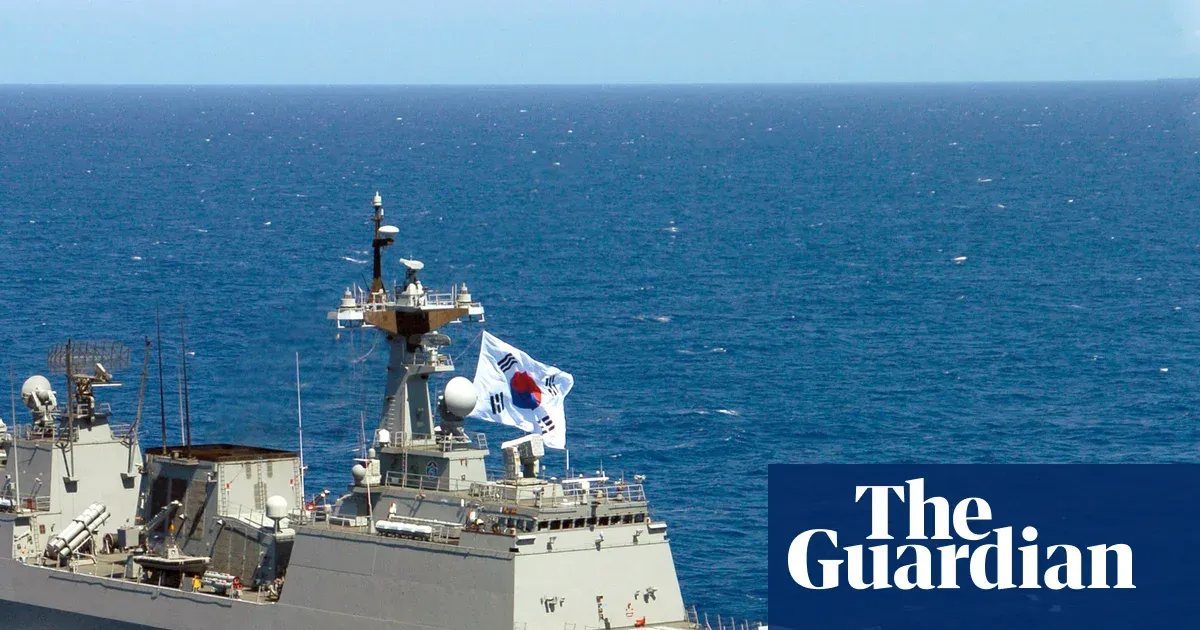 Photo: The Guardian
Key points
South Korea will expand its Cheonghae naval unit's operations closer to the Strait of Hormuz, adding patrol aircraft and mine-clearing assets.
South Korea plans to expand the operations of its anti-piracy unit to waters closer to the Strait of Hormuz, its defence ministry said on 5 November, after criticism from Donald Trump over support for his Iran policy. The government will submit a motion to parliament that would extend the Cheonghae unit's area of operation to waters near the port of Duqm in Oman, about 650km (403 miles) from the strait.
The motion also needs approval from President Lee Jae Myung and the cabinet. The expanded zone reaches the high seas south of Oman, but the Gulf of Oman, which borders the Strait of Hormuz, is not included. The deployment period is scheduled to run from the time of National Assembly passage until 31 December 2027, according to the defence ministry.
Expanded mission area
The reinforcement is strictly for non-combat purposes, and the unit will operate independently of allied forces, said a defence ministry official speaking on condition of anonymity. "Operations will remain restricted to the open waters south of Oman, and the maritime patrol aircraft will be prohibited from targeting or monitoring Iranian territory, territorial waters or the interior of the strait of Hormuz during their missions," he said.
The government cited an increase in pirate activity in the Gulf of Aden and the waters south of Oman, caused by the dispersal of international maritime forces due to military tensions in the Red Sea, as the background for the mission expansion. Somali pirate activities surged more than threefold from 11 cases in 2025 to 36 cases so far this year, according to the defence ministry.
The Cheonghae unit currently includes a 4,400-ton-class destroyer, a maritime operations helicopter, up to three rigid-hull inflatable boats and about 300 service members, according to local media. The government will add one Navy P-8A Poseidon maritime patrol aircraft, an explosive ordnance disposal (EOD) team, and unmanned mine-sweeping assets, which consist of unmanned underwater vehicles, unmanned surface vehicles, and remotely operated vehicles.
New assets and personnel
With the addition of 30 EOD personnel and 45 patrol aircraft operating personnel, the total number of deployed personnel will increase to approximately 395. The additional assets are planned to be operated based in Djibouti in East Africa, according to the defence ministry. The unit has been stationed in the Gulf of Aden since 2009 to ensure safe navigation of commercial vessels.
The operational area will expand from the Gulf of Aden to the waters south of Oman, increasing from about 600 miles to roughly 1,200 miles. However, due to threats such as those from Houthi rebels, the area where actual operations were feasible within the existing operational zone had been reduced to around 300 miles, the ministry explained.
The move comes following assessments that a security vacuum has emerged in countering piracy near Somalia as major nations have concentrated their naval forces in response to the blockade of the Strait of Hormuz and conflicts involving Middle Eastern nations around the Red Sea. The number of vessels passing through the Red Sea has also increased seven to eight times compared to before following the Hormuz blockade, raising the likelihood of South Korean vessels encountering pirates.
Non-combat role stressed
South Korea relies heavily on oil imports and sourced 70% of its supplies from the Middle East in 2025, most of it delivered through the Strait of Hormuz, according to the industry ministry. The Cheonghae unit's mission will focus on maritime surveillance and vessel protection, with operational control exercised by the Chairman of the Joint Chiefs of Staff of the South Korean military.
The government emphasized, "We will neither intervene nor engage in the war," adding, "Any actual operational deployment would require separate parliamentary consent." The revised deployment motion is expected to be submitted to the National Assembly plenary session following a Cabinet meeting next week, with the deployment period running from the date the revised motion passes parliament until 31 December 2027.
President Lee Jae Myung said on 18 September that he would not deploy military assets to the Middle East in a way that could draw the country into conflict, but that Seoul was reviewing playing a greater role in safeguarding navigation in the region. The unit has participated in overseas Korean protection activities, including the Operation Dawn of Gulf of Aden in 2011 and the evacuation of citizens from Libya and Yemen.
Frequently asked questions
What is the Cheonghae unit?
The Cheonghae unit is a South Korean naval unit deployed to the Gulf of Aden since 2009 for anti-piracy operations. It includes a destroyer, helicopter, and rigid-hull inflatable boats, and its mission is expanding to waters near the Strait of Hormuz.
Why is South Korea expanding its naval operations near the Strait of Hormuz?
The expansion responds to increased pirate activity in the Gulf of Aden and waters south of Oman, caused by the dispersal of international naval forces due to Red Sea tensions. Somali pirate cases rose from 11 in 2025 to 36 this year.
What new assets will be deployed?
South Korea will add a P-8A maritime patrol aircraft, an explosive ordnance disposal team, and unmanned mine-sweeping assets, including underwater and surface vehicles. Personnel will increase by 75 to about 395 troops.