SpaceX buys Grain's 800 MHz spectrum to become a US mobile carrier
SpaceX agreed on 8 October 2026 to buy Grain Management's nationwide 800 MHz spectrum portfolio of up to 14 megahertz of paired spectrum, pending FCC approval, pushing AT&T, Verizon and T-Mobile shares down more than 6%.
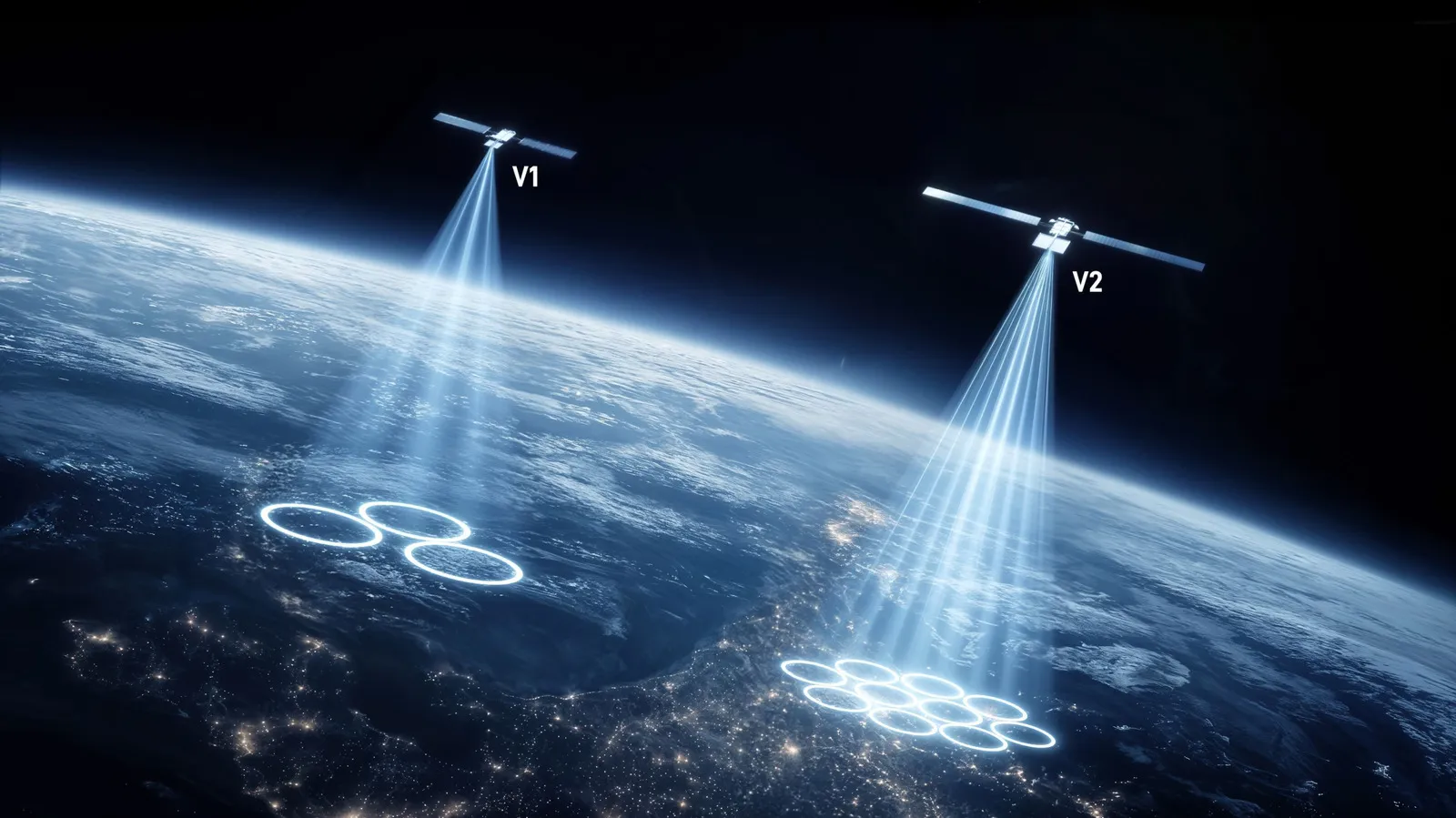 Photo: Engadget
Key points
SpaceX agreed on 8 October 2026 to buy Grain Management's 800 MHz spectrum, up to 14 megahertz paired, pending FCC approval.
SpaceX agreed on 8 October 2026 to acquire 100 percent of Grain Management's nationwide 800 MHz spectrum portfolio, a low-band licence portfolio of up to 14 megahertz of paired spectrum in the 800 MHz band. The deal, announced late on 8 October, still needs Federal Communications Commission approval. The acquisition price was not disclosed, and the licences cover nearly the entire United States population.
The purchase is designed to close what SpaceX calls one of the key technical gaps remaining before Starlink can become a major mobile carrier in the United States. Low-band signals at 800 MHz travel further and pass through walls and buildings more easily than higher frequencies, so Starlink Mobile's signal can reach customers indoors. Most mobile devices already support the band, so SpaceX can offer service to millions of potential customers regardless of their phones.
What the spectrum deal covers
SpaceX previously acquired spectrum licences from EchoStar late last year, including frequencies used in the United States for commercial wireless services such as mobile and satellite communications. That earlier purchase covered 2 GHz spectrum for direct-to-device service. The new 800 MHz licences add terrestrial low-band capacity, which SpaceX says lets Starlink Mobile become the first network operator to deploy both satellite and terrestrial spectrum in one network.
The Federal Communications Commission has authorised SpaceX to deploy 15,000 Starlink Mobile Gen2 satellites optimised for the 2 GHz spectrum. According to SpaceX, those satellites will deliver more than 100 times the bandwidth of its current satellite generation. The combination of the Gen2 constellation with the new low-band licences would let Starlink Mobile offer reliable service indoors while Starlink's broadband internet provides a signal in remote places.
Once the Federal Communications Commission signs off, SpaceX says it will deploy an architecture combining its satellite-to-mobile constellation with a terrestrial mobile network, competing directly with T-Mobile, AT&T and Verizon. SpaceX's announcement states that with the new low-band spectrum and its Gen2 constellation, Starlink Mobile can become the first network operator to deploy both satellite and terrestrial spectrum, offering Americans service indoors, outdoors, in cellular dead zones and everywhere in between.
How low-band signals reach indoors
Analysts say low-band spectrum like this requires fewer cell towers than higher-frequency options, which could make the rollout cheaper. Bernstein estimates a full SpaceX network buildout could cost between $50 billion and $130 billion, requiring between 30,000 and 120,000 tower locations depending on how wide the coverage area becomes. Local rules on zoning, power and labour limit new United States towers to between 1,200 and 2,000 structures annually.
Because of those construction limits, SpaceX would likely need to lease space from existing tower companies rather than build everything from scratch. Bernstein analyst Madison Rezaei wrote that buying the spectrum does not guarantee SpaceX will build a full nationwide network, but said it makes that option more realistic and more affordable. She added that tower stock prices had been low for some time and that this deal could give the sector a reason to recover.
Where the market numbers came from
Shares of AT&T, Verizon and T-Mobile fell more than 6% in after-hours trading after the announcement on 8 October 2026, according to Bloomberg. As of 5 p.m. ET, AT&T shares fell 7.3%, while T-Mobile and Verizon declined 6.6%, and SpaceX shares rose 1.5%. Tower companies rose: Crown Castle gained 7% in extended trading, American Tower climbed 5%, and SBA Communications gained 6%.
Crown Castle shares have dropped almost 60% over the past five years as carriers slowed spending after their 5G rollouts. AT&T chief executive John Stankey addressed the competition question last month at a conference, saying Starlink will likely succeed in specific areas like airline internet and rural coverage, and that there could be ways for AT&T and satellite companies to work together, including sending certain customers to satellite providers when it makes sense.
What happens before any launch
Federal lobbying disclosures show SpaceX paid two outside lobbying firms a combined $200,000 during the first half of 2026. The firms reported lobbying on satellite communications, space launch competition and federal launch funding, although the filings do not specifically mention the spectrum acquisition. Starlink Mobile is expected to launch sometime in 2027, combining satellite coverage with ground-based networks. The spectrum purchase still needs regulatory approval from the Federal Communications Commission before Starlink Mobile can move forward with that 2027 launch target.
Frequently asked questions
What spectrum is SpaceX acquiring?
SpaceX agreed to acquire 100 percent of Grain Management's nationwide 800 MHz spectrum portfolio, a low-band licence portfolio of up to 14 megahertz of paired spectrum in the 800 MHz band, covering nearly the entire United States population.
Why does SpaceX want low-band spectrum?
Low-band 800 MHz signals travel further and pass through walls and buildings more easily than higher frequencies, letting Starlink Mobile reach customers indoors. Most mobile devices already support the band, so SpaceX can serve millions of potential customers regardless of their phones.
When will Starlink Mobile launch?
Starlink Mobile is expected to launch sometime in 2027, combining satellite coverage with ground-based networks, but the spectrum purchase still needs Federal Communications Commission approval before the service can move forward with that target.
How this story was checked
- Fact-checked against 4 cited pages. 63 figures, dates and quotations in this story were found on the pages it cites.
- Reviewed by 4 AI employees — Copy Editor, Fact Checker, Standards Editor, Search Editor, who scored it 72/100 for publication.
Pages checked (4 of 4)
- engadget.comread and checked
- theverge.comread and checked
- coincentral.comread and checked
- theglobeandmail.comread and checked
Written by Kaer from public reporting. Checked 9 October 2026.


