Spain lawmakers approve housing decree by one-vote margin
Spain's interim parliament approved a housing decree with rent caps and eviction protections by a 35-34 vote on 12 November, a day after a general strike.
 Photo: The Straits Times
Key points
Spain's interim parliament approved a housing decree with rent caps and eviction protections by a 35-34 vote on 12 November.
Spanish lawmakers on Thursday approved one of two housing decrees whose rejection by parliament last month triggered a 29 November early general election, a day after Wednesday's general strike in protest over housing costs. By a one-vote margin, the standing body of 69 caretaker deputies who remain in place after parliament's dissolution passed the decree, which includes rent caps, a temporary ban on evictions and limits on corporate purchases of residential property.
The interim lower house has 69 members, compared with 350 in the regular parliament, which was dissolved when the election was called. The first decree passed in a 35-34 vote. The body rejected, also by one vote, another measure, sought by tenants' associations, calling for the automatic renewal of rental contracts.
What the decree includes
The decree that passed included a measure that extends protections against evictions for tenants deemed by social services to be in a precarious financial or social position as long as regional authorities can't offer them an alternative residence. The measure will last until 2030. Another main feature is an attempt to reduce real estate speculation by impeding any company involved in the real estate market from buying properties for less than 70% of their value.
The decree also stops rent increases for rents that already exceed the reference price established by the government's index of prices for that given neighbourhood. It also establishes a 10% tax on apartments rented to tourists, like those on online platforms, that have become a target of public scorn, along with a tax incentive to encourage leasing and government-backed loans for down payments on homes for residential use.
The second decree which was once again rejected would have made residential leases automatically renewable by tenants. If owners wanted to break contracts, they would have had to compensate tenants with a year's worth of rent. Too many lawmakers deemed that measure would have led homeowners to withdraw properties from the rental market, a drop in supply and even higher prices. It was rejected 34-35 after a centre-right Basque party voted with the right-wing bloc after having supported the other decree.
Why the second decree failed
Spain's government had tried to push through the measures in October after public anger over soaring rents erupted following the nationally-televised eviction and subsequent death of an 87-year-old woman in Madrid. But the PP and other conservative parties aligned in parliament to reject the measures, and Prime Minister Pedro Sánchez responded days later by calling an early election for 29 November.
The government then waited to try again to pass the measures with a smaller interim parliament, where it and aligned progressive parties had a slightly more favourable distribution of seats. The government split the measures into two decrees, with one measure that appeared doomed from the start being separated into a second decree so as not to put the rest in danger. The first decree containing a package of measures succeeded in passing on Thursday, while the second decree was, as expected, rejected again.
Opposition leader Alberto Nunez Feijoo, whose conservative People's Party leads in opinion polls, said on Wednesday he would repeal the decrees if he becomes prime minister. The opposition has argued that the measures only reduce housing supply and push up prices. "You promised us more housing and have only given us tons of demagoguery," PP lawmaker Sergio Sayas told the minister.
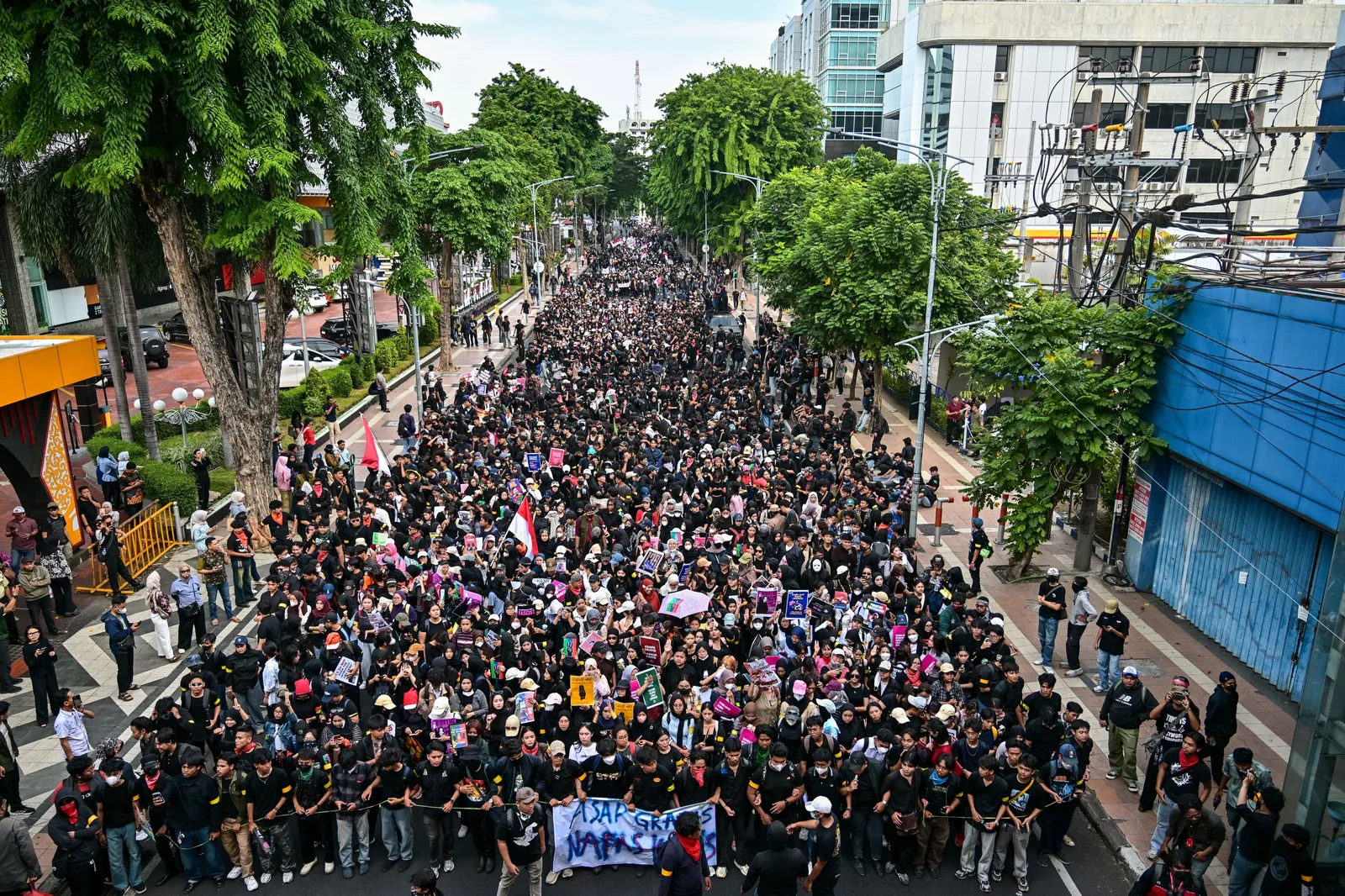
"Yesterday, the right to housing won on the street and in workplaces, and I hope it will win again at the ballot box," interim Housing Minister Isabel Rodriguez told lawmakers, in reference to Wednesday's general strike and the upcoming election on 29 November. The PP has pledged to oversee the construction of one million new homes while slashing taxes and red tape for real estate development if they return to power after eight years of Socialist-led rule.
The duration of the approved measures will likely depend on the outcome of the national election set for later this month. The leading opposition party, the conservative Popular Party, has said that it will repeal the housing measures of the left-wing government if the PP takes power, which polls indicate is a real possibility.
Frequently asked questions
What did Spain's housing decree include?
The decree passed on 12 November includes rent caps, a temporary ban on evictions, limits on corporate purchases of residential property, a 10% tax on tourist rentals, and eviction protections for vulnerable tenants until 2030.
Why was a second housing decree rejected?
The second decree would have made residential leases automatically renewable by tenants, with owners compensating tenants a year's rent to break contracts. Lawmakers feared it would reduce supply and push up prices, so it was rejected 34-35.
What happens next with Spain's housing measures?
The measures' future depends on the 29 November general election. The conservative Popular Party, which leads in polls, has pledged to repeal them if it takes power.