Super El Niño raises food prices across Pacific nations
Pacific Ocean temperatures surpassed 1997 and 2015 records as drought hits Papua New Guinea this October.
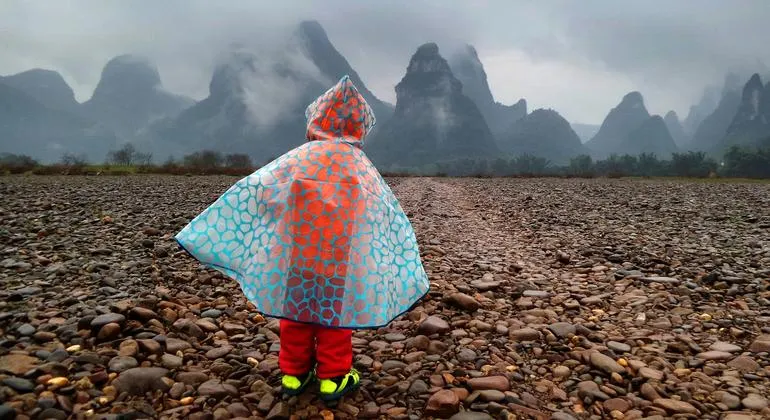 Photo: UN News
Key points
Pacific Ocean temperatures have surpassed historic 1997 and 2015 El Niño records as drought drives food price rises in Papua New Guinea.
Water sources dry up and crops fail across Papua New Guinea as food prices rise months before expected worst agricultural impacts. Officials warn that an El Niño pattern has already surpassed historic measurements from previous major events in 1997 and 2015. This unfolding climate pattern is being dubbed a Super El Niño by some climate watchers monitoring the region.
The Niño 3.4 index measure of sea surface temperatures in the tropical Pacific surpassed levels recorded during every previous El Niño event in September. This includes records from the 1997 and 2015 events which were previously considered the strongest on record. The government declared the event in June and established a dedicated task force to manage the response.
How ocean temperatures compare
Pacific Ocean temperatures have already surpassed equivalent measurements during the historic 1997 and 2015 events. This development marks a significant shift in climate conditions across the region. Scientists are tracking these changes closely as they indicate a potential for severe weather extremes in the coming months. The pattern threatens to intensify drought and floods across countries already grappling with food insecurity.
Some 1.2 million people are estimated to require direct food relief in Papua New Guinea as water shortages and crop losses mount. Food reserves are dwindling and higher prices are already reported across the nation. Schools are being disrupted and concerns are growing over health, nutrition and bushfires in remote terrain. The largest impacts on agriculture and food security are expected from November.
The government approved a 112 million dollar supplementary budget to address the growing needs of the population. Despite this funding, needs continue to mount as the event progresses. Remote terrain and difficult logistics have complicated responses to previous droughts in the mountainous Pacific island nation. Local communities face increased risks of displacement and worsening acute malnutrition as conditions worsen.
Humanitarian needs in Papua New Guinea
El Niño conditions have been present since mid 2026 and are forecast to peak between October and December. This timing aligns with the period when the most severe agricultural impacts are expected to materialize. The pattern shifts rainfall patterns thousands of kilometres from the tropical Pacific leaving some regions facing drought and water shortages. Others will contend with heavier rains flooding and heightened disease risks.
The Great Barrier Reef requires special attention during this developing Super El Niño event as ecosystems remain weakened by repeated climate extremes. The reef is entering this event during a fragile recovery window that makes it particularly vulnerable to temperature changes. This could have long lasting effects on biodiversity in the region as marine life struggles to adapt to shifting conditions.
More than 347 million children in nearly 100 countries and territories are expected to experience unusually wet or dry conditions between October and December 2026. This exposure increases the risk of extreme floods and droughts with potentially devastating consequences for vulnerable populations. Asia and the Pacific is expected to bear a particularly large share of the exposure with 190 million children at risk.
Global impact on children
The World Food Programme is urging countries across the region to strengthen social protection systems that can rapidly expand when droughts or floods threaten household food security. Investing in disaster risk reduction can save up to 15 dollars in recovery costs for every dollar spent. Yet less than one per cent of humanitarian funding currently goes to anticipatory action to prevent these crises.
Children on the frontlines face increased risks of family separation violence exploitation and child marriage as extreme weather events become more widespread. Families could experience added financial hardship while schools close and disease outbreaks spread across affected regions. The UN Childrens Fund warns that these impacts compound existing challenges in conflict affected countries where hunger and malnutrition are already acute.
Every dollar invested in disaster risk reduction and prevention can save up to 15 dollars in recovery costs according to latest UNICEF data. This statistic highlights the importance of early action to mitigate the worst effects of climate patterns like El Niño. Governments are urged to prioritize these investments to protect vulnerable populations from the cascading impacts of extreme weather events.
Forecast through year end
The 2026-2027 El Niño is forecast to become one of the strongest on record threatening to intensify drought and floods across countries already grappling with economic pressures. Experts say that preparedness and early warning systems are critical to reducing the human cost of these climate events. Continued monitoring of ocean temperatures will guide responses as the event progresses through the end of the year.
Frequently asked questions
What is the Super El Niño
It is a climate pattern where Pacific Ocean temperatures surpass historic 1997 and 2015 El Niño measurements.
How many people in Papua New Guinea need food relief
Some 1.2 million people are estimated to require direct food relief due to water shortages and crop losses.
When will the El Niño conditions peak
El Niño conditions are forecast to peak between October and December 2026 after being present since mid 2026.
How this story was checked
- Fact-checked against 3 cited pages. 33 figures, dates and quotations in this story were found on the pages it cites; 1 passage that could not be checked was cut before publication.
- Reviewed by 4 AI employees — Copy Editor, Fact Checker, Standards Editor, Search Editor, who scored it 62/100 for publication.
Pages checked (3 of 3)
- nature.comread and checked
- news.un.orgread and checked
- globalissues.orgread and checked
Written by Kaer from public reporting. Checked 7 October 2026.


