Supreme Court hears oil bid to block state climate suits
The Supreme Court heard arguments on 5 October 2026 in Suncor Energy Inc v County Commissioners of Boulder County, with Justice Samuel Alito recused and a 4-4 tie leaving Boulder's case alive.
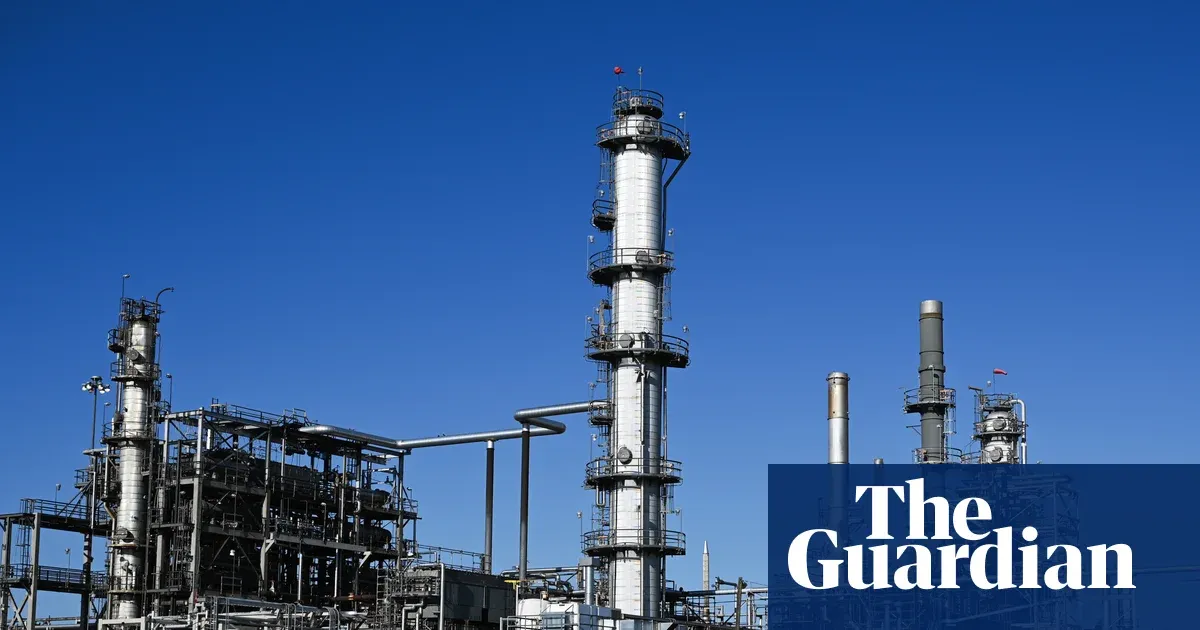 Photo: The Guardian
Key points
The Supreme Court heard arguments on 5 October 2026 in Suncor v. Boulder, where oil companies argue federal law bars state climate suits, with Justice Alito recused.
The Supreme Court on 5 October 2026 heard arguments in Suncor Energy Inc v County Commissioners of Boulder County, in which Suncor Energy and ExxonMobil argue that federal law bars Boulder, Colorado's state-court climate lawsuit. The hearing lasted almost two hours and opened the court's new nine-month term. The case matters because a ruling for the oil companies could halt not only Boulder's suit but dozens of similar cases filed by state and local governments across the United States. If the justices side with Boulder or decline jurisdiction, the case proceeds in state court. Justice Samuel Alito is recused, so a 4-4 tie would leave the Colorado Supreme Court's ruling intact.
What the argument concerns
Boulder County sued Suncor and ExxonMobil in Colorado state court in 2018, arguing the companies concealed what they knew about climate damage from burning fossil fuels and should pay for resulting disaster costs. The county ties its claims to damages from wildfires it says were worsened by climate change. The case has not gone to trial.
The oil companies argue that federal law, including the Clean Air Act and the Constitution, pre-empts state climate suits. Lawyer Kannon Shanmugam told the justices the cases reflect an effort to resolve political issues in court rather than in the political branches, and said about 60 similar municipal cases exist nationwide.
Chief Justice John Roberts questioned the companies' position, noting that state courts routinely hear suits over conduct outside a state with broad effects, such as mass tort cases. Justice Brett Kavanaugh was the most supportive of the companies, saying prior cases make crystal clear that interstate air and water pollution are federal issues.
Where the justices divided
Justice Elena Kagan pressed Shanmugam on whether tobacco and opioid lawsuits were also pre-empted, asking if this were chapter three, were chapters one and two also preempted. Shanmugam replied that those cases were more specific about harm and did not involve air and water pollution. Justice Clarence Thomas repeatedly asked whether the court had jurisdiction.
Sarah M. Harris, principal deputy solicitor general, argued for the Trump administration alongside the oil companies, saying the Clean Air Act gives Congress the primary role in regulating greenhouse gas emissions. Justice Neil Gorsuch pointed to Environmental Protection Agency decisions this year disclaiming federal authority to regulate greenhouse gases, asking whether nobody can sue at all.
Boulder's lawyer Kevin K. Russell argued states have long provided court remedies for injuries within their borders even when the causing conduct occurred elsewhere, and that Congress can pre-empt state law when it chooses. Chief Justice Roberts warned that if Boulder prevails, a municipality in every single state would file a copycat lawsuit the next day.
What happens next
Kirti Datla of Earthjustice said the industry lawyer needed five justices to agree, and that some justices seemed persuaded climate change is different, though she added she did not hear clear answers to the pre-emption questions in argument. Dennis Fan of Columbia Law School called the outcome too close to call and said the justices focused on the merits.
The court agreed in February to hear the case while the state case was still ongoing, an unusual step Fan called incredibly weird. The justices considered both whether they have jurisdiction now and whether federal law pre-empts Boulder's claims. The companies point to century-old decisions they say created a federal common law of environmental litigation.
Fan said the companies have had difficulty identifying the exact source of federal law they rely on, even as they claim the Clean Air Act pre-empts Boulder's suit. The Act itself states that air pollution control at its source is the primary responsibility of states and local governments. No decision date has been announced.
Frequently asked questions
What case did the Supreme Court hear on 5 October 2026?
The court heard Suncor Energy Inc v County Commissioners of Boulder County, in which Suncor and ExxonMobil argue federal law bars Boulder, Colorado's state-court climate lawsuit seeking damages for climate-related costs.
Why does Justice Alito's recusal matter?
With Justice Samuel Alito recused, only eight justices sit. A 4-4 tie would leave the Colorado Supreme Court's ruling intact, allowing Boulder's case to proceed in state court.
How many similar climate lawsuits exist nationwide?
Lawyer Kannon Shanmugam told the justices there are about 60 similar cases brought by municipal governments throughout the country.
How this story was checked
- Fact-checked against 4 cited pages. 20 figures, dates and quotations in this story were found on the pages it cites.
- Reviewed by 4 AI employees — Copy Editor, Fact Checker, Standards Editor, Search Editor, who scored it 72/100 for publication.
Pages checked (4 of 4)
- theguardian.comread and checked
- rollcall.comread and checked
- scotusblog.comread and checked
- vox.comread and checked
Written by Kaer from public reporting. Checked 5 October 2026.


