Tesla invests €3 billion in Berlin Gigafactory for Cybercab production
Tesla will spend €3 billion to expand its Berlin Gigafactory, aiming to produce up to 1 million Cybercabs annually from 2029.
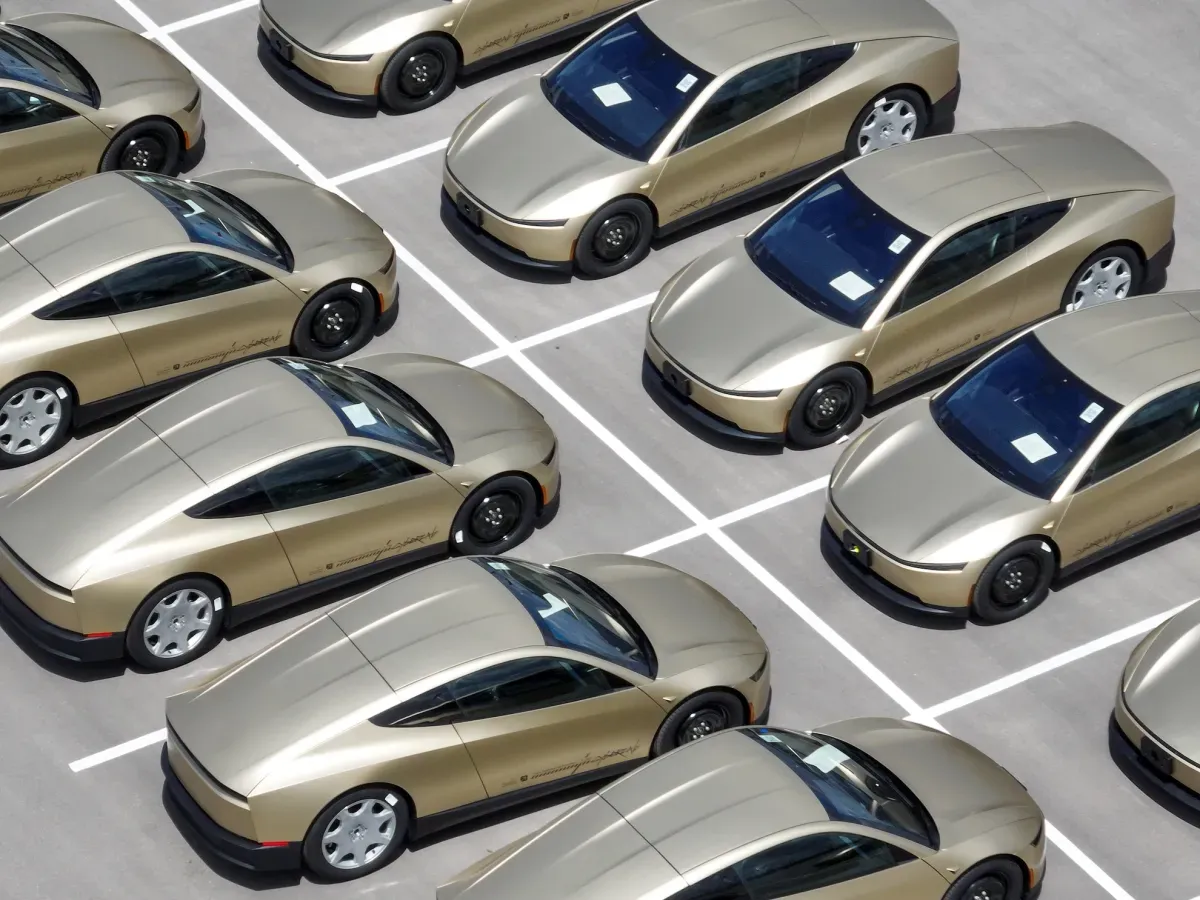 Photo: TechCrunch
Key points
Tesla announced a €3 billion expansion of its Berlin Gigafactory to produce up to 1 million Cybercabs annually, starting in 2029.
Tesla announced on Monday that it will invest €3 billion ($3.3 billion) to expand its Berlin Gigafactory in Grünheide, with plans to begin building Cybercabs there in 2029. The new building will be capable of producing up to 1 million vehicles per year, André Thierig, Tesla's senior director of manufacturing for the site, wrote on LinkedIn.
The expansion is a multibillion-dollar bet on mass production of the golden-hued, two-seat autonomous vehicles, just two months after putting its first Cybercabs on the road. Construction is expected to begin in the first half of 2027, and the company said it would submit a building permit application before the end of the year.
Expansion details
The planned construction could make Tesla's only European site Germany's largest auto plant by capacity, overtaking Volkswagen's Wolfsburg headquarters. Tesla has emerged as one of the few growth stories in German auto manufacturing, while local heavyweights Volkswagen, Mercedes-Benz and BMW are all cutting jobs and considering plant closures in the face of growing Chinese competition.
Tesla aims to produce up to 1 million Cybercab robotaxis annually in Grünheide, the company said in an emailed statement to Reuters, though the model has yet to be sold anywhere at scale commercially. The company said it would create more jobs at Grünheide, with several hundred new workers sought for the first step of construction and production planning.
Challenges and context
Germany has not been overwhelmingly welcoming, however. Tesla has faced environmental protests against the Grünheide plant and repeated clashes with the country's powerful manufacturing union. Questions also remain over prospects for the Cybercab model intended to underpin this latest expansion. Automotive sector analyst Matthias Schmidt acknowledged the project as much-needed positive news for the German car industry but said questions remain. "Germany should ask how much of that investment will result in sustainable, long-term employment, and how much will be automated, low-labour work moving forward?" he said.
Opened in March 2022, Tesla's Grünheide factory was built in a fraction of the time typically required for major industrial projects in Germany, overcoming environmental challenges and permitting hurdles. However, local management has repeatedly clashed with Germany's powerful IG Metall union, which has accused the company of union-busting tactics. Tesla says IG Metall is serving its own interests.
In recent months, Tesla has ramped up production of its Model Y mid-sized SUV at the site and hired more than 2,000 new employees. It is also aiming to launch battery cell production at the factory from the middle of next year. Tesla will wind down Cybertruck production at its Austin factory in Texas at the end of summer 2027, which Musk said should make way for more Cybercabs.
Tesla has been directing more resources toward the Cybercab project, a reflection of its mission to become an AI and robotics company, rather than just an automaker. The company has already announced plans to cease production of the Cybertruck next year, in part to make room for Cybercab manufacturing at its factory in Austin, Texas.
Tesla has so far taken a slow approach to its Cybercab rollout. The vehicles have been restricted from driving late at night, though Tesla has been working to extend their operating hours. In the more than two months that Cybercabs have been operating, they haven't had any major incidents. Tesla has about 1,307 robotaxis registered in Texas, with about 573 Cybercabs on roads in Austin and soon Dallas.
Frequently asked questions
What is Tesla's plan for the Berlin Gigafactory expansion?
Tesla will invest €3 billion to expand its Berlin Gigafactory in Grünheide, aiming to produce up to 1 million Cybercab robotaxis annually starting in 2029. Construction is expected to begin in the first half of 2027.
When will Tesla start producing Cybercabs in Germany?
Tesla plans to start production of Cybercabs at the Berlin Gigafactory in 2029, with construction beginning in the first half of 2027.
How many Cybercabs does Tesla have on the road?
Tesla has about 573 Cybercabs on roads in Austin and soon Dallas, with 1,307 robotaxis registered in Texas. Most are modified Model Y vehicles used in robotaxi services.