TfL breach exposes 265,000 Oyster photocard customers' data
Transport for London says about 265,000 Oyster photocard customers may have had personal details exposed in a breach detected on 16 November.
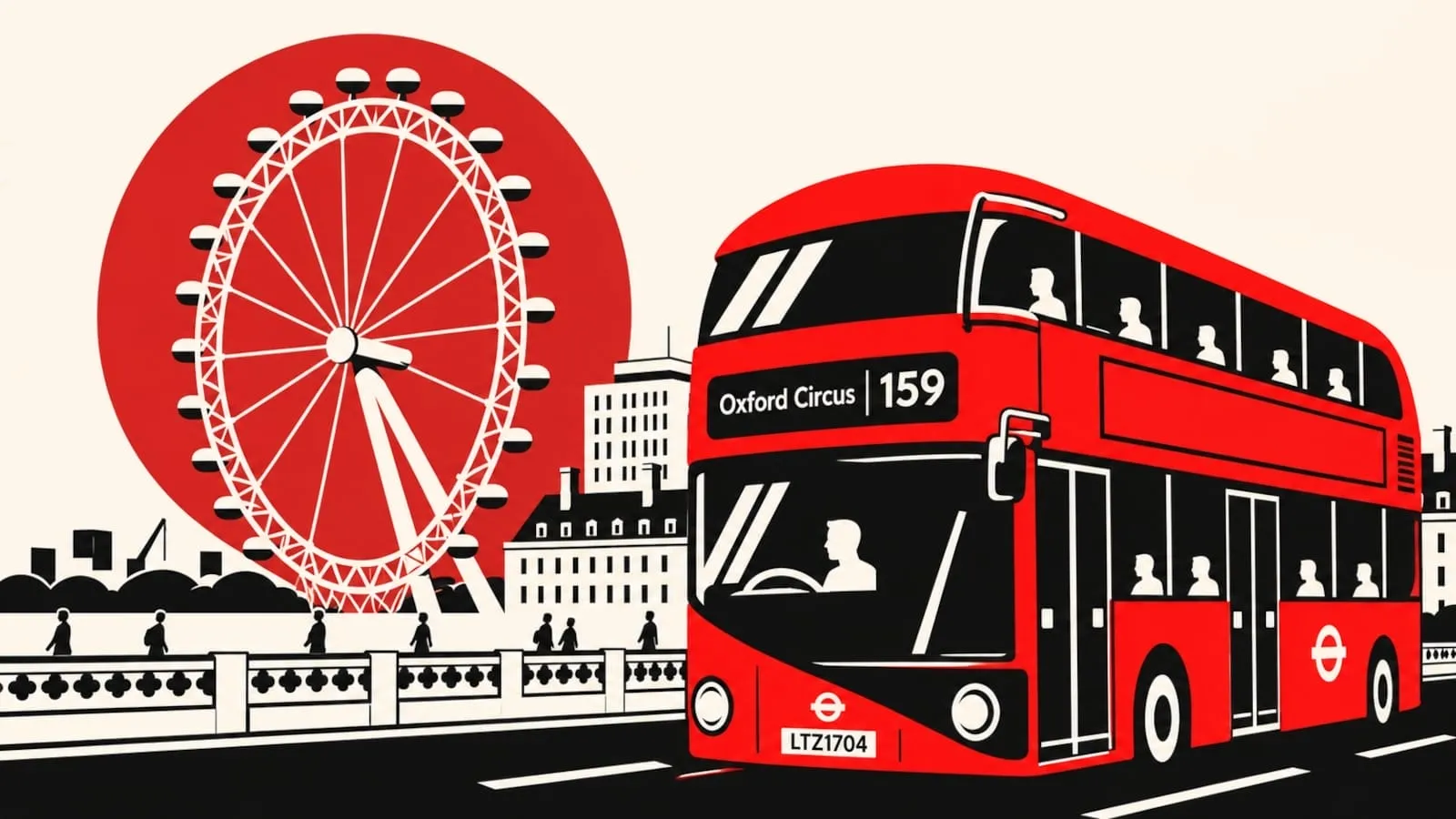 Photo: BleepingComputer
Key points
TfL detected a breach on 16 November that may have exposed personal details of about 265,000 Oyster photocard customers.
Transport for London has taken its Oyster photocard website offline after a cyber breach may have exposed the personal details of about 265,000 customers. TfL detected the incident on 16 November after customers who already had photocard accounts received emails asking them to create new accounts. The emails came from TfL's own mail systems but were unauthorised, triggered by the compromise.
TfL is London's public transport authority, operating the Underground, Overground, buses, trams and the Elizabeth line. It recorded 3.53 billion passenger journeys in 2025/26, including 1.78 billion bus journeys and 1.20 billion Tube journeys. Oyster photocards are travel smartcards with the holder's photo that give eligible passengers free or discounted travel.
What data was exposed
The exposed data may include full names, phone numbers, email addresses, home addresses, dates of birth, and security questions and answers. TfL's director of technology strategy and revenue, Shashi Verma, said: "The protection of personal information is a priority for us, and I apologise to our customers affected by this incident." The accounts potentially affected cover Zip Oyster, 18+ Student, 18–25 Care Leaver, 60+ London, Apprentice and Veterans Oyster photocards.
TfL's current assessment is that passwords, bank and payment card details, journey information, and the names and dates of birth of children with Zip Oyster cards were not compromised. Copies of people's photos were also not leaked, according to TfL. The authority said it has found no evidence so far that the affected data has been misused.
The estimated number of affected customers rose from about 250,000 to about 265,000, but the investigation is not yet complete and the figure may increase further. Verma said: "Due to the speed with which this incident was identified and addressed, we believe that the number of customers who could have been affected was significantly reduced." TfL has contained the incident and contacted affected customers.
What TfL says was safe
TfL has notified the UK's Information Commissioner's Office about the breach. The notification is not a finding about the authority's conduct.
The 2024 attack cost TfL £29 million in losses and recovery costs, and two of the hackers pleaded guilty in June 2026 and were sentenced to five years and six months in prison. The latest breach follows the launch of a new photocard website in July 2026, which had an outage of about a week during the transition from the old service.
Customers can continue to travel with their photocards but cannot access their online photocard accounts. They can top up through ticket vending machines at London Underground and National Rail stations. Those who need to renew a photocard or check journey history can call TfL on 0343 222 1234. Applications for a Freedom Pass are handled by London Councils and are unaffected.
Aftermath and advice
TfL is asking all photocard customers to change their password and choose a new security question and answer once the portal is restored. If the same security questions are used at other sites, customers should rotate them to new questions and answers. It is also recommended to change passwords on other services where the same information was used.
Customers who received the previous email urging them to create an account should ignore it. The leak of security questions and answers is particularly concerning, as those may be used in account access restoration, so customers should remain vigilant for suspicious activity and report it to TfL as soon as possible. TfL has not confirmed when the website will reopen.
Verma said: "We hope to restore the affected website services as quickly as possible." TfL has provided no firm date for restoring the online services. The authority has not publicly identified who accessed the data or explained how the incident occurred. Its investigation is continuing, and the final extent of the incident remains under investigation.
Frequently asked questions
What data was exposed in the TfL Oyster breach?
TfL says names, phone numbers, email addresses, home addresses, dates of birth, and security questions and answers may have been exposed for about 265,000 photocard customers.
When was the TfL Oyster breach detected?
TfL detected the breach on 16 November 2026 after customers received emails asking them to create accounts. The photocard website was taken offline immediately.
What should Oyster photocard customers do?
Customers should change their password and security question once the portal is restored, and change passwords on other services if they reused the same information. They can still travel and top up at ticket machines.