Judge orders Trump to sit for BBC deposition by 11 December
A US magistrate judge ordered President Donald Trump to answer questions under oath in his defamation lawsuit against the BBC by 11 December, after he cancelled a scheduled deposition on 16 October.
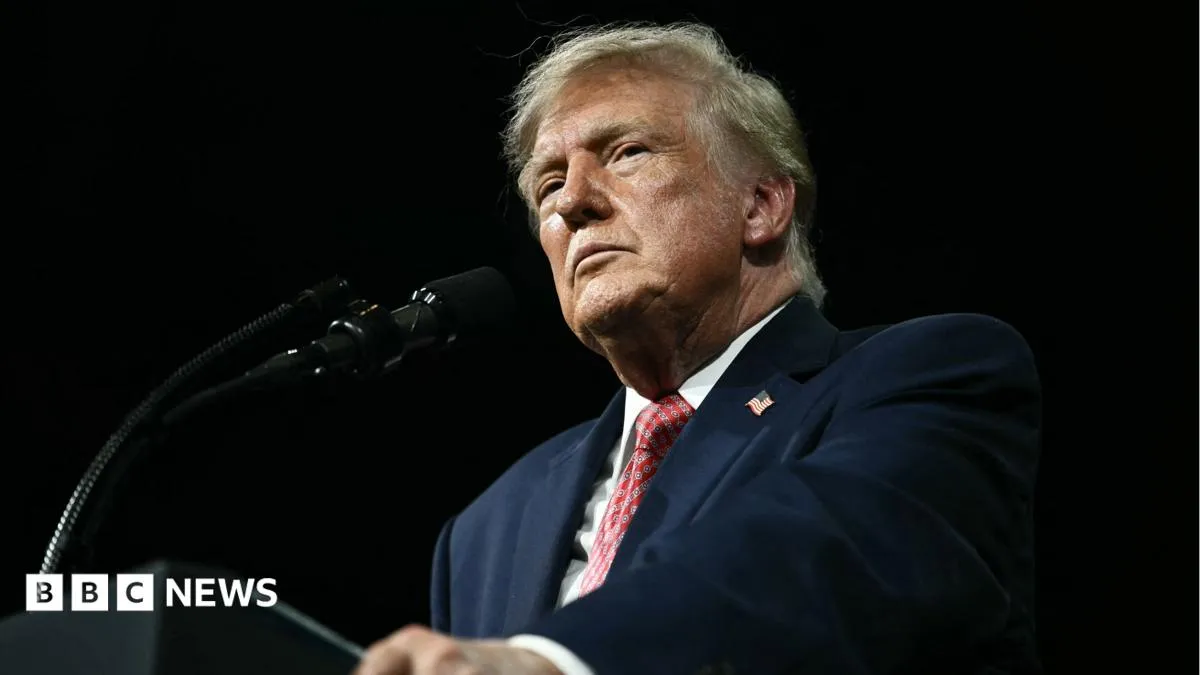 Photo: BBC News
Key points
A US judge ordered President Trump to sit for a deposition in his defamation lawsuit against the BBC by 11 December or face sanctions including dismissal.
US Magistrate Judge Enjoliqué Lett ordered President Donald Trump to sit for a deposition in his defamation lawsuit against the BBC by 11 December, or face sanctions that could include dismissal of the case. The order came after Trump cancelled a scheduled deposition on 16 October, citing matters of national importance while campaigning in Georgia. Discovery in the case is scheduled to end on 18 December.
The deadline matters because the BBC's lawyers said they had not yet been able to question Trump nearly eight months into the discovery period, which began in February. Charles Tobin, a lawyer for the BBC, told the court that "we still haven't been able to depose the plaintiff" with two months left in discovery. The broadcaster called Trump the most central figure in the case, arguing his deposition is the most crucial piece of evidence in a defamation lawsuit.
Why the deadline matters now
Trump's lawyers said in a filing that the president could appear for the deposition between 11 and 22 January, and argued the BBC was wrong to claim he was avoiding it. Judge Lett said only the presiding judge assigned to the case can alter the trial schedule. The defence said it would be open to scheduling the deposition later if the trial schedule were also moved back.
On 16 October, the day of the scheduled deposition, Trump attended a midterms campaign rally in Dalton, Georgia, alongside Republican candidates for Senate and governor, then travelled to Mar-a-Lago for a Republican National Committee event. Tobin said Trump was "participating in party politics and prioritised that over sitting for the deposition." Trump's lawyers said he cancelled due to matters of national importance.
The deposition would take place in a lawyer's office rather than a courtroom, without a judge present, but carries legal weight because it is conducted under oath and recorded verbatim by a court reporter. Transcripts can later be used as evidence at trial. Judge Lett set the 11 December deadline at a hearing in Miami, warning that failure to comply could result in sanctions up to dismissal of the lawsuit.
The cancelled deposition and its fallout
The BBC also subpoenaed former special counsel Jack Smith, who brought criminal charges against Trump in 2023 over efforts to subvert the transfer of presidential power after the 2020 election. The charges were dismissed after Trump was elected to a second term in 2024. The broadcaster argued Smith could shed light on whether Trump knew his remarks could lead to violence. Smith does not object to the subpoena.
Trump's lawyers countered that Smith lacks personal knowledge of Trump's speech or state of mind, and that his testimony would be duplicative given his published report and congressional testimony. The BBC argued few sources are more knowledgeable, saying Smith spent years gathering evidence with the force of the Justice Department. The parties were expected to address the subpoena at the same hearing where the deposition order was issued.
Trump's $10 billion lawsuit, filed in Florida in December, accuses the BBC of intentionally, maliciously, and deceptively doctoring a speech he gave outside the Capitol on 6 January 2021. The documentary, which aired in October 2024 weeks before the presidential election, spliced together two different sections of the speech to make it seem he was directly urging violence. The BBC apologised for the error, and the head of the BBC and its top news executive both resigned.
The underlying defamation claim
The BBC has asked the court to dismiss the lawsuit, arguing the programme does not meet the legal criteria for defamation and was not available in the US. In July, Trump's lawyers conceded they had no evidence the documentary was available in the US on BritBox, the BBC's website, BBC Select, or through US broadcasters, as they had originally claimed. Trump also dropped the lawsuit against BBC Studios, its commercial arm.
Discovery, where both sides exchange documents and evidence, is scheduled to end on 18 December. Judge Lett said Trump must sit for the deposition by 11 December unless the discovery period is extended. The BBC's lawyers want to secure the deposition before the deadline. The next step is the presiding judge's ruling on whether the trial schedule will be adjusted to accommodate a January deposition.
Frequently asked questions
Why did the judge order Trump to sit for a deposition?
Judge Enjoliqué Lett ordered Trump to answer questions under oath by 11 December because his lawyers cancelled a scheduled deposition on 16 October, and the BBC's lawyers said they had not been able to question him nearly eight months into the discovery period.
What happens if Trump misses the 11 December deadline?
Judge Lett warned that failure to sit for the deposition by 11 December could result in sanctions up to dismissal of Trump's lawsuit against the BBC, unless the discovery period, scheduled to end 18 December, is extended.
What is Trump's lawsuit against the BBC about?
Trump is suing the BBC for $10 billion, accusing it of doctoring a speech he gave on 6 January 2021 by splicing together two sections in a Panorama documentary to make it seem he was directly urging violence. The BBC apologised for the editing but denies defamation.