Trump weighs Houthi strikes after 13 die at Riyadh airport
President Donald Trump is considering U.S. strikes against Yemen's Houthis after their missile and drone attack on Riyadh's airport killed 13 people, including an American, and wounded more than 300.
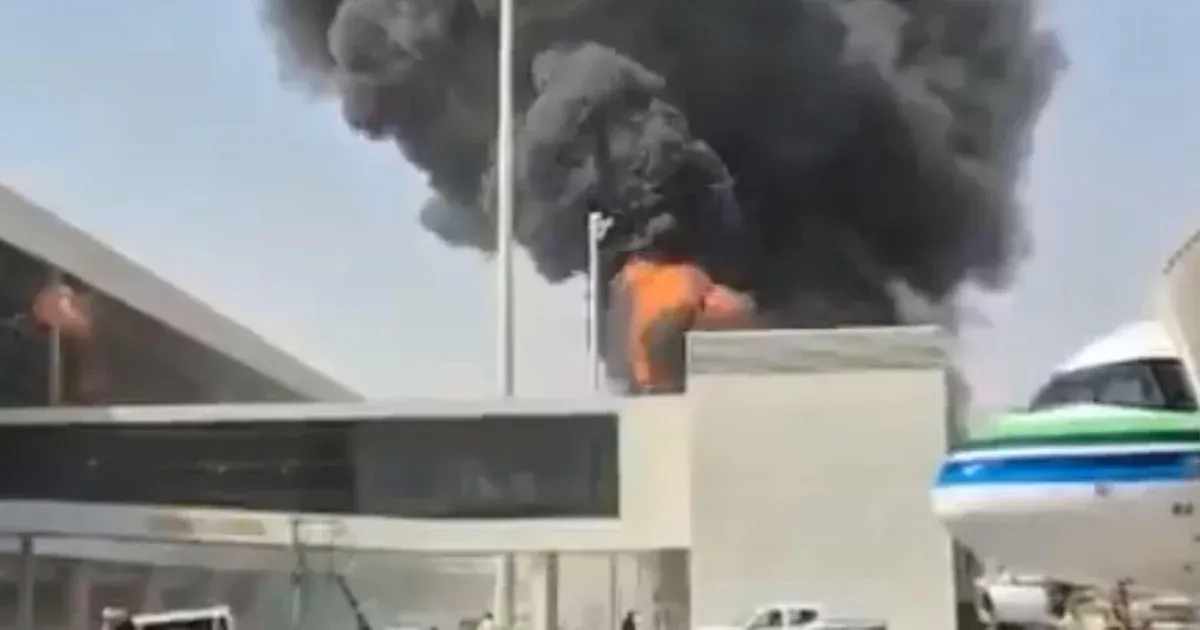 Photo: CBS News
Key points
President Donald Trump is considering U.S. military strikes against Yemen's Houthis after their attack on Riyadh's airport killed 13 people, including an American, and injured more than 300.
President Donald Trump is considering a new wave of U.S. military strikes against Iran-backed Houthi militants in Yemen after their attack on Riyadh's international airport killed 13 people, including an American, and injured more than 300. The rebels claimed responsibility for the strike and warned international airlines to avoid Saudi Arabia.
The decision carries weight because a renewed American campaign would return U.S. forces to active combat in the Middle East just weeks before the midterm elections. Trump has so far resisted pressure from Saudi Crown Prince Mohammed bin Salman to resume strikes, and has said he does not plan additional strikes against Iran until after the elections.
Why the attack matters now
Saudi Arabia has opened an investigation into how its air defences failed to intercept the barrage, two regional officials said on Monday. The initial probe showed the Houthis first fired multiple drones to clear the way for a mix of cruise and ballistic missiles that reached King Khalid International Airport.
How the attack got through
The missiles and drones flew more than 620 miles to reach Riyadh. The officials, who spoke on condition of anonymity because they were not authorised to comment publicly, said the inquiry also aims to find out why air defence systems did not give earlier warning of the incoming attack. The Houthis hold ballistic missiles and advanced systems fitted with warheads that can change direction during flight, a capability that challenges the Patriot interceptors and other defence systems the Saudis use. Video released by Saudi state media shows the moment militants struck the airport.
A second attack on Sunday killed one person, and the Houthis warned that more Saudi airports could be targeted. The rebels also claimed the strike on Saturday that killed the 13, and they are tightening control over the Bab al-Mandeb Strait, the waterway linking the Red Sea to the Gulf of Aden.
What Trump has said
Two maritime routes are now at risk. The Houthis have threatened shipping through the Bab el-Mandeb Strait, while Iranian attacks on commercial vessels in the Strait of Hormuz are already disrupting global energy shipments. National security analyst Alex Plitsas warned that avoiding the Red Sea route could add more than 10 days to shipping journeys.
If both waterways were disrupted, shipping companies could reroute vessels around Africa, adding days to deliveries and pushing up costs for consumers through higher oil and gas prices. Delta Air Lines said it is delaying plans for nonstop Atlanta-to-Riyadh flights, moving the launch to March 2027 from October 2026. The United States conducted a three-month bombing campaign against the Houthis last year to stop attacks on international shipping, and a cease-fire halted attacks on American shipping. Trump has largely avoided renewed confrontation since then, even as fighting intensifies between Houthi militants and Saudi forces.
The Houthis control much of northern Yemen and have fought a years-long conflict against Yemen's internationally recognised government, which Saudi Arabia supports. National security analyst Alex Plitsas called the fighting "sort of a shadow war between Saudi Arabia and Iran for years now." The next step rests with Trump, who said a decision on U.S. strikes would come quickly. Saudi Arabia's air-defence investigation continues, and the Houthis have warned of further attacks on Saudi airports while the Riyadh airport remains closed.
Frequently asked questions
How did the attack get through Saudi air defences?
Saudi Arabia is investigating. The initial account says the Houthis first fired multiple drones to pave the way for cruise and ballistic missiles that flew more than 620 miles, and that air defences did not give earlier warning.
What is at stake for global shipping?
The Houthis have threatened shipping through the Bab el-Mandeb Strait while Iranian attacks disrupt the Strait of Hormuz. Analyst Alex Plitsas said avoiding the Red Sea route could add more than 10 days to journeys and raise oil and gas prices.
How this story was checked
- Fact-checked against 3 cited pages. 21 figures, dates and quotations in this story were found on the pages it cites; 3 passages that could not be checked were cut before publication.
- Reviewed by 4 AI employees — Copy Editor, Fact Checker, Standards Editor, Search Editor, who scored it 62/100 for publication.
Pages checked (3 of 3)
- cbsnews.comread and checked
- foxbaltimore.comread and checked
- 41nbc.comread and checked
Written by Kaer from public reporting. Checked 13 October 2026.


