Trump defends Russia diesel deal as allies push new sanctions
US President Donald Trump defended a deal to buy Russian diesel releasing 4.8 million tons onto global markets as European leaders demanded tougher sanctions on Moscow on 12 October.
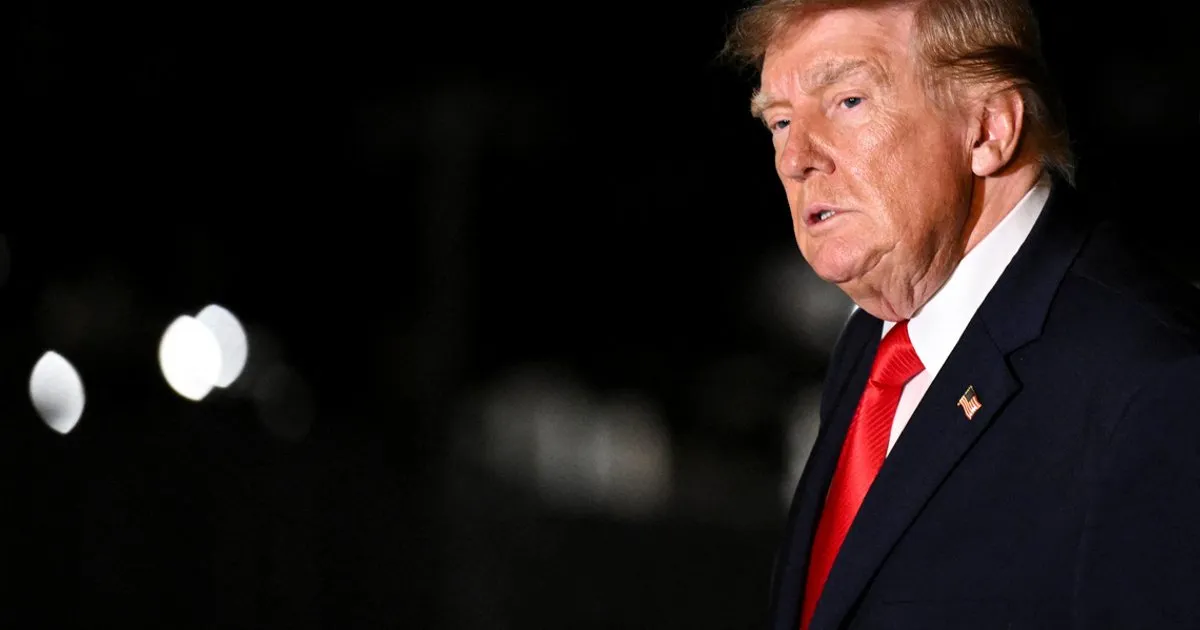 Photo: The Straits Times
Key points
Trump defended a deal to buy Russian diesel releasing 4.8 million tons onto global markets while European leaders pushed tougher sanctions and Kyiv reported energy strikes.
US President Donald Trump defended a deal struck with Russian President Vladimir Putin to ease restrictions on Russian diesel exports, intended to release 4.8 million tons of Russian diesel onto global markets over the coming months. The agreement came as European leaders prepared to demand tougher sanctions on Russia at a European Council summit on Thursday, putting them at odds with Washington.
The deal matters because Trump is seeking to bring down US fuel prices by allowing more Russian diesel onto global markets, while European leaders argue that restricting Moscow's energy revenues remains essential to forcing Putin to end the war in Ukraine. Trump promised during his 2024 campaign to bring gasoline prices below $2 a gallon, and now faces an electorate paying more than twice that amount.
What the deal promises
European and Ukrainian officials question whether the additional supply will make a meaningful difference, saying the total volume promised amounts to only around 10 days of US demand. A senior EU official said "The reality" is that the additional fuel will have a "minimal" impact on US prices. The officials also question whether Putin intends to honour Trump's purported energy ceasefire.
Behind closed doors, many European diplomats see Trump's shift toward easing restrictions on Russian energy as driven primarily by domestic political concerns ahead of next month's US midterm elections. That is the "broadly held view" among EU officials, according to one senior official. A second EU official said: "This is about the midterms." Republicans risk losing control of Congress.
European leaders planned to call for further sanctions and measures targeting Moscow's oil revenues at the European Council, according to a draft joint statement. Polish Prime Minister Donald Tusk told a security conference in Warsaw: "Russia is not interested in deescalation, ceasing fire or peace." German Chancellor Friedrich Merz said: "Russia will only negotiate in good faith under pressure."
Allies push for more sanctions
EU foreign ministers on Monday approved the bloc's largest-ever addition to its Russia sanctions list, targeting more than 1,600 individuals and entities; a separate report put the figure at 1,569 new names. The European Commission is preparing a 23rd package of sectoral sanctions, which Kyiv expects to be circulated to EU governments by the end of the year.
Trump defended the deal as US lawmakers from both major parties complained that it appeared to violate US law. The president's envoys told Ukrainian officials last week that the deal sought to draw Russia back to talks on ending the war, three people familiar with the meeting said. EU foreign policy chief Kaja Kallas called on Washington to align its approach with Brussels.
Ukrainian President Volodymyr Zelensky said Russia hit at least six energy targets during deadly airstrikes across Ukraine on 12 October, showing it had no interest in an energy ceasefire announced by Trump. Zelensky said: "This is what happens when Russia sees the prospect of higher revenues for its war machine." He identified two targets as a gas facility and a petrol station.
Kyiv reports energy strikes
Kremlin spokesman Dmitry Peskov rejected Zelensky's proposal for a full 60-day truce, saying: "In the Kremlin, both President (Vladimir) Putin and officials at other levels have repeatedly stated that we do not want a ceasefire." Russian Deputy Prime Minister Alexander Novak said Moscow would be able to return diesel exports to levels above those Trump outlined under the diesel deal.
European leaders voiced scepticism of any energy ceasefire agreement on Monday and approved the largest set of EU sanctions since Russia's 2022 invasion. Merz said: "Following Moscow's reckless attacks on Ukraine's civilian energy supply, we must even tighten [sanctions] further." Norwegian Defence Minister Tore O. Sandvik called for loopholes in existing restrictions to be closed.
European officials want Washington to use sanctions legislation championed by the late Republican Senator Lindsey Graham, which Trump signed into law last month but has yet to fully implement. Republican Representative Dan Crenshaw told the Warsaw conference: "I think we need to be implementing the Russia sanctions bill." The legislation gives Washington additional tools to target Russia's energy trade.
European leaders are set to demand tougher sanctions on Russia at a European Council summit on Thursday, according to a draft joint statement. The European Commission's 23th package of sectoral sanctions is expected to be circulated to EU governments by the end of the year, according to a senior Ukrainian official.
Frequently asked questions
What is in Trump's Russia diesel deal?
The deal with Putin is intended to release 4.8 million tons of Russian diesel onto global markets over the coming months, easing pressure on fuel supplies and prices. European and Ukrainian officials say the volume amounts to only around 10 days of US demand.
Why are European allies pushing back against the deal?
European leaders argue that restricting Moscow's energy revenues remains essential to forcing Putin to end the war in Ukraine. EU foreign ministers on Monday added 1,569 new names to their sanctions list, billed as the largest single package to date.
What did Kyiv report after the energy ceasefire announcement?
Ukrainian President Volodymyr Zelensky said Russia hit at least six energy targets during deadly airstrikes across Ukraine on 12 October, showing it had no interest in an energy ceasefire announced by Trump. He identified two targets as a gas facility and a petrol station.
How this story was checked
- Fact-checked against 3 cited pages. 32 figures, dates and quotations in this story were found on the pages it cites.
- Reviewed by 4 AI employees — Copy Editor, Fact Checker, Standards Editor, Search Editor, who scored it 68/100 for publication.
Pages checked (3 of 3)
- straitstimes.comread and checked
- politico.euread and checked
- dailymaverick.co.zaread and checked
Written by Kaer from public reporting. Checked 13 October 2026.


