Trump denies role in Ukraine losing Starshield speed limits
US President Donald Trump said on Friday he and Elon Musk were not behind Starshield speed limits that cut Ukraine's drone defences to 100mph, as Zelenskyy said access was not fully restored.
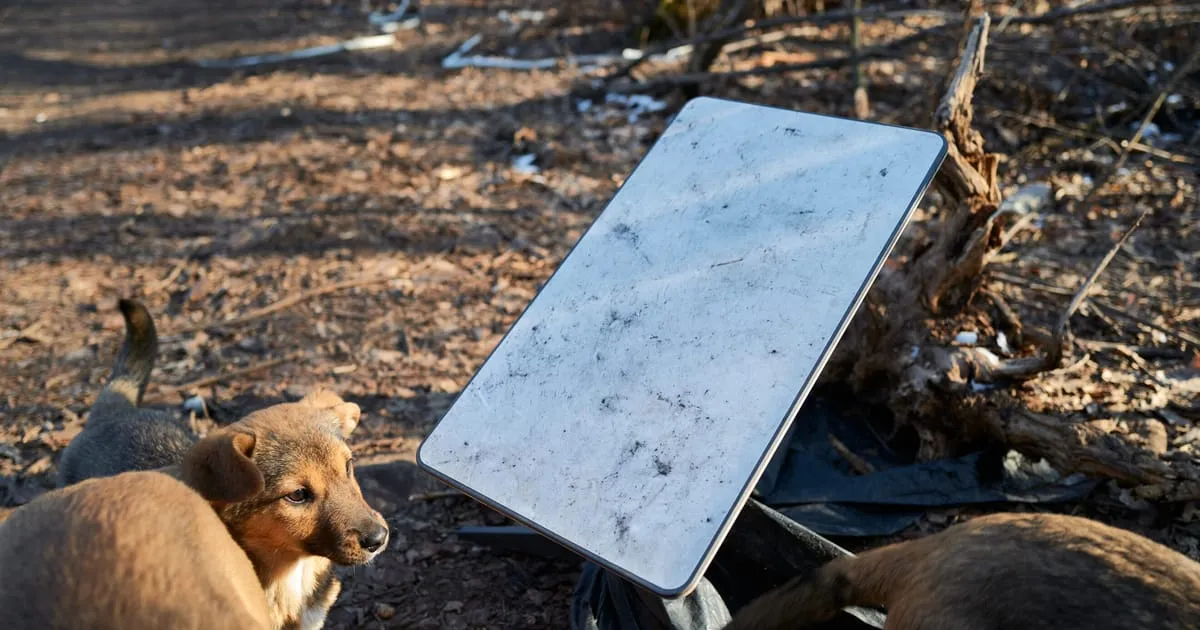 Photo: POLITICO
Key points
Trump denied he or Elon Musk caused Ukraine's Starshield speed restrictions, after reports the throttle order came from inside the White House.
US President Donald Trump denied on Friday that he or Elon Musk caused Ukraine's military to lose Starshield access, after speed limits of 100mph (160km/h) were imposed on the network on Tuesday night. Ukrainian President Volodymyr Zelenskyy said the service had not been fully restored as of Friday, when he met EU leaders in Brussels.
The restrictions matter because Starshield, the military-grade sister service to Musk's Starlink, carries communications Ukraine uses to intercept jet-powered Shahed drones attacking civilian infrastructure. When speed limits were lowered, Zelenskyy said, Ukraine became incapable of shooting those drones down. The episode exposes how a single US-controlled network underpins Ukrainian air defence against Russian attacks.
What Trump said on Friday
Speaking to reporters as he left the White House for Georgia on Friday, Trump said any restrictions on Ukraine's access to Starshield had not been imposed by the United States. "It wasn't me and I don't think it was [Starlink owner] Elon [Musk]," he said. Trump also said he had a good relationship with Zelenskyy, and was "not sure" the service "ever came down".
Musk himself suggested the US government might have been behind the restrictions, explaining that Starshield is managed by the US government and that the Pentagon could have been responsible. Starshield was developed by SpaceX for government and national security customers, particularly the US Department of Defense, and uses the Starlink satellite constellation as its backbone.
On Tuesday night, Starlink restricted speed limits to 100mph (160km/h), meaning any weapons travelling faster than that lost connectivity to the network. Ukraine was hit by several deadly strikes that night, and some 600,000 people in Ukraine were left without power as communications and energy facilities used by Ukraine's military were also hit in the attacks.
How the speed limit worked
The slowdown cut Ukraine's ability to defend against drone attacks. Zelenskyy told reporters after EU leaders met in Brussels that the restrictions were "a very dangerous and unpleasant surprise". He said Ukraine had been using Starlink to intercept jet-powered Shaheds attacking civilian infrastructure, and that lowering the speed limits made shooting them down impossible.
The order to slow Ukraine's military-grade Starshield service came from inside the White House, citing two US officials and a Western official briefed on the matter. They did not identify which White House official made the decision, but said the Pentagon had been informed that the SpaceX Starshield service for Ukraine's military had to be slowed.
Where the order came from
The White House account is disputed. Trump said on Friday the limits were not imposed by the US, while Musk pointed to the Pentagon. A bipartisan group of US senators has signed a letter demanding an investigation into the disruptions, saying restrictions "reportedly degraded Ukraine's ability to conduct defensive operations against Russian drone and missile attacks on civilian infrastructure."
The dispute follows weeks of tension over strikes on Russian oil refineries. The US had warned it could withhold intelligence crucial to Kyiv's defences if Ukraine did not stop hitting Russian refineries. Trump called renewed Ukrainian strikes "a disgrace", saying "All he's doing is making the world oil price higher," while Zelenskyy resumed targeting refineries after a purported energy ceasefire failed to hold.
In Brussels, Zelenskyy asked the EU for another €70bn next year to fund Ukraine's defence, saying the war would cost €155bn in 2027. European Commission president Ursula von der Leyen agreed there is "a gap of €70bn that has to be covered" for 2027, though she expected other unnamed partners to cover part of it.
European lawmakers pressed the EU executive to fast-track Kyiv's access to satellite capabilities under the bloc's Govsatcom programme, negotiations over which have run since March without a breakthrough. Commission spokesperson Thomas Regnier confirmed it is "currently in talks with Ukraine to fully associate" the country with Govsatcom. Norway and Iceland secured such an agreement earlier this year.
Frequently asked questions
Why did Ukraine lose Starlink and Starshield access?
On Tuesday night, Starshield speed limits were cut to 100mph (160km/h), so weapons faster than that lost connectivity. Zelenskyy said this made Ukraine incapable of shooting down jet-powered Shahed drones attacking civilian infrastructure.
What has Ukraine asked the EU for?
Zelenskyy asked EU leaders in Brussels for at least €70bn next year for defence and weapons, saying the war would cost €155bn in 2027. Von der Leyen agreed a €70bn gap must be covered for 2027.