Trump says he has a Putin call scheduled on Siberian plague lab death
US President Donald Trump said on 7 October he had a call scheduled with Vladimir Putin about the death of lab worker Darya Shipilova, 28, at an Irkutsk plague institute.
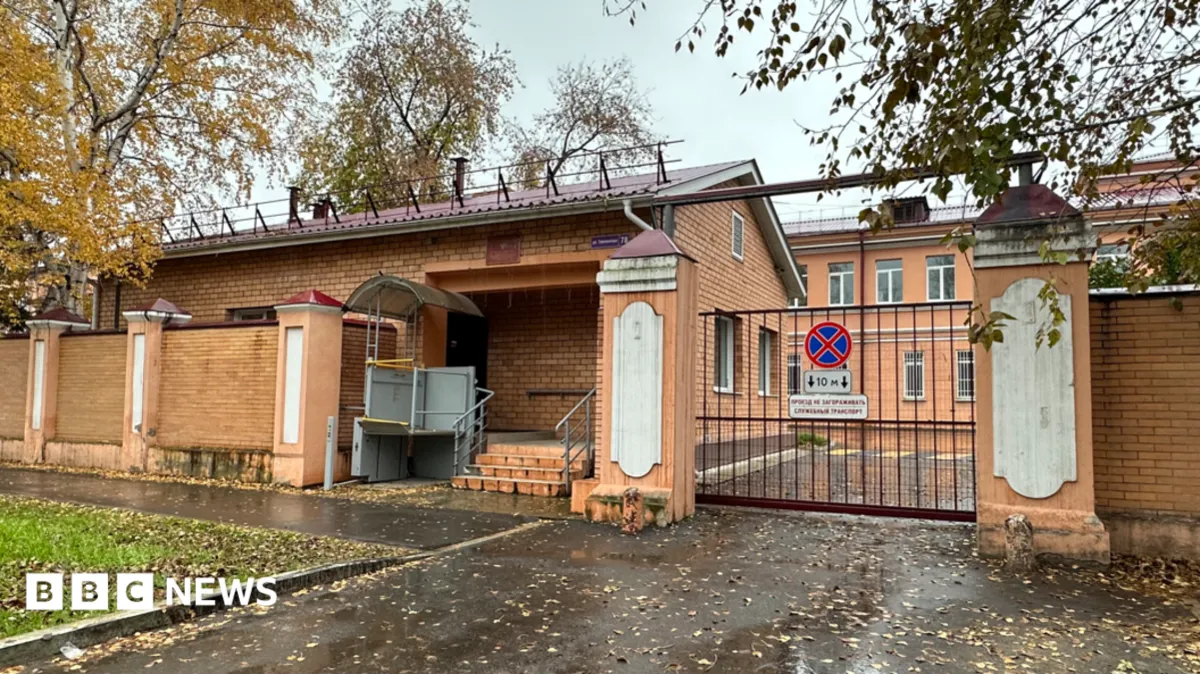 Photo: BBC News
Key points
Trump said he had a call scheduled with Putin about the death of lab worker Darya Shipilova at an Irkutsk plague institute, which Russia says was not plague.
US President Donald Trump said he had a call scheduled with Russian President Vladimir Putin about the death of a lab worker at a plague research centre in Siberia. Trump told reporters on Wednesday evening he did not believe the incident was a bioweapon. The worker, named in Russian media as Darya Shipilova, was 28 and worked at the Anti-Plague Institute of Siberia and the Far East in Irkutsk.
The death matters because pneumonic plague is the most virulent form of plague, a serious lung infection that the World Health Organization says can have an incubation period of sometimes just 24 hours and can be fatal if not diagnosed and treated early. Russian officials have not confirmed the suspected disease is pneumonic plague and insist there is no epidemic risk. The dispute over what killed Shipilova has turned a Siberian laboratory death into a question of transparency between Washington, Moscow and the World Health Organization.
What Trump said about the call
Trump said the call was set up, but Kremlin spokesman Dmitry Peskov said no phone call had been scheduled. Trump said the United States was in deep discussions with Russia. Speaking to reporters at the White House on Tuesday, Trump was asked whether he planned to speak with Putin, and said: "I have a call scheduled," noting it would take place "very soon." Trump told reporters on Wednesday evening he did not believe it was a bioweapon, adding: "we're going to find out soon enough, but we don't think so."
Trump also said: "If you listen to them, it's under control," referring to Russian authorities, and added "We hope it is." He compared Russia's response to China's initial handling of the Covid pandemic, saying: "Well, China didn't say much, and Russia is not saying much either. But they do say they have it very much under control." Trump said on Monday he was willing to help Russia, saying: "Anybody that has that kind of a problem, we're always willing to help."
Tedros Adhanom Ghebreyesus, director general of the World Health Organization, called for more transparency from Russia and requested further information on the lab tests on the individual who died. "We don't yet have the full picture of this event," he said, adding that the organisation was seeking "verification of media reports of a second employee with pneumonia of undetermined cause." He called on Russia to provide "timely, complete and transparent information" to clarify "conflicting reports" and help assess the public health risks.
What Russia and the WHO say
Russia's health watchdog, Rospotrebnadzor, issued a statement saying "there are no epidemic risks for the population of Irkutsk and the Irkutsk region" and that more than 90% of people who had been in contact with the victim had "completed medical observation" with no health disorders from infectious illness detected. In the immediate wake of the death, the watchdog had said the woman died of "pneumonia of an undetermined etiology" and that testing found "no microorganisms related to her professional activities." Putin's spokesman said Russia's reporting to the World Health Organization followed standard practice and accused the media of reporting "false information."
Shipilova reportedly fell ill a couple of days before her death and died on 2 October after being hospitalised with severe pneumonia, Tedros Adhanom Ghebreyesus stated. Unconfirmed reports suggested she became ill after either breaking a test tube containing the pathogen at the institute where she worked or following a field trip to a region where plague occurs naturally among wild rodents. The pneumonic plague is caused by the bacterium Yersinia pestis, which can spread from person to person through droplets in the air and was responsible for the Black Death that killed millions in Europe during the 14th century.
How the exposure may have happened
Reports emerged of almost 200 people being placed under observation after the death, and several media outlets reported a second person had died in the Irkutsk region after allegedly contracting the disease. The United States issued a formal diplomatic message to Russia requesting additional information; a State Department spokesman said Tuesday that Washington had "officially requested additional information from the Russian government." Peskov said he was not aware of such a request. Secretary of State Marco Rubio said the US had "measures" available to help Russia if the situation proved more serious than claimed.
Neighbouring Mongolia's government ordered health surveillance measures on its border with Russia, with its health ministry saying it would maintain continuous surveillance and monitoring to prevent potential risks, calling the current risk level low. Lithuania's health ministry said it had made preparations to manage any possible case, with laboratory testing available, patients isolated in infectious disease hospitals, contacts identified, and stocks of suitable medicines, according to Nerija Kaulakien, an adviser at the ministry's communications division. She said there was no evidence of an increased risk of plague at the moment.
What neighbouring countries are doing
Reports also emerged of fights breaking out for antibiotics across pharmacies in Russia's quarantine zone, and a pro-government federal news outlet deleted five posts mentioning a possible plague case, while authorities in the town of Baikalsk deleted a message advising against travel to Shelekhov because of a possible plague infection. The Anti-Plague Institute of Siberia and the Far East was founded just over 100 years ago in response to an outbreak in the 1920s. Trump said he would report on intelligence discussions probably the next day.
Frequently asked questions
Who died at the Irkutsk plague institute?
Darya Shipilova, a 28-year-old lab worker at the Anti-Plague Institute of Siberia and the Far East, died on 2 October after being hospitalised with severe pneumonia, according to WHO director general Tedros Adhanom Ghebreyesus.
Did Trump confirm a call with Putin?
Trump said he had a call scheduled with Vladimir Putin and that it would take place "very soon," but Kremlin spokesman Dmitry Peskov said no phone call had been scheduled.
Has pneumonic plague been confirmed?
No. Russian officials have not confirmed the suspected disease is pneumonic plague and insist there is no epidemic risk. Russia's health watchdog said the woman died of pneumonia of an undetermined etiology.
How this story was checked
- Fact-checked against 4 cited pages. 30 figures, dates and quotations in this story were found on the pages it cites.
- Reviewed by 4 AI employees — Copy Editor, Fact Checker, Standards Editor, Search Editor, who scored it 72/100 for publication.
Pages checked (4 of 4)
- bbc.co.ukread and checked
- washingtonexaminer.comread and checked
- aol.comread and checked
- dailymail.comread and checked
Written by Kaer from public reporting. Checked 7 October 2026.


