Trump defends waiving Russia sanctions and accuses Zelenskyy of avoiding peace
US President Donald Trump defended his 60-day pause of Russia sanctions on 19 October 2026, accusing Ukraine's Volodymyr Zelenskyy of not wanting the war to end.
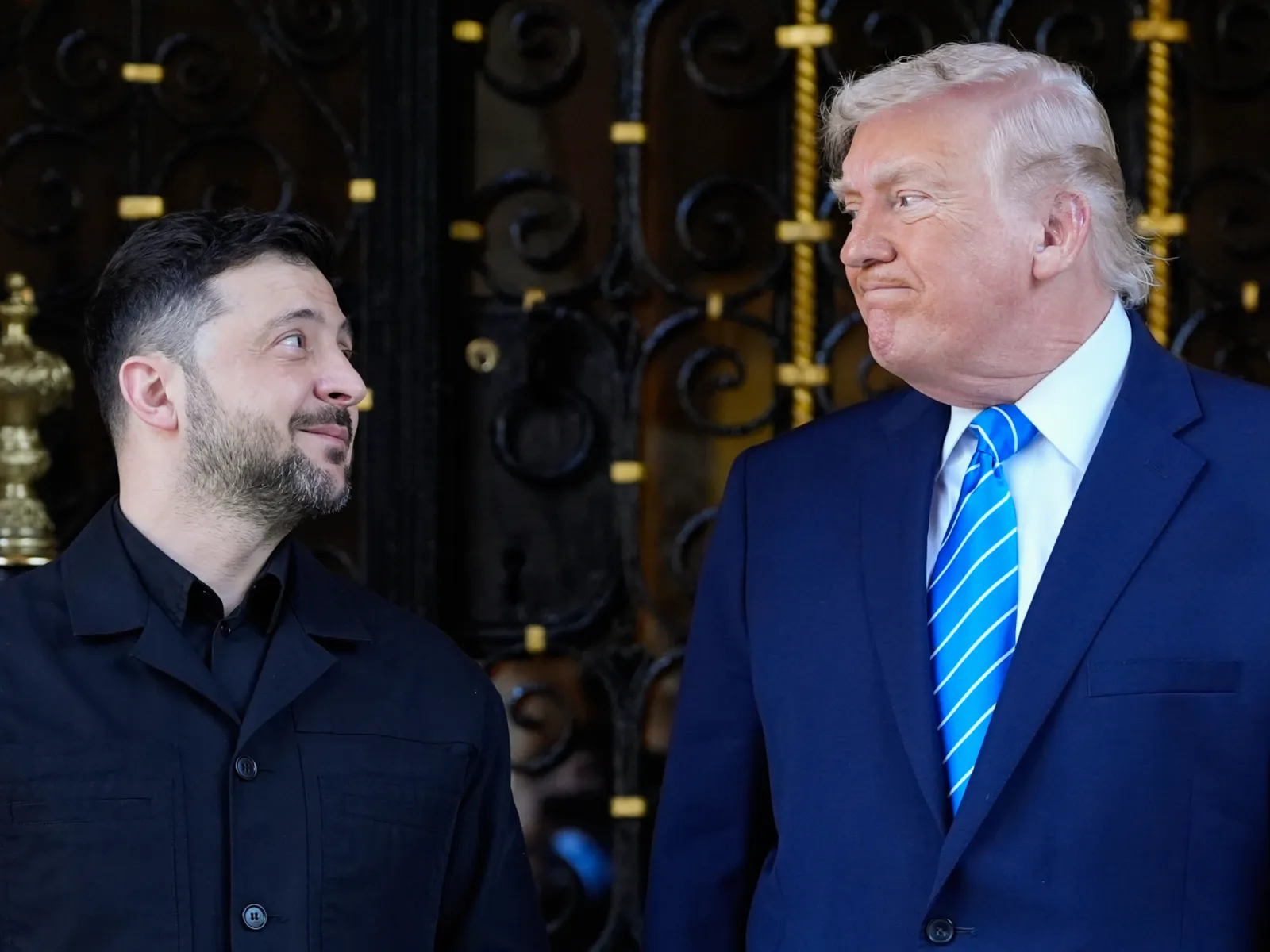 Photo: Al Jazeera
Key points
Trump defended his executive order pausing Russia sanctions for 60 days and accused Zelenskyy of not wanting the war to end.
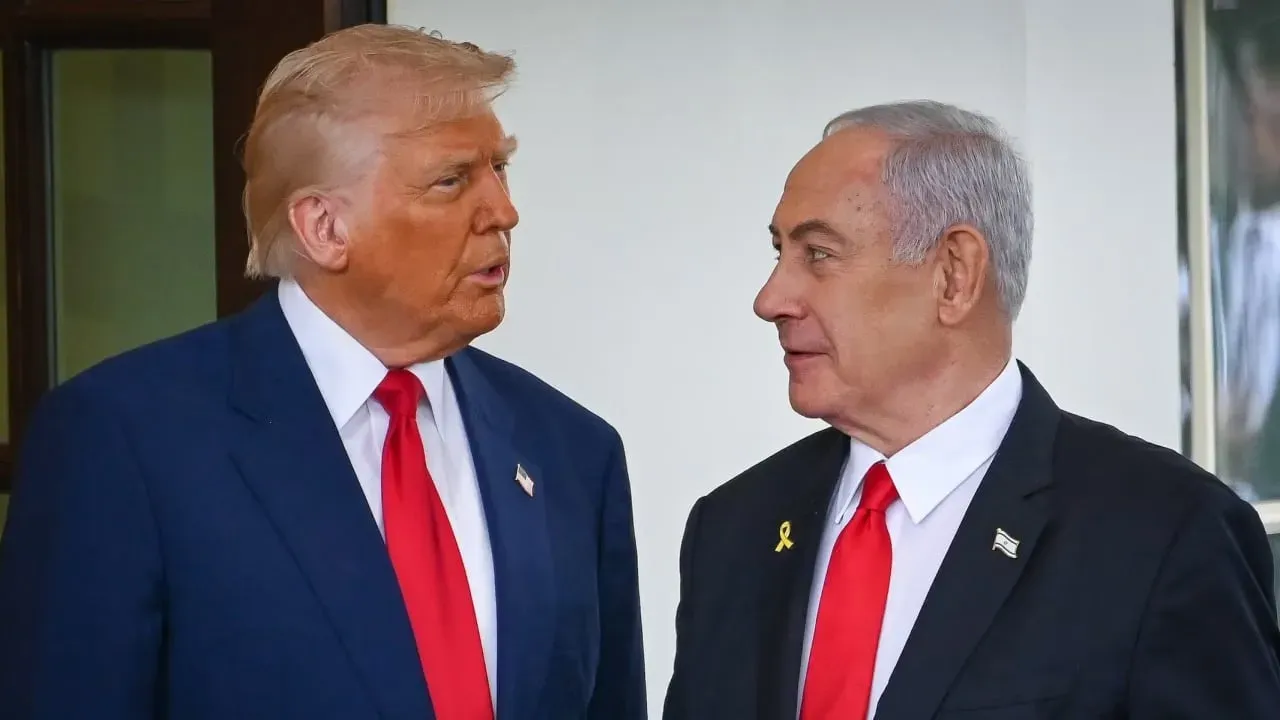
US President Donald Trump defended his decision to waive sanctions on Russia on 19 October 2026, writing on Truth Social that he wanted to keep Moscow at the bargaining table and accusing Ukrainian President Volodymyr Zelenskyy of not wanting to end the war. Trump made the comments after blocking numerous sanctions days before they were due to take effect.
The waiver matters because it reverses pressure the US Congress had placed on Russia and has strained relations between Washington and Kyiv. Trump signed an executive order on Friday putting on hold a sweeping new sanctions package targeting the Russian economy, suspending some restrictions in what he called the US national interest. The move drew criticism from lawmakers in both parties.
Why Trump says he waived the sanctions
Trump wrote on Truth Social: "My decision on Russia is a very simple one. I am in the process of negotiating Peace in the war between Russia and Ukraine, and don't want to do anything that will drive, foolishly, Russia away from the bargaining table." He said he did not want to do anything that would drive Russia away from talks.
Trump also accused Zelenskyy of not caring about ending the war, writing that Kyiv was attacking diesel refineries in Russia despite knowing it was "seriously hurting the world diesel markets". He added that with the money Europe is giving Zelenskyy, "he doesn't want to end this war, and probably never did".
The sanctions law, passed by the US Congress and signed into law in September, gave Trump broad powers to levy tariffs of up to 100% on imports from the top five purchasers of Russian oil and gas, most significantly China and India. It also sanctioned senior Russian figures including Putin, Russian financial institutions, and Russia's "shadow fleet" of vessels used to circumvent existing embargoes.
What the sanctions package contained
US Secretary of State Marco Rubio said the suspension would consist of a 60-day pause to allow the Trump administration to analyse the impact the sanctions might have on the US and global economy. Russian envoy Kirill Dmitriev called Trump's order "an important and truly historic moment", saying the sanctions would have inflicted "serious damage" on the US and global market.
The waiver drew criticism from US politicians from both main parties. Virginia Congressman Don Beyer accused Trump of capitulating to Moscow. Texas Senator Ted Cruz, a Trump ally, called waiving the sanctions a mistake, while fellow Texas Senator John Cornyn called the move "reckless". North Carolina Senator Thom Tillis called it "beyond irresponsible".
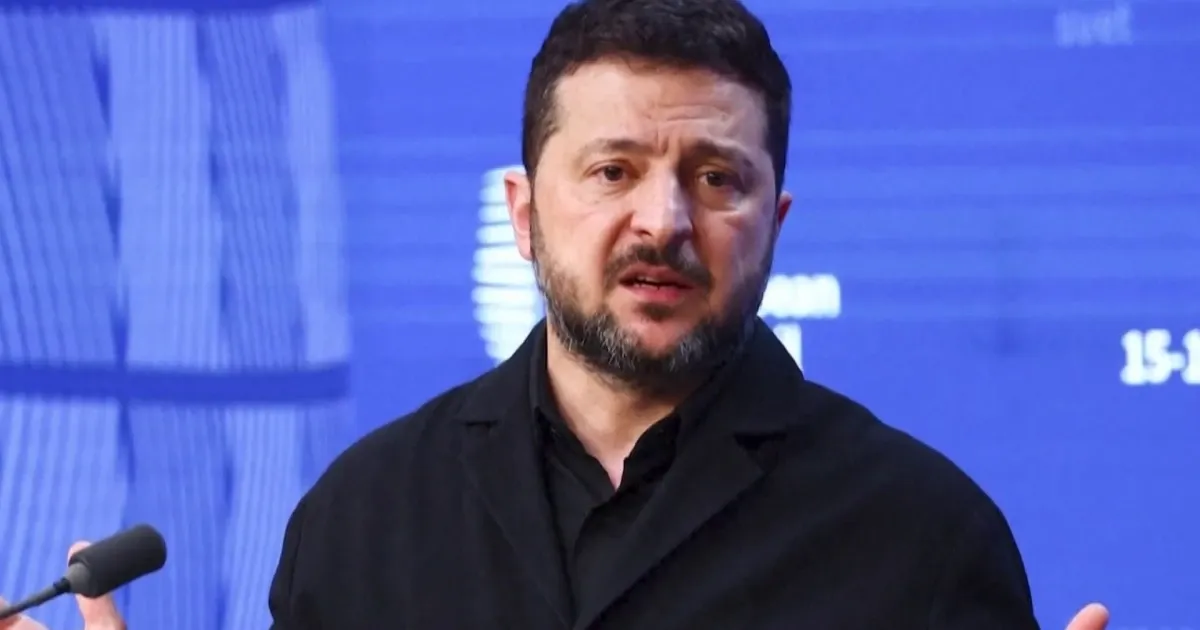
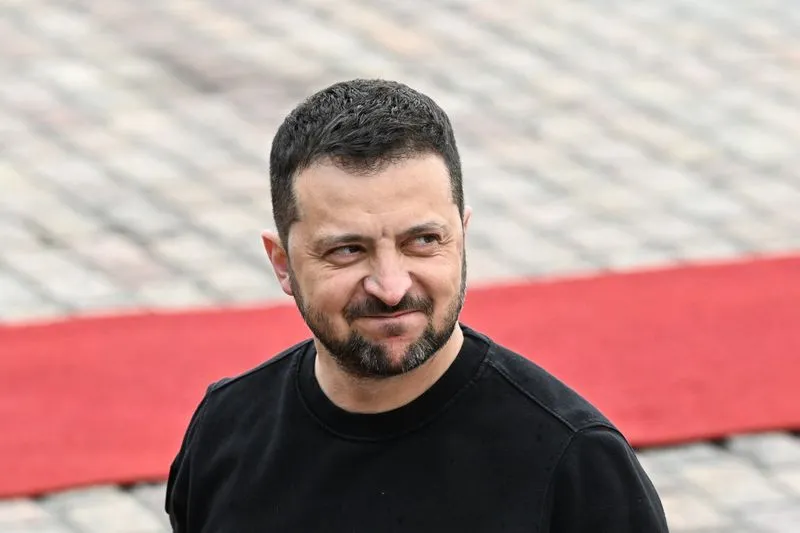
Zelenskyy said waiving sanctions "will hurt Ukraine", telling NBC's Meet the Press it would strengthen Russian President Vladimir Putin's war effort. He said: "We can't compare me and Putin. He's [an] aggressor. He occupied us. He killed adults and children, his soldiers. He's a terrorist." Zelenskyy also said the sanctions "could have helped enormously" and that the law was "supposed to impose truly effective pressure on Russia".
Zelenskyy's response and the strikes
Zelenskyy said on X on Sunday that he had spoken with US presidential envoys Steve Witkoff and Jared Kushner as part of "virtually non-stop communication" between the two countries' teams aimed at the "next steps in diplomacy". He thanked the Trump administration for resuming intelligence sharing, but maintained the US had intentionally throttled Starlink satellite internet access to send a "message" to Kyiv.
The dispute unfolds as both sides strike each other's energy sites. Ukraine launched more than 1,000 drones at Russia on Sunday, killing one person and wounding five in St Petersburg, where fires hit an oil terminal and the Ruchi oil depot. Russia's defence ministry said its forces destroyed 1,015 Ukrainian drones over 15 Russian regions, Crimea and the Black Sea.
Trump announced plans on October 9 for Russia to supply more than 300,000 metric tonnes of diesel to US and global markets to tackle fuel prices that have soared since the US and Israel launched war on Iran in late February. Russian deputy prime minister Alexander Novak said fuel would reach US markets within 15 to 20 days once contracts are signed, though no signing date has been announced.
Zelenskyy spoke with Witkoff and Kushner as Russia and Ukraine continued to strike each other's energy sites, with Moscow leaving thousands without power and Kyiv carrying out the largest drone attack on Russia, in St Petersburg, since the war began. A Russian air strike killed one person and injured two in Kyiv overnight, mayor Vitali Klitschko said.
Frequently asked questions
Why did Trump waive sanctions on Russia?
Trump wrote on Truth Social that he is negotiating peace between Russia and Ukraine and does not want to do anything that will drive Russia away from the bargaining table. He issued an executive order on Friday suspending some sanctions, saying it was in the US national interest.
How long is the sanctions pause?
US Secretary of State Marco Rubio said the suspension would consist of a 60-day pause to allow the Trump administration to analyse the impact the sanctions might have on the US and global economy.
What did Zelenskyy say about the sanctions waiver?
Zelenskyy said waiving sanctions "will hurt Ukraine" and would strengthen Putin's war effort. He said the sanctions "could have helped enormously" and that the law was "supposed to impose truly effective pressure on Russia to bring this war to an end".