Uber confirms Fireworks AI breach exposed 7,870 driver licenses
Uber notified thousands of drivers that their license data was stolen in an October breach at AI vendor Fireworks AI, with 7,870 confirmed affected across three states.
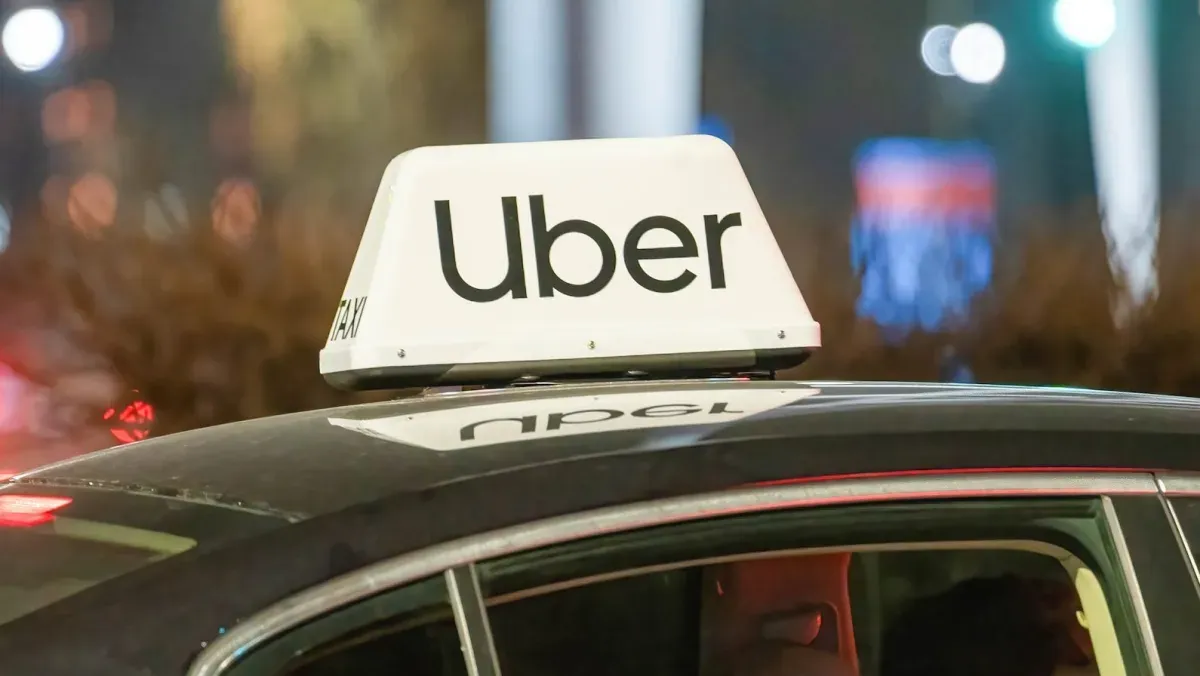 Photo: TechCrunch
Key points
Uber confirmed that hackers stole driver license data from AI vendor Fireworks AI, affecting at least 7,870 drivers in three states.
Uber is notifying thousands of drivers that their personal and driver's license information was stolen during an October data breach at one of its tech providers, Fireworks AI. The ride-hail giant confirmed the breach in filings submitted to several U.S. attorneys general, including California, this week. The provider notified Uber on October 9 that hackers broke in and stole internal credentials, which were used to access Uber's data.
The stolen data includes driver's licenses of 2,567 individuals in Massachusetts, 3,430 people across South Carolina, and 1,873 residents of Rhode Island, according to data breach notices seen. That totals about 7,870 affected drivers in three states. A filing with Illinois showed some state residents had their driver's license information stolen, but the number of affected people was pending. Uber also notified drivers in California but did not say how many had their information stolen.
What was stolen
The number is expected to rise as more data breach notifications roll in. Uber did not say how many customers are affected by the breach, nor how many drivers it was notifying about the incident. The company has alerted almost 8,000 compromised driver accounts spanning the three states, according to Mashable. Uber currently operates a fleet of more than 10 million drivers and couriers, according to third-party estimates.
The provider is Fireworks AI, a company that lets developers access and use open AI models. Fireworks reported a data breach last month in which hackers stole its customers' information, including billing data and some private AI datasets. Online productivity startup Notion confirmed its data was also stolen in the Fireworks hack. Notion confirmed the actors obtained anonymized chat transcripts of Notion AI customers.
Fireworks attributed its breach to a financially motivated cybercriminal group whose goals are to sell stolen tokens for accessing large language models, or LLMs. The company connected the attacks with LLMJacking, a scheme based on stolen access to AI models. In a separate case, Google and Mandiant revealed that unauthorized AI use incurred costs of more than $100,000 within just one day, but those expenses are not associated with Uber.
How the breach happened
Fireworks announced in its November 9 bulletin that the breach was more serious than just stolen credentials. Account and billing information were accessed, and certain customers had their secrets, datasets, and unfinished AI models accessed. Fireworks specified that payment card numbers were unaffected. The company also revealed another breach on October 23, when a provider of cloud services hosting Fireworks systems was victimized, and hackers used that access the following day to obtain further customer information.
Uber said it cut off the data connection immediately and launched an investigation. By October 13, the company had verified unauthorized access to the drivers' personal data. The notice to drivers about the incident was dated November 10, which means 28 days passed since the verification was made. However, the gap between verification and notification of affected drivers does not mean that there is a reporting violation. Uber has provided its users with complimentary monitoring and fraud assistance from Cyberscout, and no misuse has been reported.
This is Uber's second known data breach this year. The company reported a security incident at its Uber Freight truck shipping unit, for which an extortion gang took credit for stealing data. Uber has faced a major data breach before, but its response was different. In 2018, California's attorney general announced a $148 million settlement over a concealed 2016 breach affecting 57 million people. Investigators said Uber paid hackers $100,000 to remain silent and failed to notify more than 174,000 California drivers.
Uber's response and risks
This time, Uber says it promptly disconnected the affected provider, notified drivers and offered credit monitoring. So far, public disclosures show no evidence of a similar cover-up. The case underlines how outside providers have become a weak point for large companies. The World Economic Forum found that 65% of large companies considered third-party and supply-chain vulnerabilities their biggest cyber-resilience challenge, up from 54% in 2025. IBM estimated the global average breach cost at $4.99 million.
No known cybercriminal group has taken credit for the data theft. The South Carolina Department of Consumer Affairs independently confirms its state's count. The full extent of the breach remains unclear, as California and Illinois have not released their figures, meaning the 7,870 total covers only the three states with reported counts. The nationwide number of affected drivers is still unknown. Uber has not confirmed the total number of drivers directly impacted but has said it will notify all affected workers.
Uber requires all drivers to upload proof of a valid driver's license, insurance, and residency, as well as bank statements and payment information. In June, Uber announced additional background checks and expanded policies for reviewing and banning drivers based on public records. For Uber, three questions remain: How many drivers were affected nationwide? What specific information was exposed? What safeguards controlled Fireworks' access to Uber data? The company's public notice leaves these questions unanswered.
Frequently asked questions
How did hackers get Uber driver data?
Attackers stole internal credentials from Uber's vendor Fireworks AI and used them to access Uber's data. Fireworks reported the breach to Uber on October 9, 2026.
How many Uber drivers were affected by the breach?
At least 7,870 drivers in Massachusetts, South Carolina, and Rhode Island were affected. The total is expected to rise as more states report figures.
What data was stolen in the Uber breach?
The stolen data includes driver's license information and personal details. Fireworks also reported access to billing data and some private AI datasets.