UK regulator proposes forcing Apple to open iPhone NFC access
Britain's Competition and Markets Authority proposed on 20 October 2026 that Apple open iPhone contactless payment access on fair terms, with a consultation closing 17 November 2026.
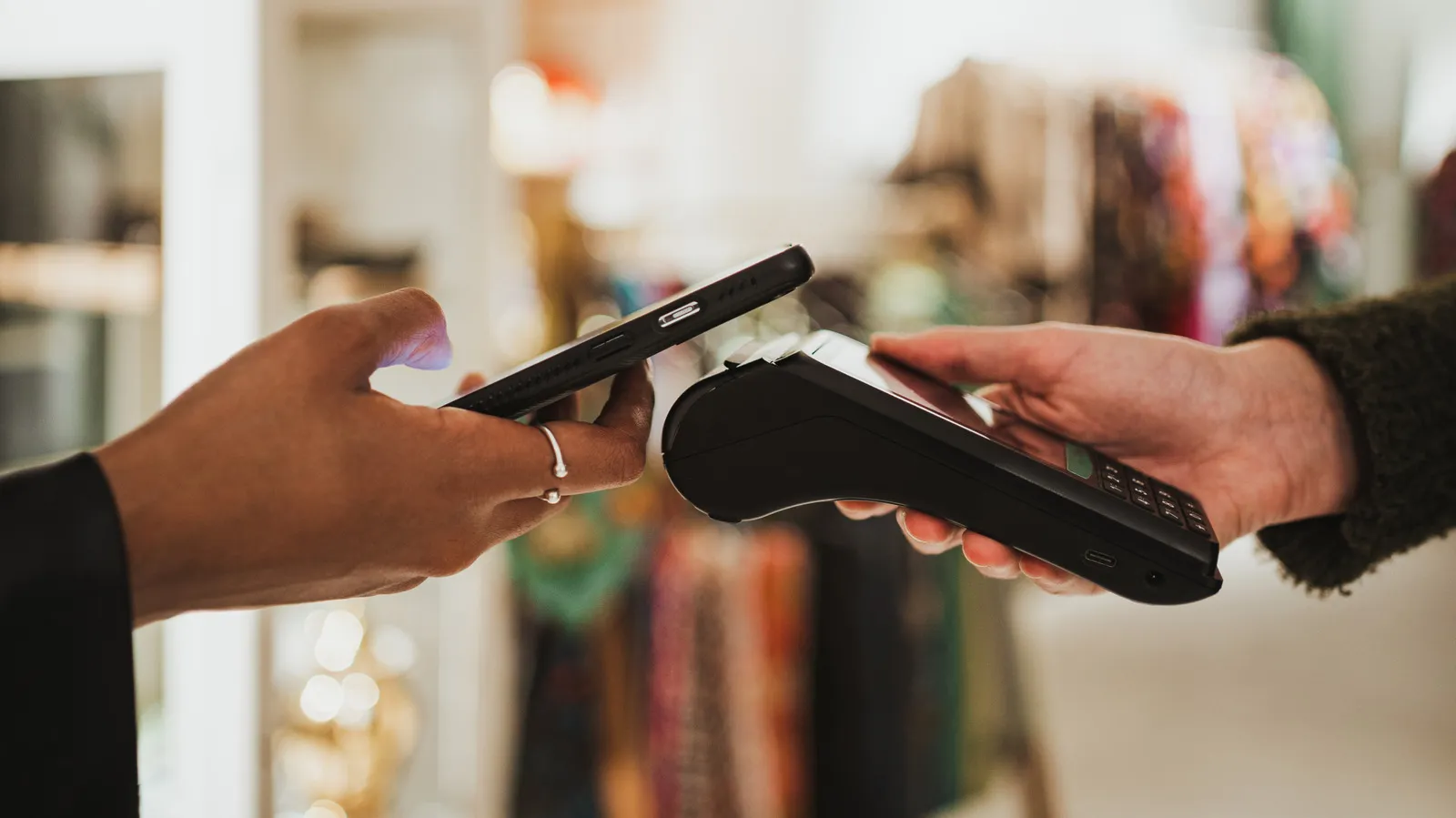 Photo: Engadget
Key points
The UK's Competition and Markets Authority proposed requiring Apple to open iPhone NFC contactless payment access to rival wallet providers, with a consultation closing 17 November 2026.
Britain's Competition and Markets Authority proposed on 20 October 2026 that Apple open its iPhone contactless payment technology to rival wallet providers, saying fees and access rules block UK financial technology firms from competing. The regulator wants access to the main international contactless standards and charges it expects to be substantially lower than Apple's current fees.
The proposal matters because it would let UK banks, fintechs and digital wallet providers offer services already available in the European Union, where Apple opened near-field communication (NFC) access under commitments made in 2024. Unlike in the EU, the CMA said, not a single firm has launched a wallet-type product to compete with Apple's in the UK.
What the regulator proposes
The CMA said complaints from industry participants centred on high fees, restrictive terms and technical barriers that limited rivals' ability to compete. It proposed that Apple open Wallet access to the main contactless standards used internationally, so UK firms can roll out payment services already offered in the EU, and said its evidence shows neither technology raises inherent security concerns.
Rather than setting prices itself, the CMA said it would propose principles for how rates should be determined, with the expectation that charges would be substantially lower than Apple's current fees. Access would be on fair and reasonable terms while Apple retains the ability to charge fees and earn a return on its technology.
How the UK differs from the EU
Contactless payments now account for 39% of transactions in the UK, while more than 60% of adults use a digital wallet, the CMA said. The UK fintech sector supports more than 360,000 jobs, and the regulator described Britain as a leading fintech hub. In the European Union, developers can request an entitlement to access the NFC chip by proving they meet industry standards and hold licences to process consumer payments, with no fees payable. Users can then choose the default wallet app shown when they double-click the side button or hold the phone near a payment terminal.
Since Apple's EU concessions took effect, firms including PayPal, Klarna, Curve and BBVA have launched rival wallets in Europe, while no comparable alternatives have emerged in the UK, the CMA said. In 2024 Apple committed to providing developers with NFC technology for tap-and-go payments, saving it from a fine of up to 10% of worldwide annual turnover.
Apple's objection and next steps
CMA Chief Executive Sarah Cardell said: "We have heard that high fees, strict terms, and technical restrictions relating to Apple's contactless technology make it too difficult for challengers to innovate and compete." She added that the proposals open the door to more innovation, more choice and economic growth. Apple has objected to the proposal. A spokesperson said: "We do not believe the CMA should require Apple to adopt an approach with lower privacy and security protections." Apple said it will continue to engage constructively to reach an outcome in the best interest of its users. A public consultation on the proposals will run until 17 November 2026, after which the CMA is expected to reach a final decision once responses are assessed.
Frequently asked questions
What is the UK regulator proposing for Apple's iPhone NFC access?
The Competition and Markets Authority proposed that Apple open Wallet access to the main international contactless standards, on fair and reasonable terms, with fees it expects to be substantially lower than Apple's current charges.
Why does the CMA want Apple to open iPhone NFC access?
The CMA said high fees, strict terms and technical restrictions make it too difficult for challengers to compete, and that not a single firm has launched a wallet-type product to compete with Apple's in the UK.
When does the consultation close and what happens next?
The consultation on the proposals runs until 17 November 2026, after which the Competition and Markets Authority is expected to reach a final decision once responses are assessed.