UK sanctions eight Israeli firms over West Bank settlements
Britain imposed asset freezes on eight Israeli construction firms and the Tzav 9 group, citing settlement expansion and Gaza aid blockades.
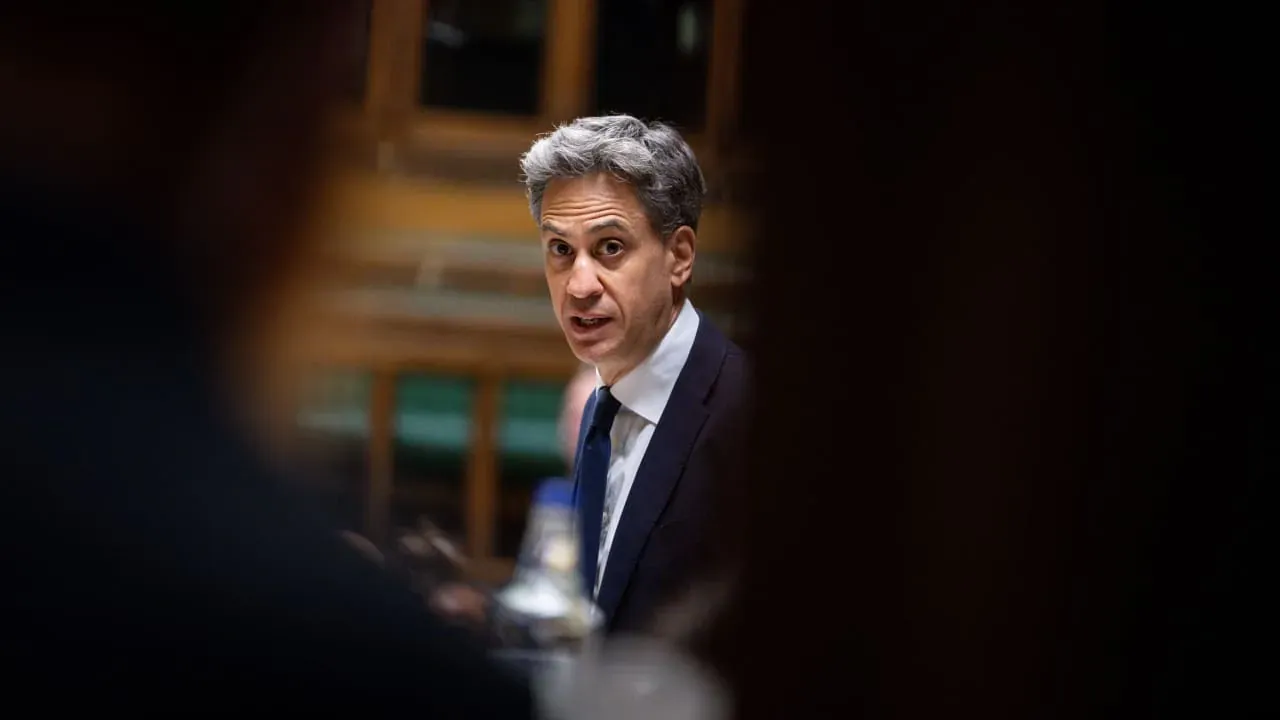 Photo: The Jerusalem Post
Key points
Britain sanctioned eight Israeli construction firms and the Tzav 9 group over West Bank settlements and Gaza aid blockades.
Britain imposed sanctions on eight Israeli construction companies involved in West Bank settlements and the Tzav 9 activist group, citing concerns over settlement expansion and Gaza aid deliveries. The British government announced on Tuesday that it would impose asset freezes and director disqualifications on the companies, including Har Hevron Development Company Ltd, Hemdat Shomron Ltd and S.A.G. (Velvel) Construction and Development Ltd, which construct and develop homes in the West Bank.
The sanctions are the first since the UK announced a tougher approach to Israeli actions in the territory. The government said the measures would disrupt the firms' flows of finance and their ability to support building in the West Bank. Settlements are illegal under international law, and there has been a rise in violence towards Palestinians by settlers in recent months.
What the sanctions target
The announcement came shortly before the final deadlines for the E1 tender, a settlement project which would bisect the Israeli-occupied West Bank and cut it off from East Jerusalem, fragmenting the land Palestinians hope will form the heart of a state. The plans, which have been condemned internationally, would in effect divide the West Bank in two and isolate East Jerusalem.
Foreign Secretary Ed Miliband said the E1 development would render a two-state solution "unviable" by "cutting through the heart of Palestine". He said: "Protecting the two-state solution is the North Star of this Government's approach. That is why my message on E1 is clear: do not bid, do not build, and do not profit from the destruction of the two-state solution."
The sanctions also target Tzav 9, an Israeli activist movement which the UK government says has organised and carried out blockades to prevent aid entering Gaza. The move comes after the UK expanded its human rights sanctions regime last month, enabling the government to sanction individuals and companies involved in violations of international humanitarian law anywhere in the world.
Why the E1 tender matters
The Foreign Office said the current Israeli government had "not only refused to clamp down on illegal settlement, but has facilitated and encouraged them". More settlements had been approved under the four years of this Israeli government than in the previous 20 years. The sanctions are designed to stop the flow of finance to eight identified construction firms, although in practice the extent to which any of the firms are dependent on British finance is yet to be tested. The entities targeted are Israeli construction, property development and architectural businesses that have helped to plan, build, supply or market housing and public infrastructure in Israeli settlements in the occupied West Bank.
The government is also developing separate legislation to ban the import of settlement goods and the provision of advertising services for settlement properties in the UK. On 8 September, Miliband announced an expansion of its Global Human Rights sanctions regime, as well as a complex set of measures, yet to be implemented, designed to ban the trade in goods from illegal settlements.
Gaza aid and the wider context
The Foreign Office said civilians in Gaza were in desperate need of winter supplies, with catastrophic floods leaving nearly 4,000 households without shelter and 1.4 million people living in tents or makeshift shelters. According to the UN, more than 150,000 tents and 300,000 tarpaulins bought by humanitarian partners and donors are outside Gaza ready to go in, but are being held by the Israeli authorities.
The Israeli government claims the blockage of some goods is necessary to prevent Hamas obtaining items that could be used to attack Israel. The dispute over dual-use goods and closed entry points into Gaza has lasted for more than two years. Britain's relationship with Israel has deteriorated significantly over the past three years due to Israel's conduct against Hamas in Gaza and settlement expansion projects in the West Bank.
In September, Israel threatened to close the British Consulate building in East Jerusalem in response to London's decision to impose trade sanctions on Israeli settlements in the West Bank. British and Israeli diplomats last month reached a last-minute agreement to avoid the closure of the consulate. Miliband said he wanted to work with a new Israeli government in a more cooperative way.
Peace Now, an advocacy group that promotes a two-state solution, denounced the government's annexation policies, accusing Prime Minister Benjamin Netanyahu and Finance Minister Bezalel Smotrich of "dragging Israel into paying a heavy diplomatic and economic price". "Today, it is already clear that the longer this government remains in power and the rampage in the territories continues, the more sanctions will expand and the damage to Israel will deepen," the group stated.
Israel's possible new prime minister, Gadi Eisenkot, has said that, if appointed, he will take a tougher approach than Netanyahu to settler violence. Miliband added: "We are committed to working productively with a new Israeli government and the Palestinian Authority to advance lasting peace and security for Israelis and Palestinians alike." The status quo in the West Bank and Gaza is unacceptable, he said.
Frequently asked questions
What did the UK sanction?
The UK imposed asset freezes and director disqualifications on eight Israeli construction companies involved in West Bank settlements and the Tzav 9 activist group, which it says blocks Gaza aid.
Why did the UK impose these sanctions?
The UK says the sanctions are to protect the two-state solution, which it argues is threatened by settlement expansion, particularly the E1 project that would divide the West Bank.
When were the sanctions announced?
The sanctions were announced on 17 November 2026, two days before the deadline for bids for construction tenders in the E1 area east of Jerusalem.