UN rights chief condemns Sudan drone strikes that killed 306
UN human rights chief Volker Türk condemned drone strikes across Sudan that killed at least 306 people and injured hundreds in the first three weeks of October 2026.
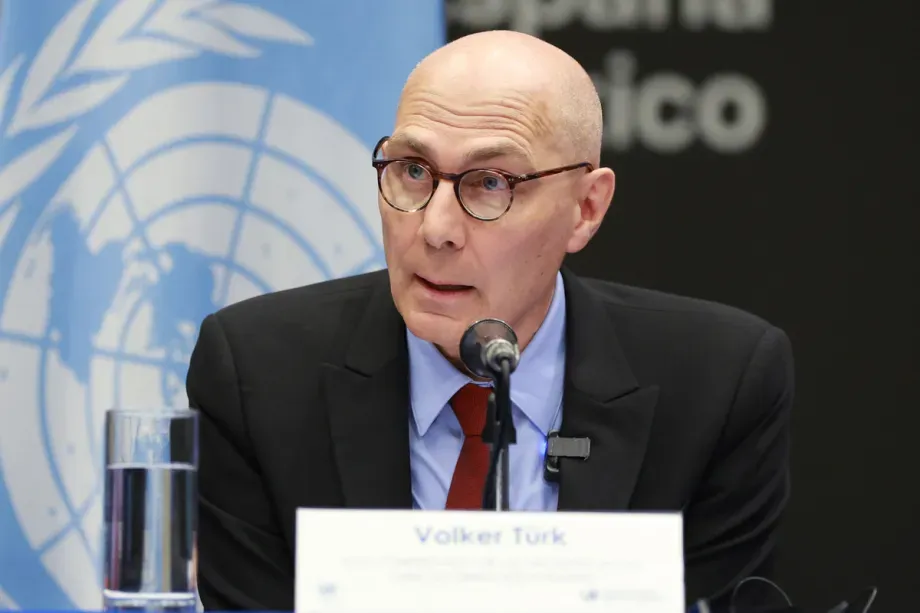 Photo: Middle East Monitor
Key points
UN rights chief Volker Türk condemned drone strikes across Sudan that killed at least 306 people in the first three weeks of October 2026.
UN human rights chief Volker Türk on Friday strongly condemned the escalation of drone attacks across Sudan, which killed at least 306 people and injured hundreds more in the first three weeks of October 2026. The strikes were attributed to both the Sudanese Armed Forces and the Rapid Support Forces, hitting homes, markets, hospitals, displacement sites, power stations and water sources across Kordofan, Darfur, Blue Nile, Khartoum and other states.
Drones now account for the majority of conflict-related civilian deaths in Sudan this year, Türk said, calling the trend deeply disturbing and exacting a horrifying toll. The shift matters because drones allow repeated strikes on civilian sites, and the UN Human Rights Office documented attacks on shelters, hospitals and markets where displaced people and traders gather, deepening an already severe humanitarian crisis in a war running since 2023.
Why the strikes matter
Between 6 and 10 October, alleged Sudanese Armed Forces drone strikes on displacement shelters in Ghubeish and El Nuhud in West Kordofan killed at least 25 civilians and injured 31 others, including women and children. On 9 October, an alleged Rapid Support Forces drone struck displaced people artisanal gold mining near a site in Abu Shendi, Blue Nile, killing at least 31, most of them women and children.
Alleged Rapid Support Forces drones also struck the Bajaun gold mining area in Gadeer locality, South Kordofan, on 9 and 16 October, killing 42 civilians and injuring 25. The UN Human Rights Office said attacks on gold mining areas tie to the war economy sustaining the conflict, noting that under the laws of war an object's financial contribution alone does not make it a military objective.
On 18 October, at least 139 people were killed and dozens injured when a transport truck was hit in a repeat strike in Dibab, West Kordofan, an area controlled by the Rapid Support Forces. Market strikes in Al Dabba, Nyala and Al-Idea reportedly killed 23 civilians total. An 11 October strike on Um Darfa hospital in Blue Nile seriously injured two health workers and shut the facility.
Where the deaths occurred
A drone attack on 19 October on Amiet Market and the Todach area in Abyei, a disputed oil-rich region between Sudan and South Sudan, killed more than 80 people, according to the UN Interim Security Force for Abyei. Peacekeepers reached the scene as shops burned, and the mission transported more than 27 injured people to its hospital in Todach.
The UN Security Council on Friday condemned the Abyei attack in the strongest terms, warning the death toll could rise as verification continued. Council members said attacks against civilians could constitute war crimes and called for a full, transparent and prompt investigation, and reaffirmed that Abyei must remain demilitarized apart from the UN mission.
Türk urged both parties to comply with international humanitarian law, protect civilians and agree to a ceasefire, and called for an end to arms transfers fuelling violations. He said a negotiated settlement with human rights and accountability at its core was the only feasible pathway to sustainable peace in Sudan, a war running since 2023.
Frequently asked questions
How many people did drone strikes kill in Sudan in October 2026?
At least 306 people were killed and hundreds more injured by drone strikes in Sudan in the first three weeks of October 2026, according to the UN Human Rights Office.
Who is responsible for the drone strikes in Sudan?
The strikes were attributed to both the Sudanese Armed Forces and the Rapid Support Forces, hitting residential areas, markets, hospitals, displacement sites, power stations and water sources.
What did the UN call for after the strikes?
UN human rights chief Volker Türk urged both parties to comply with international humanitarian law, protect civilians, commit to a ceasefire, and end arms transfers fuelling violations.