UN peacekeeping mission in Western Sahara ends after 35 years
The UN peacekeeping mission in Western Sahara ended on 1 November 2026 after the Security Council failed to renew its mandate, with Russia vetoing a US draft.
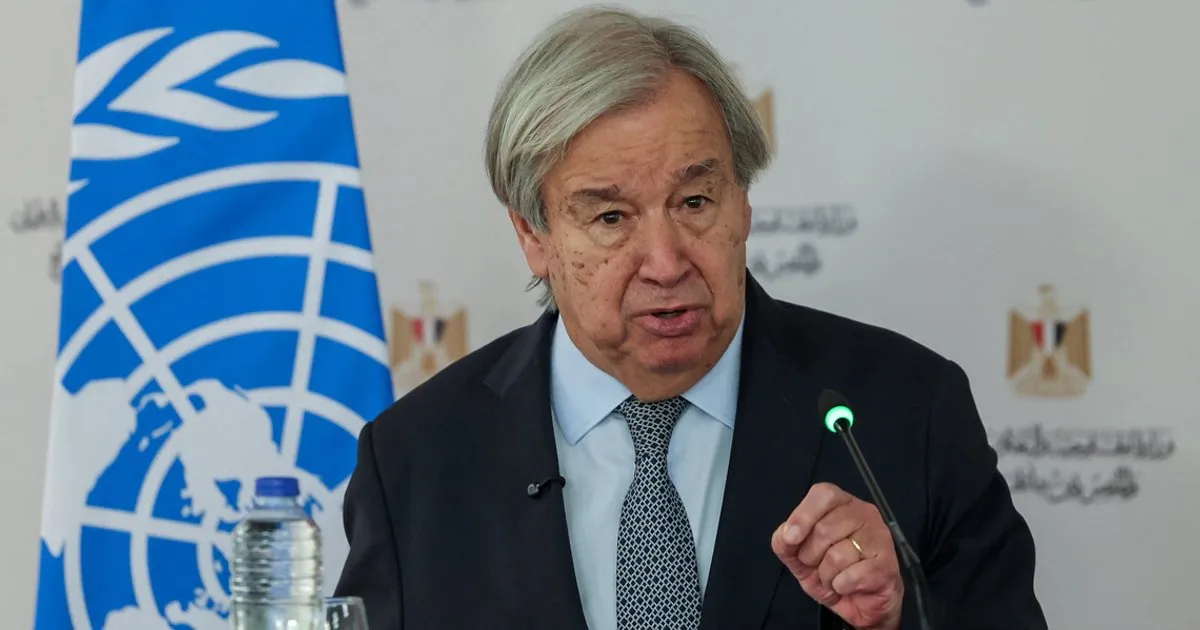 Photo: The Straits Times
Key points
The UN peacekeeping mission in Western Sahara ended on 1 November 2026 after the Security Council failed to renew its mandate.
The 35-year-old UN peacekeeping mission in the disputed Western Sahara region came to an end on Sunday after the Security Council failed to renew its mandate. Morocco, which claims the region as its own, welcomed the decision, while its opponents from the Algeria-backed Polisario Front called it "unacceptable". The mission, known as MINURSO, had been repeatedly extended since it was established in 1991. In the UN Security Council on Friday, Russia vetoed a draft US resolution that would have supported Morocco's demand for sovereignty over Western Sahara and ended the peacekeeping mission next year. Then a rival Russian resolution to extend the mission was voted down, leading to an abrupt end of the force's mandate.
Security Council deadlock
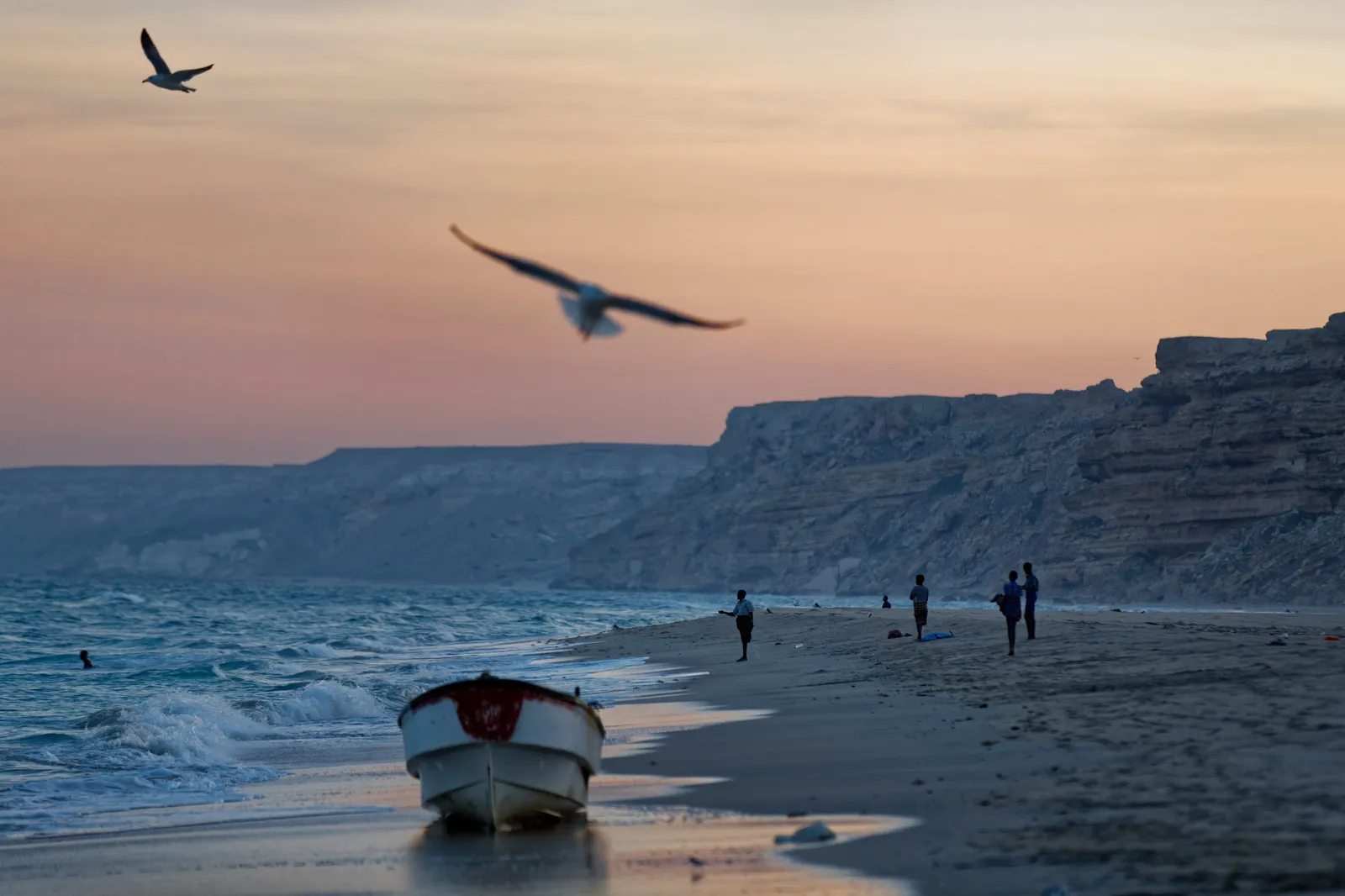
The end of the mission raises concerns about stability in the region. Rich in minerals and fisheries, Western Sahara is a vast desert territory roughly the size of Colorado along Africa's northwestern Atlantic coast. Once ruled by Spain, it is claimed by both Morocco and the pro-independence Polisario Front. "This 1 November 2026 marks the start of the liquidation period," Stéphane Dujarric, spokesperson for the UN secretary general, said in a statement. "A smaller team reporting to the United Nations' Department of Operational Support will oversee the orderly transportation of assets belonging to troop-contributing countries to their respective nations, and the appropriate disposal of equipment belonging to the United Nations."
Morocco's royal palace welcomed the non-renewal of the mission, calling it an "instrument to internationalize the dispute". The Polisario Front, backed by Algeria, called it "an unacceptable decision". The Algerian foreign ministry said it profoundly regrets the non-renewal of the mandate and criticized what it called the "excessive bias" of the US draft resolution.
Morocco and Polisario react
The UN classifies Western Sahara as a "non-self-governing territory", while critics of Morocco's control describe it as Africa's last colony. Morocco administers nearly all of the disputed territory, except for a narrow strip known as the "free zone" that lies east of a Moroccan-built sand wall. After Morocco annexed it in 1975, the dispute escalated into an armed conflict that lasted more than 15 years and claimed more than 16,000 lives on both sides, according to the French Senate.
Bringing Western Sahara under its full sovereignty has been a central objective of Morocco's foreign policy for decades. Rabat, which has secured the backing of a growing number of Western capitals, including Washington, Paris and London, refers to the territory as its southern provinces. The Polisario Front seeks independence for the territory, which it considers the homeland of the Indigenous Sahrawi people, operating from refugee camps in the Algerian city of Tindouf.
A UN-brokered cease-fire took effect in 1991, paving the way for the creation of MINURSO. The settlement plan provided for a referendum on self-determination, with independence among the options, but the vote never materialized. Morocco wanted the voter list to include Sahrawis living in the territory it controls, while the Polisario objected, arguing that their inclusion would tilt the outcome toward integration with Morocco.
What happens next
Twenty MINURSO personnel lost their lives in the mission. The UN force was authorized to have 534 personnel, and its 2026-2027 budget was more than $62 million. The top military contributors to the force were Egypt, Ghana and Pakistan. When its mandate ended, the mission was headquartered in Laayoune, with nine team sites and a liaison office in Tindouf, and had about 200 civilian staff, military observers and staff officers from over 35 countries.
As the mission ends, the UN secretary-general "calls upon all parties to respect and promote the rights of the people of Western Sahara," Dujarric said, and "remains concerned about the security situation throughout the Territory and the risk of escalation of hostilities. He calls on all concerned to exercise maximum restraint." The Polisario withdrew from the ceasefire in 2020 after clashes, and the territory has since remained the scene of tensions and low-intensity hostilities, the UN said last month.
The end of the mission comes a year after the UN Security Council adopted a US-drafted resolution that accepted Rabat's plan to give the territory autonomy under Moroccan sovereignty as the "most feasible" solution to the conflict. Russia, which abstained in last year's vote, this year vetoed another US-backed resolution that would have cemented the UN's preference for the Moroccan plan while scaling back the peacekeeping force.
Morocco's Foreign Minister Nasser Bourita told state media that the mission's reference to a referendum - the "R" in its name - was an "anachronism". "First of all, the R in the mission's name itself no longer makes any sense today. As a diplomat, it bothers me to see a mission whose name includes the word 'referendum,' or the R. Why? The UN says this option is no longer on the table," Bourita said. The UN will keep working towards a peaceful resolution through the Secretary-General's Personal Envoy, Staffan de Mistura.
Frequently asked questions
Why did the UN peacekeeping mission in Western Sahara end?
The mission ended because the Security Council failed to renew its mandate. Russia vetoed a US draft resolution, and a rival Russian resolution to extend the mission was voted down, leaving the mission to expire.
What is MINURSO?
MINURSO is the UN Mission for the Referendum in Western Sahara, established in 1991 to monitor a ceasefire and organise a referendum on self-determination. The referendum never took place, and the mission's mandate ended on 1 November 2026.
How did Morocco and the Polisario Front react to the mission's end?
Morocco's royal palace called the non-renewal an 'instrument to internationalize the dispute'. The Polisario Front called it 'an unacceptable decision', and Algeria expressed 'deep regret'.