UN inquiry finds Russia committed war crimes attacking Ukraine's energy grid
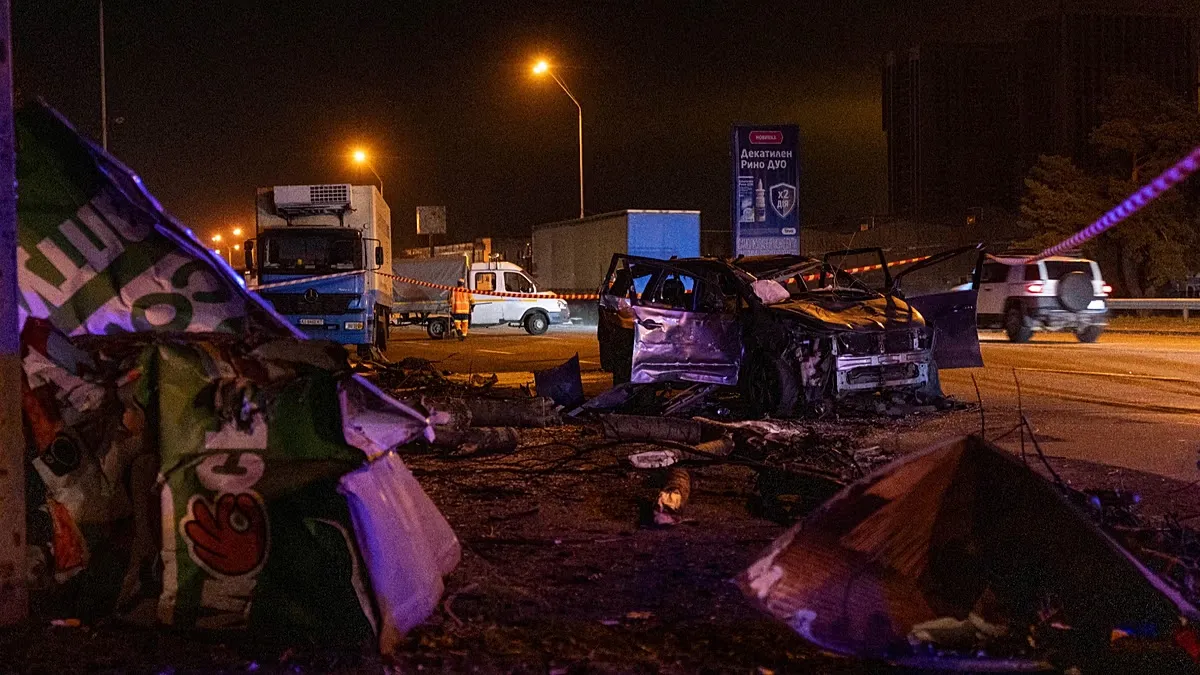
A UN-backed commission of inquiry reported on 27 October that Russia committed war crimes and crimes against humanity by attacking Ukraine's energy infrastructure, leaving millions without electricity and heat.
 Photo: The Guardian
Key points
A UN-backed commission of inquiry found Russia committed war crimes and crimes against humanity by intentionally attacking Ukraine's energy infrastructure and recruiting men from 29 countries through deception or coercion.
A UN-backed commission of inquiry reported that Russia committed war crimes and crimes against humanity in Ukraine by intentionally attacking energy infrastructure, leaving millions of people without electricity and heat in freezing temperatures. The commission also found evidence that Russia recruited men from 29 countries into its armed forces through deception or coercion, in violation of international law.
The findings matter because the inquiry's report to the UN General Assembly's human rights committee was its first focusing specifically on the impact of Russia's wide-ranging attacks on Ukraine's energy infrastructure. The electricity cuts have left millions of civilians suffering in frigid winter darkness, the elderly without elevators to reach shelters during missile and drone attacks, and hospital patients without critical devices.
What the inquiry concluded
The independent commission of inquiry was authorised by the Geneva-based Human Rights Council to investigate human rights violations shortly after Russia's full-scale invasion of Ukraine in February 2022. Commission chair Erik Mose, a former Norwegian judge, said the attacks on Ukraine's energy infrastructure constituted war crimes because they were intentionally directed against civilian objects, as well as crimes against humanity for inflicting great suffering to civilians.
Mose said the intensifying attacks as winter approaches raise serious concerns about the threats posed to civilians. The commission said it based its findings on the accounts of 255 Ukrainians who endured winter conditions in Kyiv and eight other regions in 2025-26, as well as government officials, doctors and civic organisations.
The commission investigated the recruitment of nationals from 48 countries and found evidence that men from 29 countries were recruited into Russia's armed forces as a result of deception or coercion. The men, aged 18 to 60, came mostly from vulnerable and marginalised communities, with a poor economic background and a low education level, the report said.
How the commission gathered evidence
Recruitment agents presented themselves as legitimate and government-endorsed businesses, arranging visas and sometimes travelling with the men. Soon after arrival, the recruits were forced to sign documents in Russian with the Defence Ministry that they did not understand. The recruits were shocked to discover they would be serving the Russian armed forces, the commission said.
Russia's UN Mission said Russia does not recognise the mandate of the commission and claimed its findings were based on falsified data. Mose said the Russians have not responded to requests for comment on any of the commission's reports, including this one. Throughout the war, Russia has maintained that its forces only strike military or military-related targets in Ukraine.
Russian authorities have openly recruited foreigners into the army, offering perks such as accelerated Russian citizenship or making enlistment mandatory for certain foreigners seeking permanent residency. Official rhetoric usually stresses the voluntary nature of such enlistments, but the commission found the recruitment was carried out through deception and coercion in coordination with agents in other countries.
Russia rejects the findings
The commission named the 29 countries: Azerbaijan, Bangladesh, Belarus, Bolivia, Brazil, Botswana, Cameroon, Colombia, Dominican Republic, El Salvador, Ghana, Honduras, India, Jordan, Kenya, Morocco, Nigeria, Peru, Philippines, South Africa, Somalia, Sri Lanka, Tajikistan, Tunisia, Turkey, Uganda, Uzbekistan, Yemen and Zimbabwe. The report lands as Russia launched 16 ballistic missiles and more than 280 drones overnight, with at least 15 people injured in Kyiv and further attacks across ten Ukrainian regions. Ukrainian president Volodymyr Zelenskyy called it a serious escalation against logistics, saying almost everywhere Russia's targets were the energy sector, logistics and ordinary urban infrastructure.
A localised ceasefire around the Russian-occupied town of Oleshky in the Kherson region began to allow a humanitarian operation, with both sides saying it was holding. US-mediated talks between Russia and Ukraine are set to resume in November, having been effectively frozen since February, according to a report published on 27 October.
Frequently asked questions
What did the UN inquiry find about Russia's attacks on Ukraine?
The commission concluded that attacks on Ukraine's energy infrastructure constituted war crimes because they were intentionally directed against civilian objects, as well as crimes against humanity for inflicting great suffering on civilians, commission chair Erik Mose said.
How many countries did Russia recruit fighters from?
The commission investigated recruitment of nationals from 48 countries and found evidence that men from 29 countries were recruited into Russia's armed forces through deception or coercion, aged 18 to 60.
How did Russia respond to the UN report?
Russia's UN Mission said Russia does not recognise the mandate of the commission and claimed its findings were based on falsified data. Mose said Russians have not responded to requests for comment on any of the commission's reports.