US forces disable cargo ship in Gulf of Oman after warnings
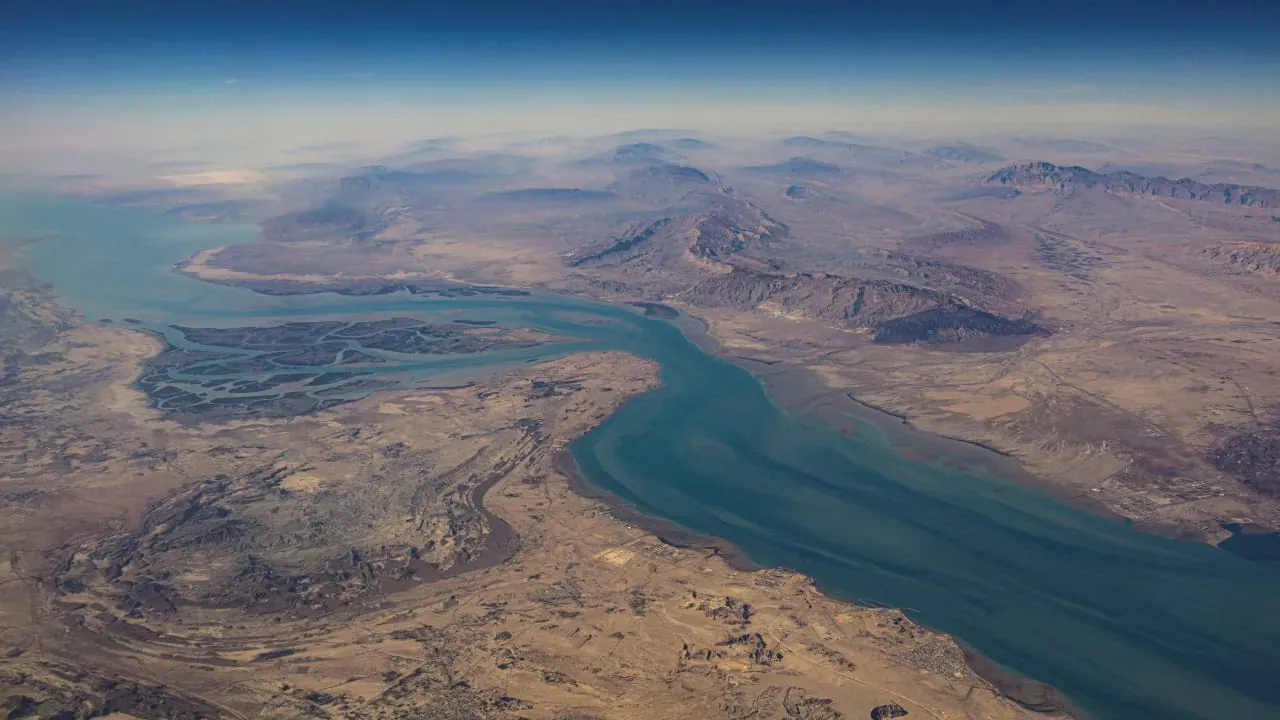
US Central Command disabled the St. Kitts-flagged M/V Huda in the Gulf of Oman on 8 November after its crew ignored repeated warnings and tried to breach the naval blockade.
 Photo: The National
Key points
US forces disabled the cargo ship M/V Huda in the Gulf of Oman after its crew ignored warnings and attempted to violate the naval blockade against Iran.
US Central Command disabled the St. Kitts-flagged cargo ship M/V Huda in the Gulf of Oman on 8 November after its civilian crew ignored repeated warnings and attempted to violate the naval blockade against Iran, the command said on social media platform X. A US military aircraft fired precision munitions at the stern of the ship, disabling it after CENTCOM forces directed the crew to abandon targeted spaces. The cargo vessel tried to depart regional waters after visiting an Iranian port, CENTCOM added.
The strike is part of a broader US naval blockade against Iran that has been in place since July. CENTCOM said that since July, US forces have redirected 147 commercial vessels and disabled five merchant ships that refused to comply with the blockade. The command also said it had previously destroyed 10 Iranian commercial oil tankers, alleging they were part of a multibillion-dollar shadow network operated by Iran's Islamic Revolution Guard Corps.
Blockade enforcement
The Gulf of Oman is a key shipping route for regional and international trade, making rapid emergency responses essential for vessel and crew safety. The UAE's National Guard Coast Guard division rescued 22 Arab nationals from a cargo ship fire in the Gulf of Oman, state news agency Wam reported. All 22 were safely evacuated, and the operation reflects the force's continuing efforts to protect lives at sea and uphold maritime security in the region, the National Guard was quoted as saying.
The UAE rescue operation on 8 November came as tensions in the region escalated. The National Guard's Coast Guard division collaborates with federal and emirate-level agencies to ensure comprehensive coverage of the UAE's coastline and the broader Arabian Gulf, where maritime incidents are common due to heavy vessel traffic. In October, the National Guard rescued 22 Asian nationals from an oil tanker fire in the Arabian Gulf, all of whom received first aid and were reported to be in stable condition.
Iran's Islamic Revolutionary Guard Corps navy said early Sunday that two 'violating' oil tankers attempting to pass through an 'unauthorized' route in the Strait of Hormuz caught fire after hitting naval mines. In a statement on the IRGC's official news outlet Sepah News, the navy said one tanker hit mines east of the strait and the other while crossing the waterway. Both vessels had turned off navigation and GPS systems and were burning following the explosions, it added.
Iranian claims
The IRGC warned that any vessel cooperating with the 'aggressive' US Army and entering the 'unauthorized' region in the strait in defiance of Iranian regulations would 'definitely' hit naval mines, Xinhua news agency reported. Iranian state media also reported explosions in several coastal locations, but reports did not establish whether these events were connected to the US strike. The circumstances of the IRGC's claims were unclear, according to a summary of reports.
Iran tightened its grip on the strait on 28 February, barring safe passage of vessels belonging to or affiliated with Israel and the United States following their joint strikes on Iranian territory. The United States has also imposed a naval blockade against the country. The US strike on the M/V Huda is the latest in a series of incidents in the region, with CENTCOM reporting that it has disabled five merchant ships that refused to comply with the blockade.
The US naval blockade and Iran's restrictions on the strait have raised concerns about maritime security in the region, which is vital for global oil shipments. The Gulf of Oman and the Strait of Hormuz are critical chokepoints for oil tankers, and any disruption could affect global energy supplies. The UAE's rescue operation highlights the ongoing risks to vessels and crews in these waters, with the National Guard responding to multiple incidents in recent months.
The US strike on the M/V Huda and the IRGC's claims of mine strikes on tankers come amid heightened tensions between the US and Iran. The US has accused Iran of operating a shadow network of oil tankers to evade sanctions, while Iran has barred vessels affiliated with Israel and the US from safe passage. The situation remains fluid, with no clear indication of what might happen next in the standoff.
CENTCOM's statement on the strike did not specify the exact date of the incident, but the command's social media post was reported on 8 November. The IRGC's statement on the mine strikes was also reported on 8 November, with the navy saying the tankers caught fire after hitting mines. The reports did not establish whether the mine strikes and the US strike were connected, leaving the sequence of events unclear.
Frequently asked questions
What happened to the cargo ship M/V Huda?
US Central Command disabled the St. Kitts-flagged cargo ship in the Gulf of Oman on 8 November after its crew ignored repeated warnings and tried to breach the naval blockade against Iran. A US aircraft fired precision munitions at the stern, disabling the ship.
How many vessels has the US redirected or disabled since July?
Since July, US forces have redirected 147 commercial vessels and disabled five merchant ships that refused to comply with the blockade, according to CENTCOM. They have also destroyed 10 Iranian oil tankers linked to an IRGC shadow network.
What did the IRGC say about tankers in the Strait of Hormuz?
The IRGC navy said two 'violating' oil tankers caught fire after hitting naval mines in the Strait of Hormuz on 8 November. The tankers had turned off navigation and GPS systems, and the IRGC warned that vessels cooperating with the US would hit mines.