US forces ready to strike Iran within 96 hours of Trump order
US forces in the Middle East are prepared to launch major military operations against Iran within 96 hours of an order from President Donald Trump, two US officials said on Sunday, as Israel pushes for joint strikes.
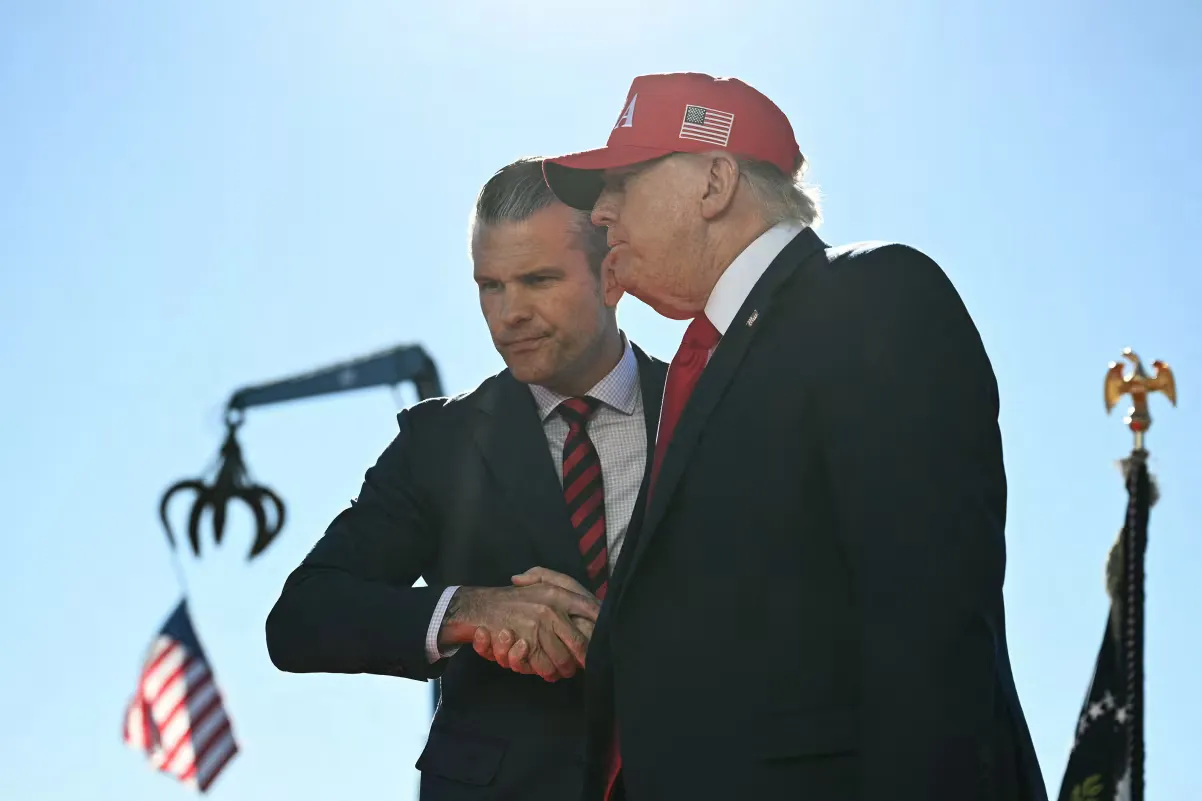 Photo: Egypt Independent
Key points
US forces in the Middle East are prepared to launch major military operations against Iran within 96 hours of receiving an order from President Donald Trump, two US officials said.
US forces in the Middle East are prepared to launch major military operations against Iran within 96 hours of receiving an order from President Donald Trump, two US officials said. Sufficient forces are now deployed in the region to carry out the potential attacks, the officials said. The report came as the US maintains a blockade on Iranian ports.
The plans go beyond simply striking radars, launchers and other Iranian assets that can be quickly rebuilt — an approach officials described as mowing the lawn. One official called it a big effort. US Central Command and the Pentagon have developed a wide-ranging target list that includes Iranian energy infrastructure, military sites and nuclear facilities.
What the plans would cover
Some current and former US officials familiar with internal military planning discussions say the question is when, not if, Trump will issue a go-order, and believe it could come any time before the end of the year, most likely after the US midterm elections. Officials say Trump has not made up his mind but appears to be leaning toward ordering major action, though he has in the past leaned toward actions only to back off at the last moment.
Iranian forces are now more familiar with US tactics, which would make it harder for the American military to destroy all intended targets. The White House declined to comment. A senior Pentagon official said the department is a planning organisation whose job is to develop and execute military options ordered by the president.
Israeli Prime Minister Benjamin Netanyahu has been pushing to carry out new attacks against Iran, but US officials have asked him to delay until the Trump administration is ready to conduct joint operations, according to two US officials and an Israeli security source. The Israeli security source said Netanyahu tried to convince Trump for a joint attack before the elections, and Trump did not give a green light.
Israel pushes for joint strikes
Two Israeli sources familiar with the plans said that the Israel Defense Forces and the US military have drawn up plans to renew joint strikes in the coming weeks, almost certainly after the midterm elections. The plans were discussed during Defense Secretary Pete Hegseth's unannounced visit to Israel. Targets would include petrochemical facilities and, one source said, Iranian nuclear facilities such as those at Pickaxe Mountain, with no plans to strike civilian infrastructure like power plants.
Recent US intelligence assessments indicate Iran and Houthi rebels are taking the possibility of renewed attacks very seriously. If the US and Israel launch new operations, Tehran and the Houthis would likely retaliate immediately by targeting American personnel and facilities around the region. US intelligence officials believe Iran and the Houthis are unlikely to carry out preemptive attacks but would not hesitate to respond if Iran is targeted first.
Retaliation threat shapes planning
An unclassified October 23 memo from Director of National Intelligence Jay Clayton to Secretary of State Marco Rubio says US intelligence found that Iran has substantially increased efforts to target US personnel, and that plotting efforts have reached advanced stages in the Middle East and certain other countries. The US Embassy in Riyadh is the only American diplomatic facility under ordered departure, with others expected to receive similar directives.
Nonessential US military personnel who were expected to deploy to the Middle East as part of the next troop rotation have been told they are no longer being sent, according to a US official. Adm. Brad Cooper, the CENTCOM commander, visited the Strait of Hormuz on Sunday as the US military maintains its blockade on Iranian ports. Cooper said the visit underscored commitment to freedom of navigation through the strait.
Oil prices remain high partly due to the threat of possible Iranian attacks. One US official acknowledged the status quo around the strait is untenable for the long term and, barring a last-minute diplomatic breakthrough, is one reason Trump may turn to military action. The White House said Thursday the United States will not attack Iran at any time prior to the midterm elections.
The Houthis have continued attacking Saudi infrastructure. Houthi spokesperson Yahya Saree said the group launched a ballistic missile attack on King Khalid International Airport in Riyadh, and Saudi military spokesperson Col. Turki Al-Maliki said Saudi forces intercepted it and launched airstrikes in Houthi-controlled territory targeting missile storage and launch sites.
What happens next
What follows next depends on Trump's decision, which officials expect after the US midterm elections. One Israeli source said regime change in Iran, not a negotiated deal, is the Israeli government's top goal, adding that the only question is the timing. One source briefed on the matter said the plans are ready, waiting for Trump's approval, could be after the midterms.
Frequently asked questions
How quickly could the US strike Iran?
Two US officials said US forces in the Middle East are prepared to launch major military operations against Iran within 96 hours of receiving an order from President Donald Trump, with sufficient forces already deployed in the region.
What targets are included in the US plans?
US Central Command and the Pentagon have developed a wide-ranging target list including Iranian energy infrastructure, military sites and nuclear facilities, going beyond strikes on radars and launchers that can be quickly rebuilt.
Would Iran and the Houthis retaliate?
US intelligence assessments indicate that if the US or Israel strikes Iran, Tehran and the Houthis would likely retaliate immediately against American personnel and facilities in the region, though they are unlikely to strike preemptively.