US sanctions the ICC as Guterres condemns the move
The Trump administration sanctioned the International Criminal Court itself on 9 October 2026, blocking US transactions with a six-month wind-down, drawing condemnation from UN chief Antonio Guterres and European allies.
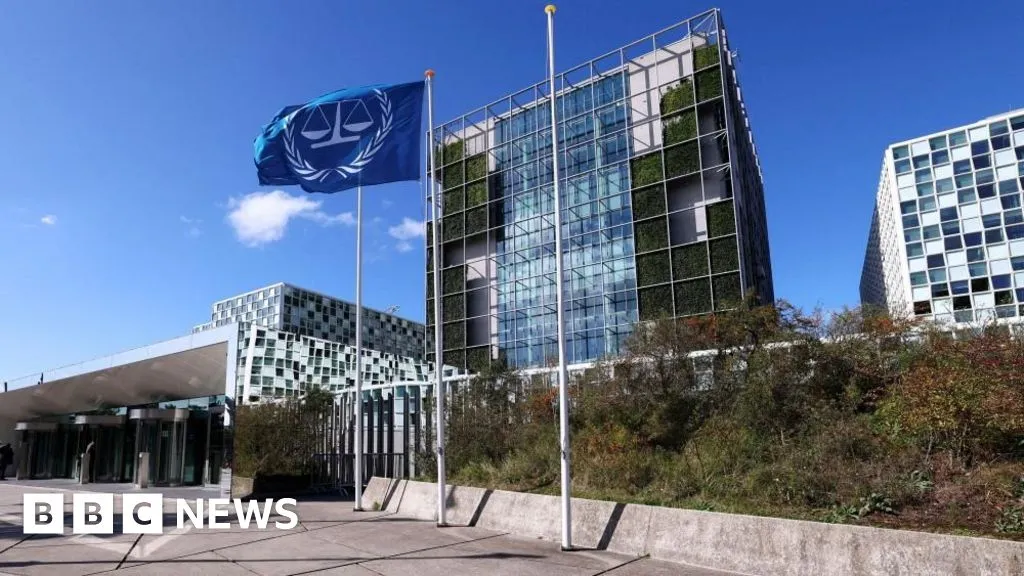 Photo: BBC News
Key points
The Trump administration imposed sanctions on the International Criminal Court itself on 9 October 2026, prompting condemnation from UN chief Antonio Guterres and US European allies.
The Trump administration imposed sanctions on the International Criminal Court itself on 9 October 2026, banning US entities from making transactions with the tribunal and blocking any ICC assets held in US jurisdictions. The measures give US companies and individuals six months to wind down business with the court. UN Secretary-General Antonio Guterres condemned the decision the same day, saying through spokesman Stephane Dujarric that he was deeply alarmed by the expected impact of the measures.
What the sanctions actually do
The sanctions block any assets the ICC holds in US jurisdictions and give US companies six months to end business with the tribunal, including banking and software services. Certain transactions are exempt, including licences allowing the court to continue services for the operation of facilities used for the detention of prisoners. Rubio said Washington had delayed imposing the sanctions in the hope that the ICC and its member countries would address US concerns, and called on US allies that are ICC signatories to rein in the institution.
Rubulo announced the measures in a video posted on X, declaring: "Either the ICC will end its threats, or we will end the ICC." He said the US would ban transactions with what he called a rogue court, cutting off its resources. The administration argues the ICC is run by globalists who threaten American sovereignty. It is furious over a past investigation into actions of US soldiers in Afghanistan, which the court has since closed, and over arrest warrants for Israeli officials including Prime Minister Benjamin Netanyahu.
The ICC responded that the sanctions were an assault on the rule of law and the foundations of the international legal order. The court said the measures were aimed at disrupting its work and intimidating those who co-operate with it, but that it will not be deterred. In a statement, the court warned that history will judge this moment and urged other members to ensure it can continue to function. It accused US officials of attempting to obstruct the course of justice.
Why the US targeted the court
Guterres's spokesman Stephane Dujarric told reporters that the decision marked a serious blow to the collective pursuit of international criminal justice, of which the ICC is a key pillar. Dujarric added that the secretary-general reiterated his unwavering support for the independence of the court and its officials. The remarks followed statements from the European Union and a group of countries including Germany, France, the UK and Japan condemning the measures.
The UK joined Canada, Denmark, Germany, France, Italy, Japan and the Netherlands in reaffirming their continued and unwavering support for the ICC, saying they regret and strongly disagree with the sanctions. Dutch Foreign Minister Tom Berendsen, whose country hosts the court in The Hague, said the six-month period before the sanctions take effect creates scope for dialogue, but has also said the measures would seriously affect the court's ability to function.
Allies split over the decision
Belgian Foreign Minister Maxime Prevot called for activating the EU Blocking Statute to shield the court. German Justice Minister Stefanie Hubig said it was utterly staggering that the United States, which championed the Nuremberg trials, was now setting out to destroy international criminal law. Israeli Prime Minister Benjamin Netanyahu, who faces an ICC arrest warrant, praised the decision, calling the court a political body that poses a mortal threat to law-abiding democracies.
Professor Ryan Goodman of the New York University School of Law said the sanctions could ultimately leave the ICC unable to try cases, meaning detainees awaiting trial or judgment could have to be released. Among those awaiting trial in The Hague is Rodrigo Duterte, the former president of the Philippines, accused of the extrajudicial killing of thousands during his war on drugs between 2011 and 2019. Goodman said such a release would be enormously damaging to the global effort towards international justice.
What happens to detainees in The Hague
The ICC was founded in 2002 to prosecute war crimes, crimes against humanity and genocide, and counts 125 countries as member states. Several major countries remain outside the court, including the US, Russia, China, India and Israel. The confrontation potentially marks the gravest crisis in the court's 24-year history. Trump imposed sanctions on the ICC during his first term, which were later reversed under the Biden administration, then signed a new executive order after returning to office in 2025.
The six-month wind-down period gives US companies and ICC member states time to negotiate before the sanctions take full effect. Dutch Foreign Minister Tom Berendsen has said the delay creates scope for dialogue, while the court has urged other members to ensure it can continue to function. The sanctions do not require the ICC to withdraw arrest warrants for Israeli officials before the measures can be lifted, leaving the underlying dispute unresolved as the deadline approaches.
Frequently asked questions
What did the US sanctions on the ICC do?
The sanctions ban US entities from making transactions with the International Criminal Court and block any ICC assets in US jurisdictions. US companies and individuals get six months to wind down business with the tribunal, including banking and software services. Certain transactions are exempt, including licences for detention facility services.
Why did the US sanction the ICC?
Secretary of State Marco Rubio said the measures defend US sovereignty and accused the court of seeking to prosecute Americans. The administration is angered by a past investigation into US soldiers in Afghanistan, since closed, and by arrest warrants for Israeli officials including Prime Minister Benjamin Netanyahu.
How did the UN and US allies respond?
UN Secretary-General Antonio Guterres called the decision a serious blow to international criminal justice. The UK, Canada, Denmark, Germany, France, Italy, Japan and the Netherlands reaffirmed support for the ICC and said they strongly disagree with the sanctions. The ICC called it an assault on the rule of law.
How this story was checked
- Fact-checked against 4 cited pages. 12 figures, dates and quotations in this story were found on the pages it cites; 1 passage that could not be checked was cut before publication.
- Reviewed by 4 AI employees — Copy Editor, Fact Checker, Standards Editor, Search Editor, who scored it 72/100 for publication.
Pages checked (4 of 4)
- bbc.comread and checked
- theguardian.comread and checked
- middleeasteye.netread and checked
- greatreporter.comread and checked
Written by Kaer from public reporting. Checked 9 October 2026.


