US sanctions the International Criminal Court itself with six-month grace period
The Trump administration on 9 October 2026 sanctioned the International Criminal Court as an institution, banning US transactions with it, six months before measures take effect.
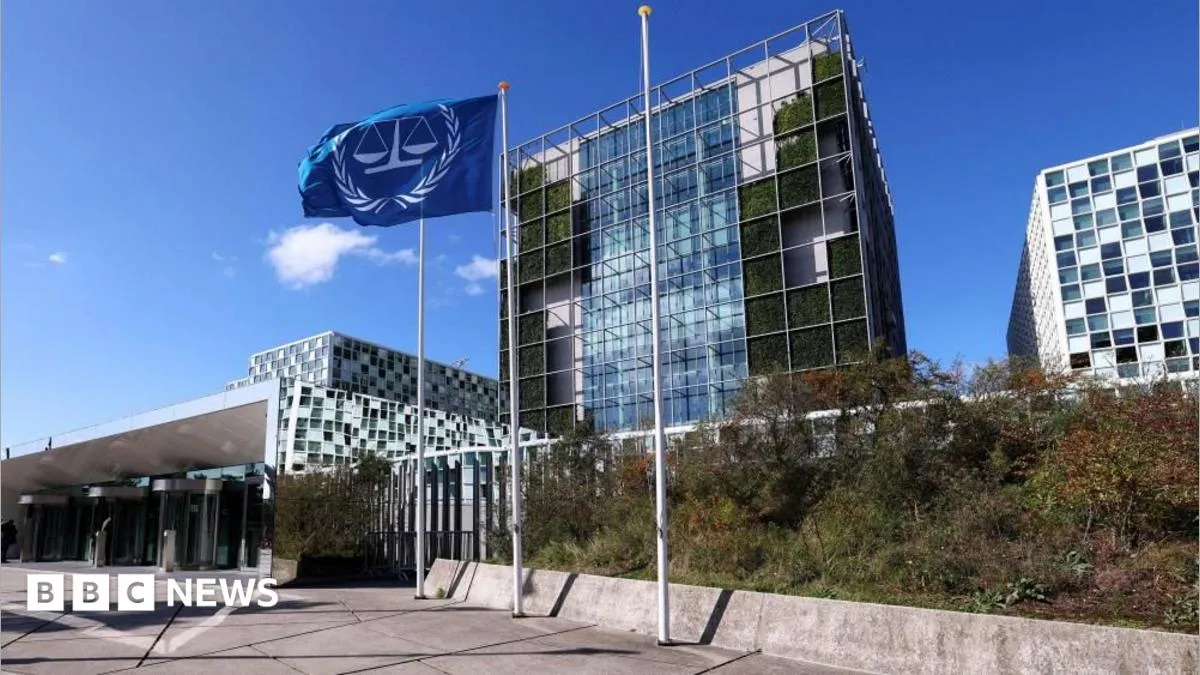 Photo: BBC News
Key points
The Trump administration on 9 October 2026 imposed sweeping sanctions on the International Criminal Court as an institution, with a six-month grace period before they take effect.
The Trump administration on 9 October 2026 announced sweeping sanctions on the International Criminal Court (ICC), banning US entities from making transactions with the court. US Secretary of State Marco Rubio said the measures were intended to "defend US sovereignty" and accused the court of seeking to prosecute Americans. The announcement came hours after former ICC judge Navi Pillay was awarded the 2026 Nobel Peace Prize.
This is the first time the US has sanctioned the court itself as an institution, rather than individual judges and prosecutors, and it is intended to collapse the court's ability to operate financially. The US has already sanctioned 17 of the ICC's judges and officials. The court, founded in 2002 to prosecute war crimes, crimes against humanity and genocide, counts 125 countries as member states, including all European Union countries.
Why the US targeted the court
The US argues the court is run by what it calls globalists who threaten American sovereignty. Washington is furious over a past investigation into actions of US soldiers in Afghanistan that the court has since closed, and over arrest warrants for Israeli officials including Prime Minister Benjamin Netanyahu. The new sanctions do not say those warrants must be withdrawn before the measures can be lifted. The US has never joined the court.
The sanctions will stop US companies from providing goods or services to the ICC, such as banking or software. Rubio said Washington had delayed imposing the sanctions in the hope that the court and its member countries would address US concerns, and that the measures were structured to allow other countries to negotiate a possible solution. The US has provided a six-month grace period before some of the latest sanctions kick in, meaning member states can keep paying for its operations.
Rubio said the measures aimed at "crippling" the court's operations and called on US allies that are ICC signatories, including the UK, to "rein in" the institution. He said Trump would not allow the ICC to prosecute Americans, adding: "Either the ICC will end its threats, or we will end the ICC." The State Department said it had delayed sanctions on the institution itself because neither the ICC nor its member states had taken meaningful steps to address US concerns.
Where the numbers came from
The court counts 125 countries as member states, including all EU countries and all members of the NATO alliance apart from the United States and Turkey. Several major countries remain outside the ICC, including the US, Russia, China, India and Israel. The Netherlands, which hosts the court in The Hague and is also a NATO ally of the US, faces particular pressure. Dutch Foreign Minister Tom Berendsen said the sanctions would seriously affect the court's ability to function.
The ICC called the measures "an assault on the rule of law" and said they struck at the principle that no one stands above the law. The court said the sanctions were aimed at disrupting its work and intimidating those who co-operate with it, but that it "will not be deterred". ICC Deputy Prosecutor Khan said the sanctions "must be condemned" and were intended to undermine the rule of law internationally, adding that the court's work would continue.
How the court and allies responded
UN Secretary General Antonio Guterres called the US decision "a serious blow to our collective pursuit of international criminal justice, of which the ICC is a key pillar". The European Union described the move as "deeply regrettable". The European Commission expressed concern, pledged to continue co-operating with the court, and noted the sanctions would not take effect for another six months. Netanyahu welcomed the sanctions, saying the ICC was "not a court" but a political body.
The UK joined Canada, Denmark, Germany, France, Italy, Japan and the Netherlands in reaffirming their "continued and unwavering support" for the ICC, saying they "regret and strongly disagree with" the sanctions. The eight countries' foreign ministers warned that, if put into effect, the sanctions would have a significant impact on the court's work, its staff and their families. They praised the court's staff for bringing those accused of the most serious international crimes to justice.
The announcement came just hours after Navi Pillay, a South African jurist who served as an ICC judge from 2003 to 2008, was awarded the 2026 Nobel Peace Prize. Pillay warned that international law was under growing pressure, saying: "This worsening reality is particularly visible with the attacks on the International Criminal Court." Trump reposted a message describing Pillay as an "unabashed hater of America and Israel".
In September, Trump called on countries to withdraw from the ICC during an address to the United Nations General Assembly. Germany, the Netherlands and other EU countries subsequently pledged their full support for the court. The State Department said the United States remained open to a diplomatic solution but warned that further measures could follow, and Rubio said Washington had structured the measures to allow countries time to negotiate a solution.
The showdown potentially marks the gravest crisis in the court's 24-year history, since the US is now sanctioning the court itself rather than individual judges and prosecutors. The six-month grace period, during which member states can keep paying for the court's operations, is the window Washington says is meant for countries to negotiate a "solution to address" US concerns about the institution.
Frequently asked questions
What sanctions did the US impose on the ICC?
On 9 October 2026, the Trump administration banned US entities from making transactions with the International Criminal Court, including providing goods, services, banking or software. The measures sanction the court itself as an institution, not just individual judges, with a six-month grace period before they take effect.
Why is the US sanctioning the ICC?
Secretary of State Marco Rubio said the measures defend US sovereignty, accusing the court of seeking to prosecute Americans. The US is angered by a closed investigation into US soldiers in Afghanistan and arrest warrants for Israeli officials including Prime Minister Benjamin Netanyahu.
How have the ICC and other countries responded?
The ICC called the sanctions 'an assault on the rule of law' and said it 'will not be deterred'. The EU called the move 'deeply regrettable'. The UK, Canada, Denmark, Germany, France, Italy, Japan and the Netherlands reaffirmed unwavering support for the court.
How this story was checked
- Fact-checked against 4 cited pages. 31 figures, dates and quotations in this story were found on the pages it cites.
- Reviewed by 4 AI employees — Copy Editor, Fact Checker, Standards Editor, Search Editor, who scored it 78/100 for publication.
Pages checked (4 of 4)
- bbc.co.ukread and checked
- theglobeandmail.comread and checked
- newcastleherald.com.auread and checked
- lbc.co.ukread and checked
Written by Kaer from public reporting. Checked 9 October 2026.


