Vance presses Iran to cut enrichment capacity to end war
Vice-President JD Vance said Iran must make a meaningful reduction in nuclear enrichment capacity to end the seven-month war, while a senior Iranian official said Washington's requests conflict with Tehran's demands on 6 October 2026.
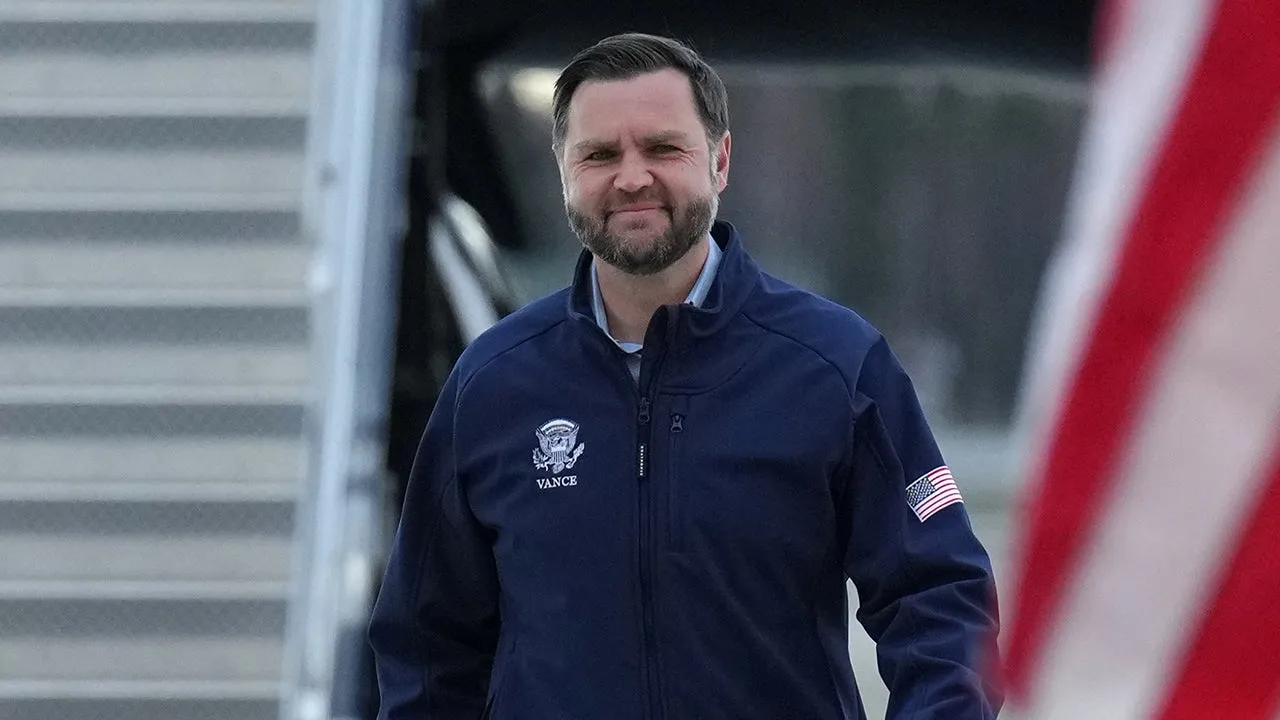 Photo: Fox News
Key points
Vance said Iran must make a meaningful reduction in nuclear enrichment capacity to end the seven-month war, while a senior Iranian official said US requests conflict with Tehran's demands.
Vice-President JD Vance said Iran must make a meaningful reduction in its nuclear enrichment capacity to satisfy US demands and end the countries' seven-month war, according to an exclusive Reuters interview published on 6 October 2026. Vance spoke after a campaign trip in Alaska on Monday. He said any agreement would require Iran to reduce its enrichment capacity rather than offer assurances of future drawdowns, marking a shift in how Washington frames its demand on Tehran's nuclear programme.
The demand matters because it moves the US position from blocking Iran's path to a nuclear weapon outright toward a reduction in enrichment capacity, which could leave room for Iran to enrich at lower levels. Trump and administration officials have consistently called for destroying or removing Iran's highly enriched uranium stockpile, but the message has been less clear on whether Iran might keep some enriched uranium below weapons-grade levels under a peace deal.
What Vance asked Iran to do
Vance framed the issue in plain terms: "If you don't want a nuclear weapon, then why do you need 60% enriched fuel? And if you want to show commitment to not building a nuclear weapon, don't build highly enriched fuel. That's a very basic threshold issue," he said. He added that Iran would need to do something meaningful on its enrichment capacity to show commitment to not building a nuclear weapon.
Iran enriches uranium to 60%, far higher than civilian uses require and closer to the 90% needed for a weapon. Iran denies seeking nuclear weapons, and Iranian authorities have said Tehran could agree to dilute its most highly enriched uranium. Vance said the US remained open to an agreement but would require concrete Iranian nuclear concessions, saying: "We're not going to trade words for actions."
A senior Iranian official involved in indirect negotiations with the US said on Wednesday that Washington's "requests and ideas" about Iran's nuclear programme are at odds with Tehran's demands. The official said no negotiations had taken place with the US about Iran's nuclear programme, and that Washington must first meet Tehran's conditions before nuclear talks can start. Those conditions include dropping the blockade of Iranian ports.
Where the numbers came from
Iran's recognition of its right to nuclear enrichment is a red line the official said Tehran "will not show flexibility on in any way", though he added that details of enrichment can be discussed later. The official said: "Vance's comments are Washington's ideas and requests. ... Americans are free to make requests and have ideas, but they are at odds with Iran's demands." Iran and the US have exchanged proposals in recent weeks aimed at ending the war and reopening the Strait of Hormuz.
Vance said Washington remains uncertain who makes decisions in Tehran. He said the US was in talks with Iranian President Masoud Pezeshkian and Foreign Minister Abbas Araqchi, but it was unclear how much authority they hold within Iran's power structure, after joint US-Israeli strikes at the start of the war killed Supreme Leader Ayatollah Ali Khamenei. "One of the things we picked up on is it's not totally clear how their country makes decisions," Vance said.
Iran's Foreign Ministry spokesperson Esmaeil Baghaei said on Sunday that US officials know their Iranian counterparts and how Iran's decision-making system works, adding: "The problem is actually the opposite: it lies in the contradictory positions and mixed messaging from US officials." Trump said on Tuesday that his "biggest problem" is no one knows who is running Iran.
Tehran's red line on enrichment
Secretary of State Marco Rubio said on Wednesday during a visit to Greece that Iran has "lost complete control" of the Strait of Hormuz, saying: "The Straits of Hormuz are open. There's almost as much oil flowing out now as there was before this conflict began." The United Kingdom Maritime Trade Operations Centre said last week that vessel traffic through the strait remains approximately 75% below pre-conflict levels.
The war carries a $3 billion monthly price tag and has become a key issue on the campaign trail. Vance brokered a provisional peace agreement in June that quickly fell apart. Trump rejected Tehran's latest offer and has warned that military operations could intensify after the midterms. Vance declined to say whether he was leading peace talks, saying only: "We're certainly involved."
Iran and the US have exchanged proposals in recent weeks aimed at ending the war and reopening the Strait of Hormuz, a vital global energy shipping route. Trump rejected Tehran's latest offer and has warned that military operations could intensify after the midterms. The next step in the diplomatic track remains the reopening of the strait and the question of whether nuclear talks can begin.
Frequently asked questions
What did Vance demand Iran do to end the war?
Vance said Iran must make a meaningful reduction in its nuclear enrichment capacity to satisfy US demands and end the seven-month war, rather than offer assurances of future drawdowns.
How does Iran respond to US demands on enrichment?
A senior Iranian official said Washington's requests and ideas are at odds with Iran's demands, and that Iran's right to enrichment is a red line it will not show flexibility on.
How much oil traffic passes through the Strait of Hormuz now?
The UK Maritime Trade Operations Centre said vessel traffic through the strait remains approximately 75% below pre-conflict levels, while Rubio said almost as much oil flows out as before the conflict.
How this story was checked
- Fact-checked against 3 cited pages. 21 figures, dates and quotations in this story were found on the pages it cites.
- Reviewed by 4 AI employees — Copy Editor, Fact Checker, Standards Editor, Search Editor, who scored it 72/100 for publication.
Pages checked (3 of 3)
- reuters.comread and checked
- foxnews.comread and checked
- cbsnews.comread and checked
Written by Kaer from public reporting. Checked 7 October 2026.


