Warhound raises $200 million to engineer war dogs for US military
Warhound, founded by Ben Lamm and Palmer Luckey, raised $200 million at a $1.2 billion valuation to gene-edit military dogs, with first puppies expected in early 2027.
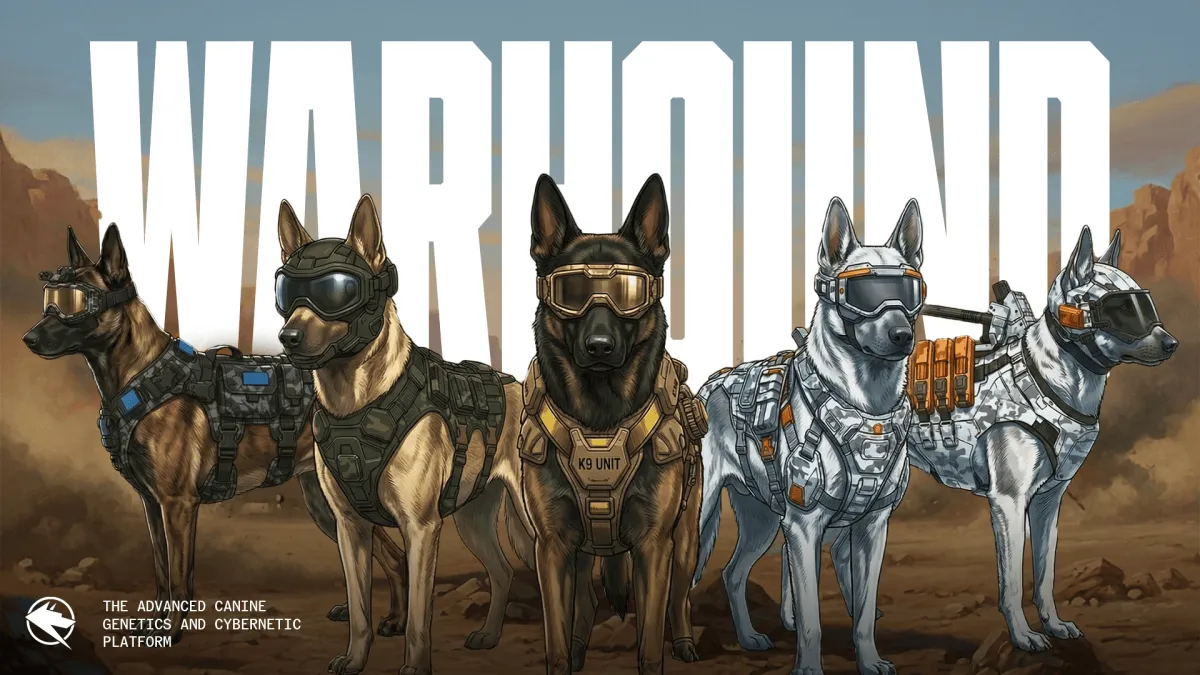 Photo: TechCrunch
Key points
Warhound raised $200 million to genetically engineer dogs for the US military, with first puppies expected in early 2027.
Warhound, a startup founded by Colossal Biosciences cofounder Ben Lamm and Anduril's Palmer Luckey, raised $200 million to genetically engineer dogs for the US military, law enforcement, and first responders. The round values the company at $1.2 billion and includes investors Sequoia, 8VC, and In-Q-Tel, a venture firm backed by the CIA and other US intelligence agencies.
The US military's supply of working dogs is shrinking and depends heavily on foreign breeders. Warhound said in its launch announcement that more than 80% of the US military's working dogs come from Europe, and less than half of them are fit for service. The company aims to rebuild a domestic supply of dogs bred and edited for demanding missions rather than relying on European kennels.
Why the supply of dogs is dwindling
Lamm said he met Luckey about a year ago at a conference, where Luckey said more should be done for the military's working dogs. Lamm then researched how working dogs are bred and said he learned many fail training because of inherited predispositions: poor eyesight, cancer, hip dysplasia, or muscle atrophy. The two kept in touch and have worked on the project for over a year, Lamm said.
Warhound has already collected blood samples from top-performing military, police, and first responder dogs in the United States, Lamm said. The breeds are mostly Belgian Malinois, some labradors, and some shepherds. His team took cell lines from these dogs and stored them in a biobank. The startup is now editing genes in those cell samples, removing ones that hurt performance and adding ones that improve it, before cloning the edited cells into new dogs.
The first round of gene editing targets common health conditions in these breeds, such as hip dysplasia and certain cancers, Lamm said. Further down the line, Lamm envisions incorporating olfactory receptor genes from wolves to enhance the dogs' sense of smell, and possibly engineering for speed and agility. Viagen, another Colossal-owned company, will clone the dogs. Lamm said the first batch is about to be cloned and incubated.
How the gene editing works
Warhound expects the first round of puppies to be born in early 2027, Lamm said. The dogs will be trained to detect bombs, aid in search-and-rescue operations, and perform other specialized tasks that are dangerous for humans or difficult for machines. Warhound does not yet know how much it will charge, but it expects to sell to first responders, the Department of Defense, military service groups, and police forces.
Anduril will provide software and hardware, including protection vests and goggles, to help the dogs and their handlers with situational awareness and coordination. Lamm described bulletproof vests with data sensors that send information back to handlers. He said the gear sits "on top of the dog, not in the dog." The company has no plans for cyborg dogs; Lamm said the current plan is to supply tools like advanced body armor rather than embedding computers.
Ownership is split: Luckey is a partner in the venture but owns no equity, and Anduril has no stake. Colossal Biosciences holds equity and supports Warhound by licensing its technology. David Spirk, a former Department of Defense chief data officer who most recently worked at Palantir, is chief executive, and Lamm sits on the board. Neither Luckey nor Lamm will be involved in day-to-day operations, Lamm said.
What Anduril adds on top
Warhound is working under the guidance of the American Humane Society to help certify its training program for the new dogs. The company hopes retired dogs will enter the Society's Military Working Dog Reunification Program, which provides homes for retired military dogs. On civilian safety, Lamm said each dog will be trained like any military working dog and managed by whoever buys it. He said the company has briefed many government groups about the business.
Frequently asked questions
How much did Warhound raise and at what valuation?
Warhound raised $200 million from investors including Sequoia, 8VC, and In-Q-Tel. The round values the company at $1.2 billion.
When will the first genetically engineered Warhound dogs be born?
Warhound expects the first round of puppies to be born in early 2027, with service ideally beginning within two years, Ben Lamm said.
Which dogs will Warhound gene-edit and clone?
Warhound collected samples from top-performing US military, police, and first responder dogs, mostly Belgian Malinois, some labradors, and some shepherds. Scientists will edit genes to reduce conditions like hip dysplasia and certain cancers before cloning them.