Washington resident dies from bird flu, first US death in 2026
A Yakima County resident with underlying conditions died on 1 November after exposure to infected dairy cattle, the first US avian influenza death of 2026.
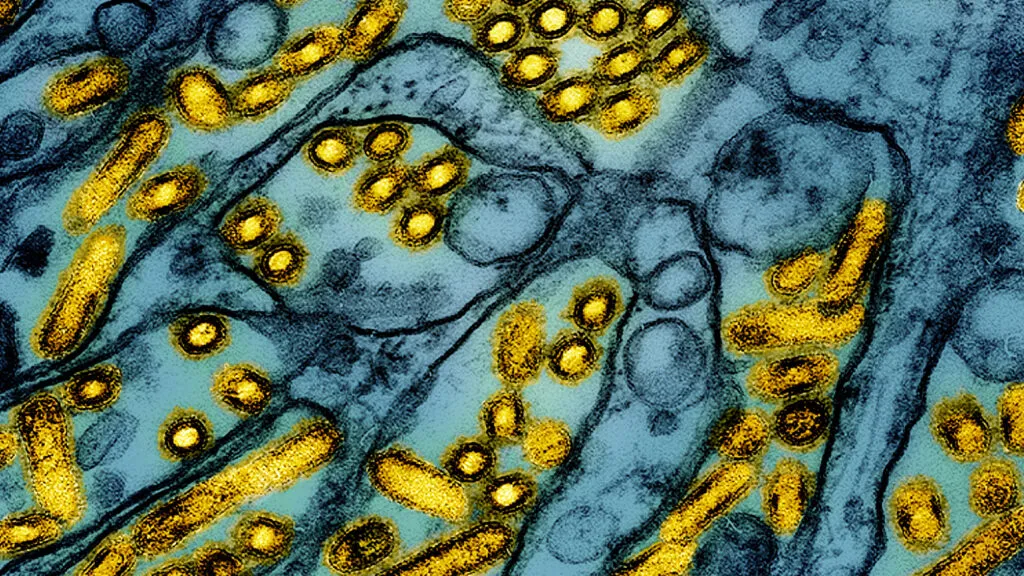 Photo: STAT
Key points
A Washington state resident died from H5N1 bird flu on 1 November, the first US avian influenza death of 2026.
A Yakima County, Washington, resident died on 1 November from complications of avian influenza after exposure to infected dairy cattle, marking the first US bird flu death of 2026. The individual, who had underlying health conditions, was hospitalized with severe illness, according to the Yakima Health District. The death is the third US fatality tied to bird flu since 2024. The first, announced in January 2025, was an elderly Louisiana resident infected with H5N1. The second, in November 2025, was a Grays Harbor County, Washington, resident who died from H5N5, a rarer strain.
First US death of 2026
The Yakima Health District confirmed the county's third human case of bird flu in the same statement. That person was also exposed to infected dairy cattle but has not experienced severe illness or required hospitalization. Since early October, 33 dairy herds in Yakima County have tested positive for highly pathogenic avian influenza, according to county officials. Washington confirmed its first detections of H5N1 in cattle on 8 October at two Yakima County dairies.
How the virus spread
All three human cases in the state have occurred since mid-October, each linked to exposure to infected cows. The Benton-Franklin Health District reported infected cows at a Benton County dairy on 26 October. The US Centers for Disease Control and Prevention (CDC) has recorded 72 human cases of bird flu across the country since 2024. Of those, 41 involved exposure to dairy herds, 24 involved poultry farms and culling operations, 3 involved other animal exposures, and 3 had no identified source, according to agency data.
The CDC analyzed the genetic sequence of the virus from the person who died and found no changes that would make it spread more easily or cause more severe illness, a CDC spokesperson said on 2 November. The agency maintains there is no known person-to-person spread and the risk to the general public remains low.
What officials are doing
Health officials are working with public health partners to identify and contact individuals who may have been in close contact with the person who died to monitor for symptoms. They stress that people at greater risk include dairy workers and others with close or prolonged contact with infected animals. Officials also caution against consuming unpasteurized milk and dairy products from cows or goats, which can carry a risk of avian influenza. The Yakima Health District, in coordination with the Washington state department of health, is monitoring human cases in the county.
The death follows warnings from experts about gaps in surveillance and worker protection as attention shifted away from H5N1. Saskia V. Popescu, PhD, MPH, MA, CIC, wrote in an August 2026 analysis for Contagion that reaching farmworkers, many of whom fear engaging with outside officials, remains difficult. The Yakima Health District offered condolences to the individual's family and friends. County officials said the risk of avian influenza infection to the general public remains low, but urged people who have contact with sick or dead birds to take precautions, including wearing respiratory and eye protection and gloves when handling poultry.
Frequently asked questions
What was the first US bird flu death of 2026?
A Yakima County, Washington, resident died on 1 November from complications of avian influenza after exposure to infected dairy cattle. The individual had underlying health conditions and was hospitalized with severe illness.
How many human bird flu cases have been reported in the US?
The CDC has recorded 72 human cases of bird flu across the country since 2024. Of those, 41 involved exposure to dairy herds, 24 involved poultry farms, 3 involved other animal exposures, and 3 had no identified source.
Is there person-to-person spread of bird flu in the US?
No. The CDC says there is no known person-to-person spread, and the risk to the general public remains low. Human-to-human transmission is extremely rare and has never been documented in the United States.