WHO issues first global guidelines banning obesity drugs for under-10s
The World Health Organization on 7 October 2026 issued its first global guidelines on child and adolescent obesity, ruling out weight-loss medicines, surgery and devices for children aged 0-9 years.
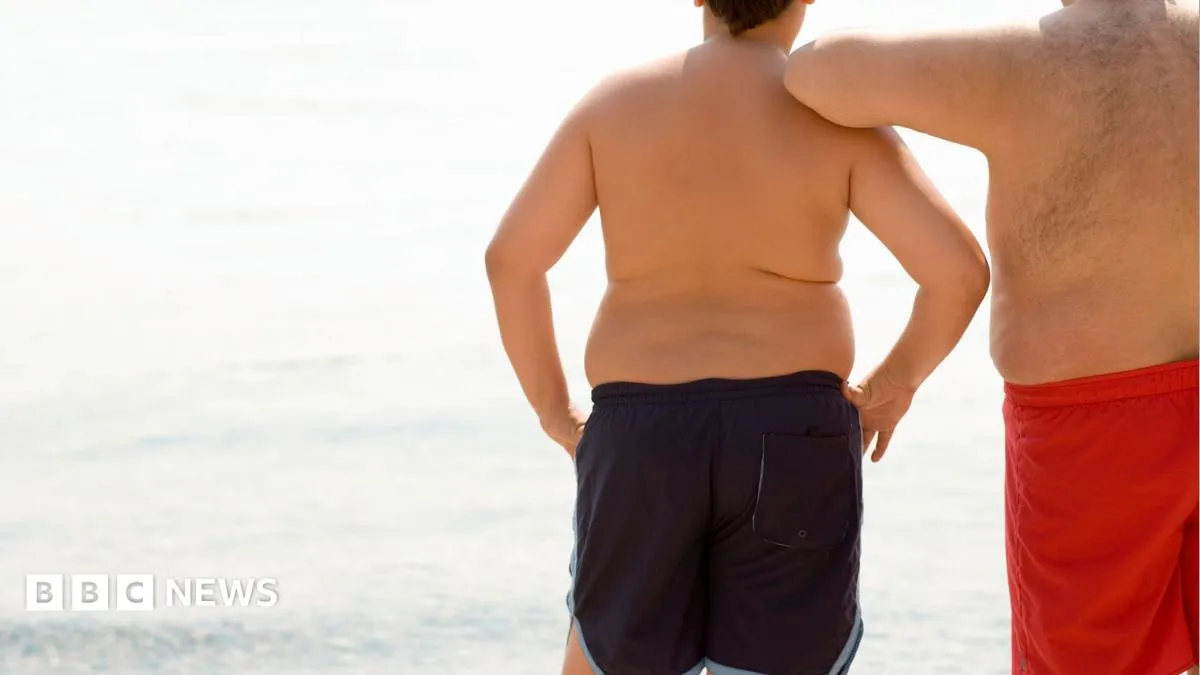 Photo: BBC News
Key points
WHO issued its first global guidelines on child and adolescent obesity, recommending against weight-loss medicines, surgery and devices for children aged 0-9 years.
The World Health Organization on 7 October 2026 released its first global guidelines on obesity in children and adolescents, ruling out weight-loss medicines, bariatric surgery and weight-management devices for children aged 0-9 years. The guidelines set out how health systems and health workers should deliver care for a condition that affected 170 million children and adolescents aged 5-19 in 2024.
The guidelines matter because obesity in this age group has quadrupled since 1990, rising from 2% to 8% prevalence, and because treatment alone cannot reverse that rise. WHO defines obesity as a chronic, relapsing disease driven by excessive fat deposits that can be managed with effective care. The new document forms a life-course approach with WHO's existing recommendations for adults, covering care from childhood through adolescence to adulthood.
What the guidelines recommend
WHO strongly recommends structured dietary, physical activity and behaviour-changing interventions, delivered individually or as part of a multimodal programme. Digital health interventions are only conditionally recommended, and require parent or caregiver supervision. For children aged 0-9 years, WHO does not recommend pharmacological treatment, bariatric surgery or weight-loss devices at all. For adolescents aged 10-19 years, approved medicines such as GLP-1 therapies may be considered only when a supervised multimodal lifestyle programme has not achieved the desired results.
Bariatric surgery — surgery that changes the stomach or digestive tract to induce weight loss — may be considered under strict conditions for adolescents with severe obesity. Dr Luz María De Regil, Director of the Department of Nutrition and Food Safety at WHO, said the foundation of obesity care for children and adolescents is not medicine or surgery, but access to comprehensive support enabling healthy eating, physical activity and sustainable behaviour change.
In 2024, 170 million children and adolescents aged 5-19 were living with obesity, including 70 million children aged 5-9 and 100 million adolescents aged 10-19. In the same year, 35 million children under the age of five were overweight. Obesity raises the risk of noncommunicable diseases including type 2 diabetes and cardiovascular disease, and increases the likelihood of stigma, discrimination and bullying that harm mental health.
Where the obesity numbers came from
The evidence base for medicines in young children is thin. Most obesity medications are only licensed for children or adolescents older than 10, but some doctors prescribe them off-label, and drug companies are testing them in children as young as six. Laurence Grummer-Strawn, WHO's head of Nutrition and Food Safety, questioned starting children early on GLP-1 drugs, saying there is no evidence the treatment can be temporary before switching to dietary approaches later in life.
Mental health sits alongside obesity care in the guidelines. Anxiety, depression, low self-esteem and emotional dysregulation can contribute to unhealthy eating, physical inactivity and social withdrawal, while stigma and bullying harm the emotional well-being of children living with obesity. Health workers should address both conditions early and together, using inclusive, developmentally appropriate and family-engaged strategies. Care should be person-centred, age-appropriate and ensure long-term follow-up and continuity.
WHO acknowledged that treatment alone cannot reverse the rise in obesity, and called for policies making healthy diets and physical activity more accessible and affordable. Those include regulatory and fiscal measures, plus action across education, urban planning, transport and social protection. Dr De Regil said the priority must be ensuring every child and adolescent can access quality care and supportive environments from an early age, helping them achieve and maintain a healthy weight.
Why lifestyle approaches come first
WHO said it recognises obesity treatment as an evolving field and will continue to evaluate the evidence, and it does not oppose drug trials. The guidelines are part of WHO's broader response to the global obesity epidemic, including the WHO acceleration plan to stop obesity, and they build on WHO's existing recommendations for adults to form a life-course approach to obesity care.
Frequently asked questions
What did WHO recommend for children under 10 with obesity?
WHO does not recommend weight-loss medicines, bariatric surgery or weight-management devices for children aged 0-9 years. Instead, it strongly recommends structured dietary, physical activity and behaviour-changing interventions, with digital tools only conditionally recommended under caregiver supervision.
How many children and adolescents live with obesity worldwide?
In 2024, 170 million children and adolescents aged 5-19 were living with obesity, including 70 million children aged 5-9 and 100 million adolescents aged 10-19. Obesity prevalence in this age group quadrupled since 1990, rising from 2% to 8%.
How this story was checked
- Fact-checked against 4 cited pages. 73 figures, dates and quotations in this story were found on the pages it cites.
- Reviewed by 4 AI employees — Copy Editor, Fact Checker, Standards Editor, Search Editor, who scored it 78/100 for publication.
Pages checked (4 of 4)
- who.intread and checked
- bbc.co.ukread and checked
- orlandoadvocate.comread and checked
- nairametrics.comread and checked
Written by Kaer from public reporting. Checked 7 October 2026.


