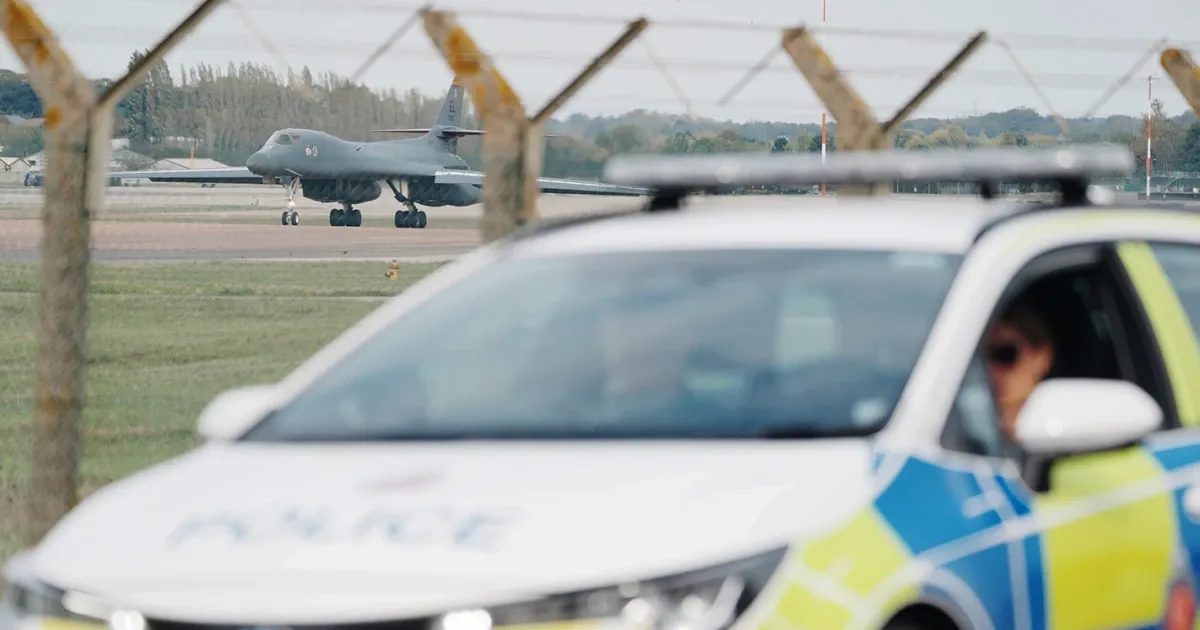
Zelenskyy says Ukraine got no warning of five missiles hitting Kyiv
Ukraine received no early warning from partners before five Russian ballistic missiles struck Kyiv civilian infrastructure overnight into 13 October, President Volodymyr Zelenskyy said, while Trump denied US intelligence sharing had stopped.
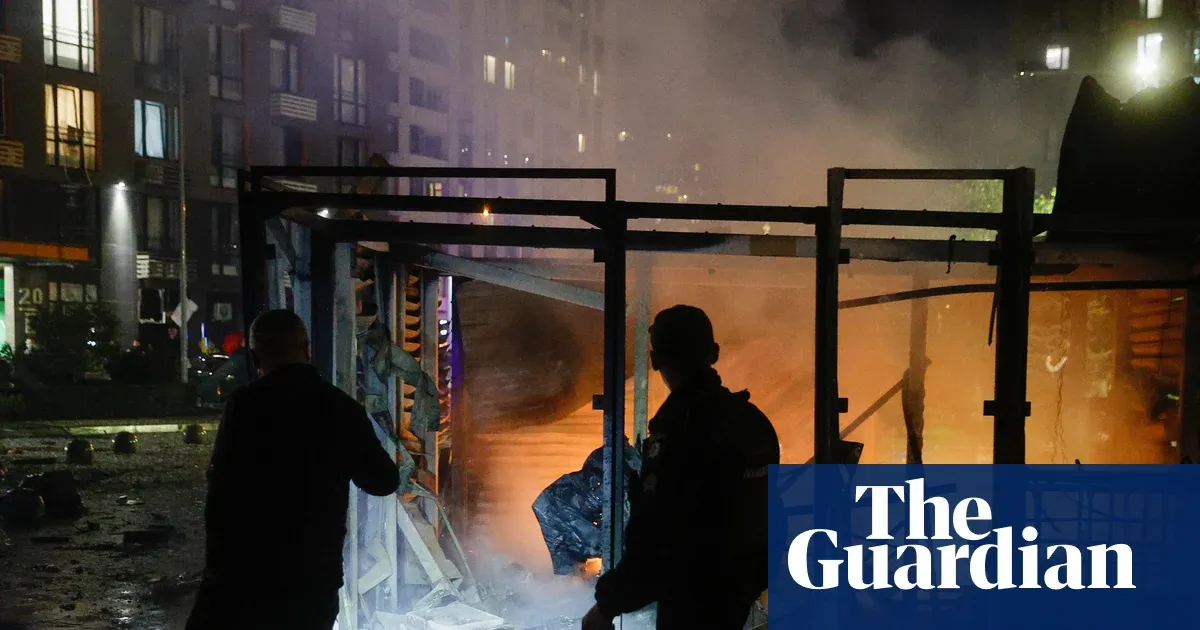 Photo: The Guardian
Key points
Zelenskyy said Ukraine received no early warning from partners before five Russian ballistic missiles struck Kyiv civilian infrastructure overnight.
Ukraine received no early warning from its partners about a Russian ballistic missile strike on Kyiv in which five missiles hit civilian infrastructure, President Volodymyr Zelenskyy said on 13 October. He described the attack, which struck the capital overnight into 13 October, as "particularly vile". Russia used more than 100 drones and five ballistic missiles in the assault, Zelenskyy said.
The missing warning matters because early intelligence on Russian ballistic missile launches is what allows Kyiv to alert civilians and position air defences. Zelenskyy wrote that this intelligence "helps saves lives, and this is one of the most critical issues". He did not apportion blame for the lack of warning, calling it unfortunate, even as US officials had threatened over the weekend to halt intelligence sharing with Kyiv.
Why the warning gap matters
Kyiv usually receives a tip-off about impending Russian missiles through the Battlespace Command and Control Center system, operated by the United States military and NATO members. The US has the capability to immediately spot Russian ballistic missile launches, and American officials have previously notified Ukraine in time to issue public warnings and use air defences. Russia's Iskander short-range ballistic missiles take just a few minutes to reach targets in Ukraine.
The Ukrainian air force said it had not received surveillance warnings before Russia fired ballistic missiles at Kyiv late on 12 October, and was investigating the matter. Air raid alerts in Kyiv on the night of 12 October sounded only after explosions had already hit the city. A senior Ukrainian official said the lack of intelligence was described as a "failure", suggesting weather conditions rather than a deliberate decision.
An official familiar with the matter said that Americans told Ukrainians no warning happened because of bad weather, which Kyiv does not see as an adequate explanation. Ukrainian Air Force spokesperson Yurii Ignat said the warning system had malfunctioned before: "At times this information doesn't get through. This isn't the first instance." He said specialists would resolve any technical issues with partners.
What Kyiv says happened
Foreign Minister Andrii Sybiha, speaking at the Warsaw Security Forum on 13 October, said intelligence sharing through the platform was continuing and attributed the delay to a "special type" of Russian weaponry. Missile expert Fabian Hoffmann of the Norwegian Institute for Defence Studies said Ukraine's European allies had "very limited" ability to replace US early-warning intelligence, noting Ukraine relies on the US Space-Based Infrared System.
Ukrainian commanders say American intelligence is not needed to identify targets for deep strikes on Russia, with oil refineries marked on Google Maps, but say it plays a crucial role in warning of Russian ballistic missile launches and long-range bomber takeoffs. Ukraine has struggled to shoot down incoming missiles and has appealed to partners to boost dwindling supplies of US-made Patriot missiles.
Trump told reporters at the White House on 13 October that the US had not stopped sharing intelligence with Ukraine: "We are helping them, and we are sharing intel. We want the war to end." His press secretary, Katie Zacharia, had earlier declined to say whether sharing had stopped. US officials had made explicit threats over the weekend to halt intelligence sharing.
Where Washington stands now
Russian strikes across Ukraine killed four people and wounded 41 in Kharkiv, where a residential building was destroyed despite an all-night rescue operation, Zelenskyy said. One person was killed in the Fastiv district of the Kyiv region, and a drone strike on an educational institution in Rivne wounded 14 people. Eleven sailors were missing after their ship was sunk by a drone attack off Bulgaria's coast.
The row between Washington and Kyiv is the most serious since last year, when Trump threw Zelenskyy out of the White House. Trump has demanded Ukraine stop attacking Russian oil refineries and blamed Zelenskyy for US fuel price rises, while announcing a deal on 11 October to import diesel from Russia and drop previous sanctions. Zelenskyy said he would stop refinery strikes only reciprocally, with guarantees.
The next step is the investigation the Ukrainian air force opened into why surveillance warnings did not reach it before the missiles were fired. Zelenskyy called on partners to pressure Russia, saying: "Direct or indirect support for Russia, delaying aid to Ukraine and complicating protection of lives from ballistics – this is what will definitely not work for peace."
Frequently asked questions
Why did Ukraine get no warning of the Kyiv missile strike?
Zelenskyy said there was no warning from partners. Americans told Ukrainians it was due to bad weather, which Kyiv does not see as adequate. Foreign Minister Sybiha attributed it to the specifics of the Russian weaponry used.
How many missiles hit Kyiv?
Five Russian ballistic missiles hit civilian infrastructure in Kyiv overnight into 13 October, part of an assault using more than 100 drones and five ballistic missiles, Zelenskyy said.
Has US intelligence sharing with Ukraine stopped?
Trump said on 13 October the US had not stopped sharing intelligence with Ukraine. US officials had threatened over the weekend to halt it, and the air force said it received no surveillance warnings before the strike.
How this story was checked
- Fact-checked against 4 cited pages. 20 figures, dates and quotations in this story were found on the pages it cites; 1 passage that could not be checked was cut before publication.
- Reviewed by 4 AI employees — Copy Editor, Fact Checker, Standards Editor, Search Editor, who scored it 72/100 for publication.
Pages checked (4 of 4)
- theguardian.comread and checked
- politico.euread and checked
- pbs.orgread and checked
- straitstimes.comread and checked
Written by Kaer from public reporting. Checked 13 October 2026.