American Cancer Society urges routine PSA screening for men aged 50-69
The American Cancer Society on 12 November urged routine PSA testing every two years for average-risk men aged 50-69, a major shift from 2010 advice.
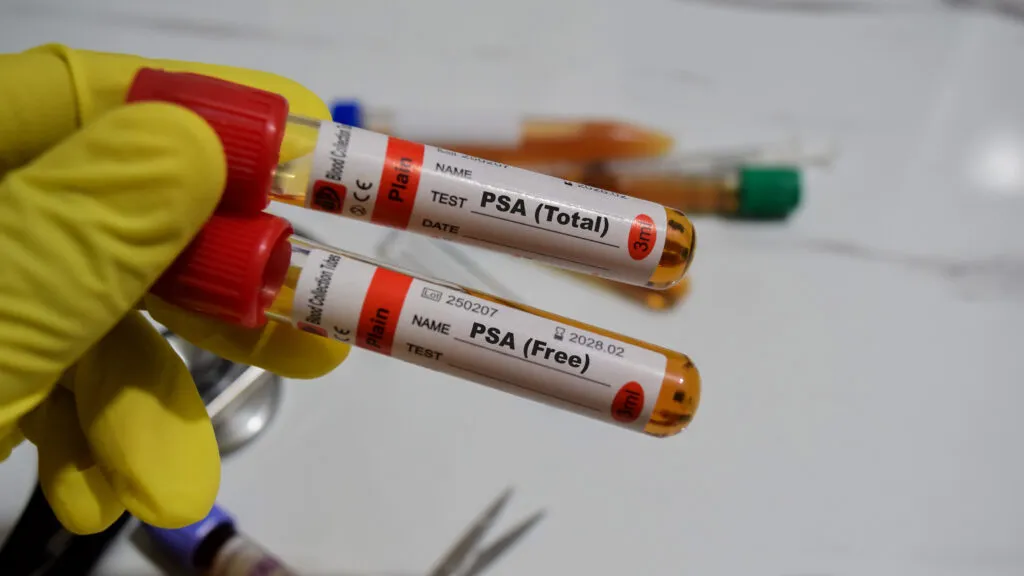 Photo: STAT
Key points
The American Cancer Society now recommends routine PSA screening every two years for average-risk men aged 50-69, a major change from 2010 guidance.
The American Cancer Society on 12 November urged routine prostate cancer screening for middle-aged men, a major change to its guidelines. The new advice says men at average risk should receive a PSA blood test every two years between the ages of 50 and 69. Men at high risk, including Black men and those with a strong family history, should get yearly PSA checks starting at age 45.
The update marks a shift in thinking about routine blood tests for PSA, or prostate-specific antigen. Since 2010, the cancer society had recommended that men at average risk talk with their doctors about whether and how often to get PSA tests. The new guidance instead instructs men to get screened, a change NBC News medical contributor Dr. Akshay Syal called a "pretty significant shift" — the first guideline change in more than 16 years.
What the guidelines change
The change comes after advances in understanding how regular PSA testing can help catch prostate cancer before it spreads, as well as how to reduce potential harms from screening, according to the cancer society. That includes steps such as repeating a PSA test to be sure it's really high or adding an MRI scan to help identify who needs a biopsy, as well as monitoring rather than aggressively treating low-risk tumors.
Prostate cancer is highly survivable if caught early, but widespread PSA testing in the past was blamed for overtreatment of slow-growing tumors and unnecessary follow-up testing in men who turned out not to have cancer. The new guidelines aim to balance early detection with avoiding harm, emphasizing that a high PSA level might signal a tumor but also could be from a benign enlarged prostate or a temporary spike from vigorous exercise.
Black men have a 67% higher incidence of prostate cancer and almost double the mortality rate compared to white men, "an inequity that needs immediate reversal," said Dr. William Dahut, chief scientific officer at the American Cancer Society, in a statement. The guidelines place Black men in the high-risk category, recommending annual screenings beginning at age 45.
Who is at high risk
A strong family history means having one close relative — a father, brother or son — diagnosed with prostate cancer before age 65, or multiple close relatives diagnosed at any age, the cancer society says. Those men should get yearly PSA checks starting at 45. Men with just one close relative diagnosed after 65 should also start at 45 but can go two years between testing.
For older men, the balance of benefits and harms remains "uncertain," so those aged 70 to 74 should make a decision with their doctor on whether to be screened, the new guidelines note. Screening is not recommended for men who are 75 or older, though particularly healthy 75- to 79-year-olds may choose to continue. The cancer society discourages screening once men turn 80.
Prostate cancer is one of the most common cancers in men, with an estimated more than 333,000 new cases in the U.S. in 2026 and about 36,000 deaths, the cancer society estimates. One in eight men will be diagnosed during their lifetime, and it remains the second-leading cause of cancer death in men, after lung cancer. The chance of having prostate cancer "rises rapidly" after 50, the cancer society notes.
How screening works
The first step in screening is a blood test that measures the level of prostate-specific antigen, a protein made by the prostate. Abnormally high PSA levels may indicate a tumor, but secondary testing such as an MRI can determine who needs a biopsy and help avoid aggressive treatment of prostate cancers that aren't life-threatening, the guidelines note. "PSA testing remains the cornerstone of detecting prostate cancer early, and we now have stronger evidence of its benefits," said Dr. Robert Smith, director of the Center for Early Cancer Detection at the American Cancer Society, in a statement.
Dr. Ash Tewari, who leads the urology department at Mount Sinai's Icahn School of Medicine in New York, said the change will be especially helpful for primary care doctors. "This has taken ambiguity out of it. They are basically saying, 'Do it,'" Tewari said. "This guideline will only make things easier for men and hopefully it will have more grandfathers eating dinner with their family 10 years from now." The guidelines stress that a doctor-patient conversation about pros and cons is still needed.
Frequently asked questions
What are the new prostate cancer screening guidelines from the American Cancer Society?
The American Cancer Society on 12 November urged routine PSA testing every two years for average-risk men aged 50-69. High-risk men, including Black men and those with a strong family history, should get yearly PSA checks starting at age 45.
Why did the American Cancer Society change its prostate cancer screening advice?
The change comes after advances in understanding how regular PSA testing can help catch prostate cancer before it spreads, as well as how to reduce potential harms from screening, such as using MRI to avoid unnecessary biopsies and monitoring low-risk tumors.
Who is considered high risk for prostate cancer and should start screening at 45?
Black men and men with a strong family history of prostate cancer — one close relative diagnosed before age 65, or multiple close relatives at any age — are high risk. They should get yearly PSA checks starting at age 45.