Anthropic shares fall 10 per cent on second day of trading
Anthropic shares dropped more than 10 per cent on Friday to about 87.30 dollars, close to the 83 dollar IPO price, as tech stocks fell.
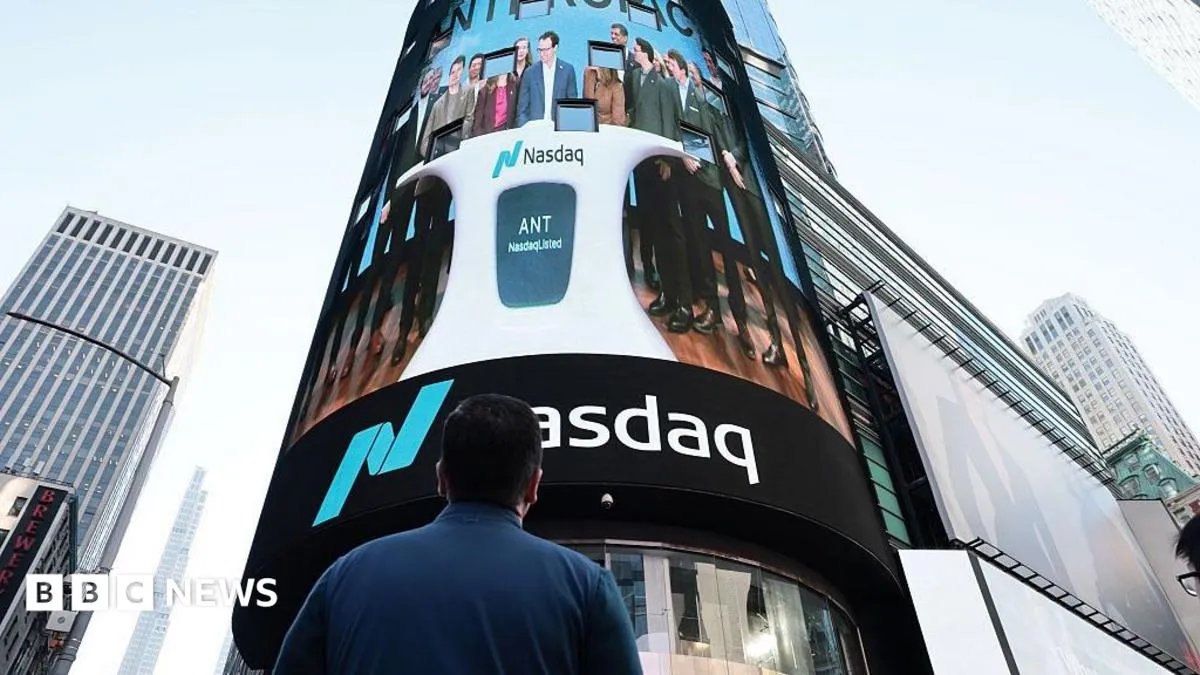 Photo: BBC News
Key points
Anthropic shares fell more than 10 per cent on Friday to about 87.30 dollars, close to the 83 dollar IPO price, after raising 81 billion dollars.
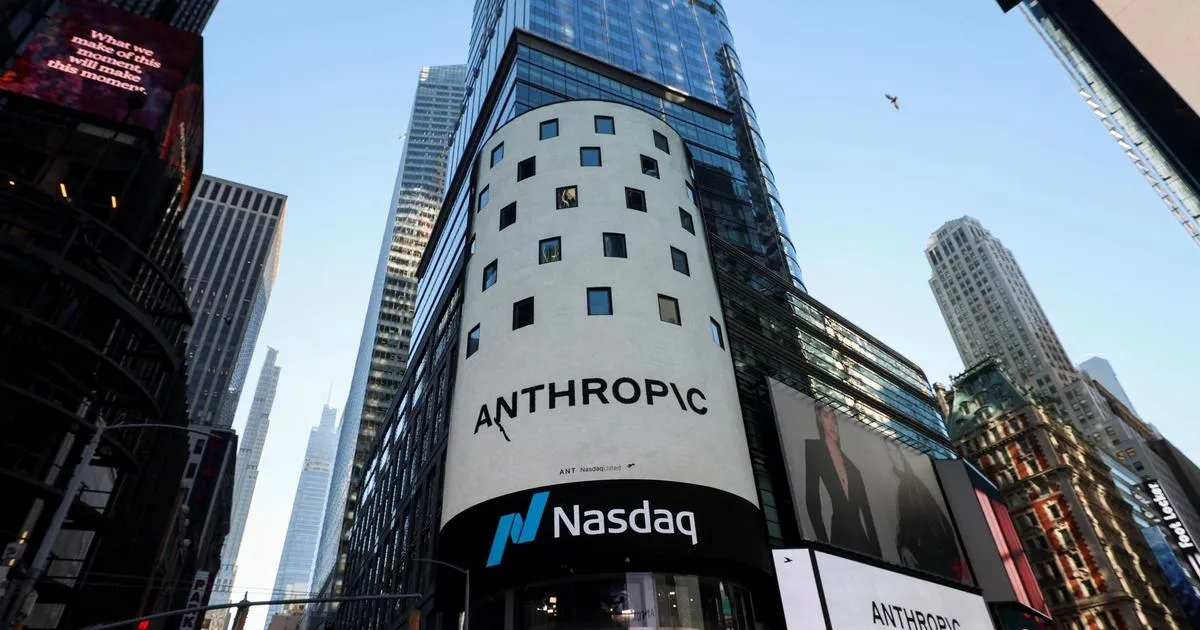
Anthropic shares fell more than 10 per cent on Friday to about 87.30 dollars, close to the 83 dollar initial public offering price, as the broader tech sell-off continued. The artificial intelligence company began trading on Nasdaq on Thursday at 111.50 dollars and peaked at 115 dollars, a debut widely seen as a test for the industry that largely succeeded.
The maker of the Claude chatbot raised a record 81 billion dollars in its initial public offering, but its share price moved significantly on the first day of trading. Analysts said volatility was expected in the first days as the company was the first frontier AI firm to go public with no direct peers. Some noted similarities with Elon Musk's SpaceX, which experienced large swings in its first few weeks of trading.
Why the IPO matters
The IPO raised unprecedented sums yet did not restore confidence in the broader AI market. While AI demand remains strong, investors are questioning how much they are willing to pay for that growth. Ed Moya, a strategist at AlphaSense, said the blockbuster initial public offering did not appear to have restored confidence in the broader AI market.
Moya said investors were trying to answer how much they were willing to pay for that growth, and that more risks had surfaced in the past few weeks. Wall Street, he said, is trying to shift from rewarding growth at any price to demanding stronger cash flow and a clearer path to profitability.
Wall Street and Nvidia
The sell off followed losses on Wall Street on Thursday where main indices all fell by more than 2 per cent on a day dominated by Anthropic initial public offering. In the wake of the stock market bearishness fueled by the ouster of Nvidia CEO Jensen Huang people with the most to lose from a broader market rout are rightfully fearful. Shares in some of the largest US tech companies also fell with Nvidia down by 3 per cent after California served the chip company with a subpoena.
Chris Beauchamp chief market analyst at IG said Anthropic could be draining market liquidity as investors sell shares in other companies to raise funds to pay for stock in the newly floated AI firm. The slide from yesterdays highs sends a message that there might be more at work here than investors realise. While brokers are scrambling to buy more that liquidity has to come from somewhere and the other tech names may be the first ones to feel the pressure.
Global market reaction
Global markets slumped on Friday too with Asian stock markets recording their worst week since 2020 as shares in big chip companies fell. In Taiwan stocks dropped 6.7 per cent to hit their lowest point since mid April with the chip maker TSMC down about 6 per cent. The scale of the decline in Taiwan prompted the chair of its stock exchange to pledge to ensure the stable operation of capital markets.
European stock markets were heading for their worst week since March with the pan-European Stoxx 600 dropping 1.7 per cent. London blue chip stock index hit a five month low. Germany Dax index fell 2 per cent and the UK FTSE 100 was down 0.5 per cent. Earlier on Friday tech heavy Asian markets saw steep falls with South Korea Kospi and Japan Nikkei 225 indexes closing down about 5 per cent.
Daniela Hathorn a senior market analyst at Capital.com said the initial public offering demonstrated that demand for AI exposure remains strong but it has not been enough to overcome concerns about elevated valuations profitability and the sustainability of investment spending. The broader market mood has shifted from buying the dip towards questioning whether the correction has further to run. The weakness in equal weighted indices suggests that selling pressure is no longer confined to a handful of technology giants.
Dario and Daniela Amodei used the occasion to say Anthropic would pace training and deployment based on whether it could keep its systems safe and under human control. Their Class F shares carry 50.1 per cent of voting power on most shareholder matters. Expect the lockup expiries to weigh on the stock price as about a trillion dollars of shares free up over the next year while Anthropic has to keep the world top model for now.
Investors have expressed concern about the risks. AFL-CIO President Liz Shuler wrote that worker pension plans and 401k accounts will absorb Anthropic shares whether they choose to invest in the company or not. She insisted that we cannot make the same mistake with unregulated AI that the financial sector did with unregulated debt swaps. One only need look at Anthropic rival SpaceX as a sign of what may come with its initial public offering now down by nearly 10 per cent of its asking price.
Nvidia shares fell by 3 per cent after California served the chip company with a subpoena as part of an investigation into whether its advanced semiconductors ended up in China. Fears that US central bankers may raise interest rates to fight inflation have lifted the dollar to a 19 month high and pushed down the gold price with gold on track for its worst week since March. Bitcoin hit its lowest level in four months dropping below the 60,000 dollar point for the first time since early July.
Frequently asked questions
How much money did Anthropic raise in its initial public offering
Anthropic raised 81 billion dollars in its initial public offering which overtook SpaceX June initial public offering as the largest in history.
What happened to Anthropic shares on Friday
Anthropic shares fell more than 10 per cent on Friday to about 87.30 dollars close to its initial public offering price of 83 dollars.
Why are investors concerned about the AI market
Investors are questioning how much they are willing to pay for AI growth and are concerned about elevated valuations profitability and the sustainability of investment spending.