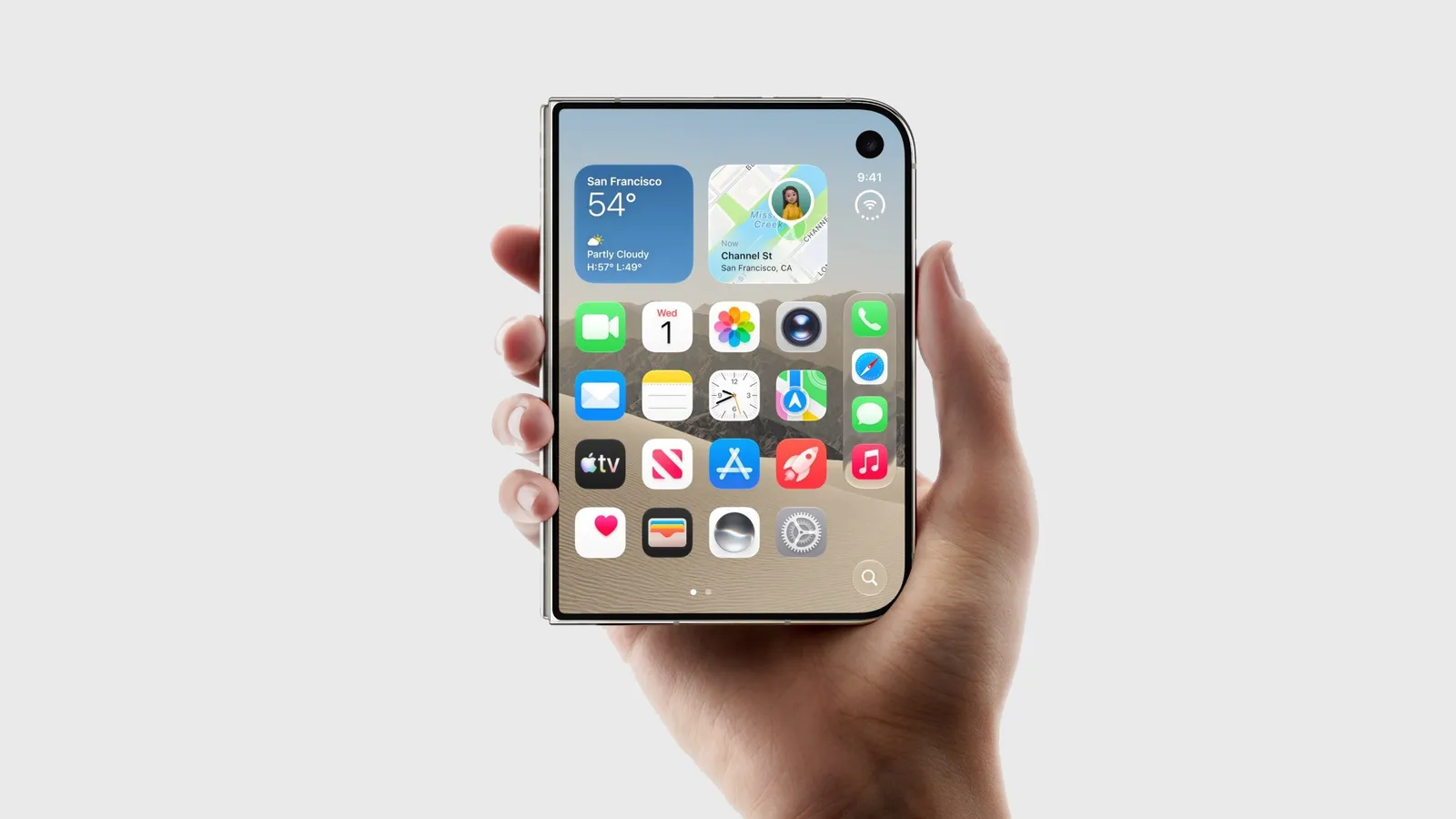
Apple explores Safari fix for cramped iPhone Duo outer display
Apple is exploring changes to let websites use more of the iPhone Duo's outer display, where Safari's side controls currently shrink content width, WebKit's Jen Simmons said on 23 October 2026.
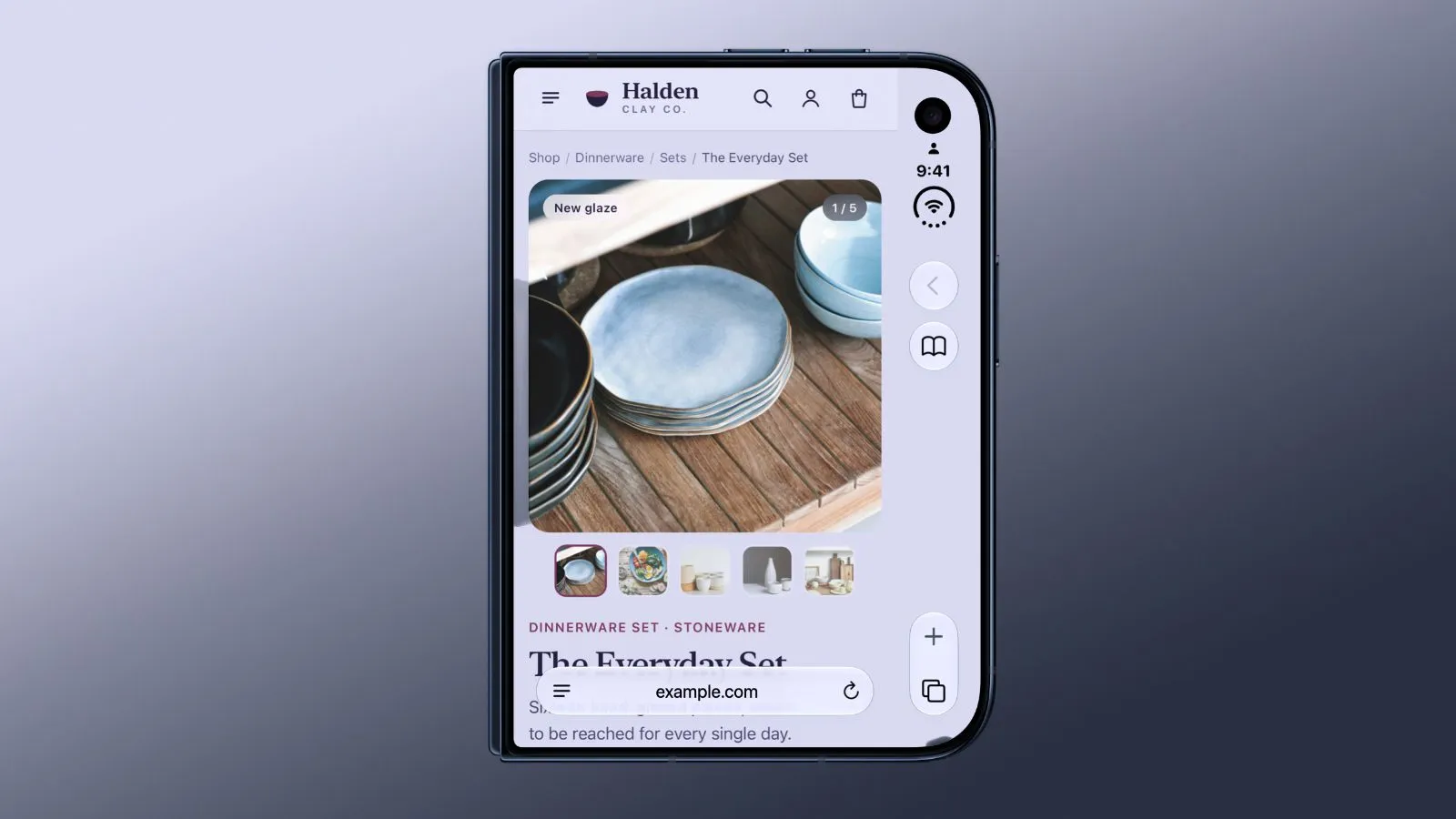 Photo: MacRumors
Key points
Apple is exploring a fix for Safari's cramped layout on the iPhone Duo's outer display, where side-mounted controls shrink the width available for web content.
Apple is considering changes to Safari on the iPhone Duo that would give websites access to more of the outer display, although the company has yet to settle on an approach. The iPhone Duo, Apple's first foldable iPhone, starts at $2,000, and its outer display measures 5.4 inches, according to a review published earlier in the week.
The change matters because Safari's right-aligned controls currently eat into the usable screen space on the outer display, leaving websites an unusually narrow area to show content. Apple's Jen Simmons acknowledged in a WebKit post on Friday, October 23, that websites cannot extend behind the controls on the device's outer display, and said Apple is exploring ways to address that limitation.
Why the outer display feels cramped
The challenge is allowing pages to occupy the area beneath Safari's side-mounted controls without making parts of a website inaccessible. Apple placed the controls along the side because the outer display is shorter and wider than other iPhone screens, a design choice that preserves more height for apps and webpages but reduces the width available for content.
An iPhone Duo review published earlier in the week singled out the problem. Chance Miller wrote that the awkwardness of the 5.4-inch outer display shows up in Safari, and that the web is not optimised for this form factor. He added that scrolling in Safari is better on the inner screen than on the outer display.
Simmons explained that an existing web setting could enable pages to expand into areas otherwise reserved, but Apple's research suggests many sites would not handle it correctly. That setting, viewport-fit="cover", requires developers to leave enough space around important content to prevent it being covered by the interface, and Simmons said many sites fail to make those allowances on every edge.
The existing setting and its limits
Apple is investigating whether another solution could offer developers more control with less risk of obscuring content. Simmons gave the example of a header's background spanning the full width of the display while its navigation links remain within the unobstructed portion. She invited developers to share ideas, saying Apple is looking for something more foolproof and perhaps easier to use.
For now, Safari 27.1 restricts webpages to the area beside the controls and uses the page's background colour to fill the remaining strip, which limits the width available for content on the outer display. The arrangement stems from the screen's proportions, since Apple chose side-mounted controls to preserve height for apps and webpages.
What Safari 27.1 already ships
Safari 27.1 also adds automatic two-page PDF viewing when the iPhone Duo is held partially folded like a book, returning the document to a single-page view when flattened or closed. Developers can test experimental support for detecting the screen's folding posture and positioning content around the device's middle fold, available behind Safari feature flags.
Simmons's WebKit post on Friday, October 23, invited developers to share feedback on how Apple could address the limitation, with the company weighing options that give designers more control without risking obscured content. The proposed change to content beneath the controls remains under investigation, and Apple has not committed to a timeline for shipping it.
No release date set
Developers are already building for the Duo's two displays. Netflix lets users scroll short-form clips on the outer screen and continue watching on the larger inner display, while apps like Deck-Man and TypeDraw use the folded form factor as part of their design. Apple has yet to settle on an approach for giving websites more of the outer display, and Simmons's post asked developers to send ideas as the company investigates a better method. No release date for a fix has been announced.
Frequently asked questions
Why is Safari cramped on the iPhone Duo's outer display?
Safari's right-aligned side controls take up a significant portion of the outer display's limited screen space, leaving websites an unusually narrow area for content. Apple placed controls along the side because the outer display is shorter and wider than other iPhone screens, preserving height for apps and webpages.
What fix is Apple exploring for Safari on the iPhone Duo?
Apple is investigating ways to let websites extend beneath Safari's side-mounted controls without obscuring content. One example Jen Simmons gave is a header background spanning the full display width while navigation links stay in the unobstructed portion. Apple has not settled on an approach.
Could Apple just use the viewport-fit="cover" setting?
That existing setting allows webpages to expand into reserved areas, but Apple's research suggests many sites would not handle it correctly, leaving important content obscured, because developers must leave space around content on every edge and many fail to do so.